
Size
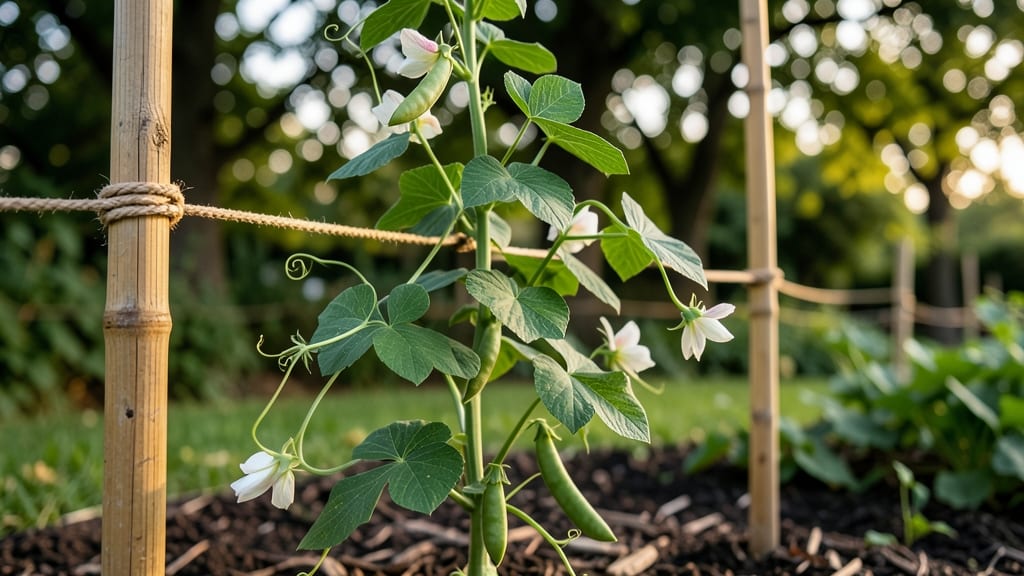
How tall do garden peas grow? They range anywhere from 1 foot to a towering 6 feet, depending on the variety you choose—and that height makes all the difference in how you plan your garden.
Picture this: You’ve just planted your seeds, only to realize your backyard fence isn’t tall enough for those climbing vines. Or worse, your dwarf varieties sprawl everywhere, crowding out other plants. Knowing the height ranges upfront saves you from last-minute scrambling for trellises or regretting your spacing.
Most gardeners start with bush varieties like ‘Little Marvel,’ which stay compact at 2-3 feet, perfect for small spaces or containers. On the other end, pole peas like ‘Sugar Snap’ can reach 6-8 feet, demanding sturdy support to keep those sweet pods off the ground.
The right choice depends on your garden’s layout, sunlight, and even wind conditions.
Below, I’ll break down the height ranges by variety, how to support tall vines without overcrowding, and the simple tricks to maximize your harvest—no tangled messes here. Let’s get growing!


Garden pea height ranges by variety: dwarf vs pole vs semi-dwarf types
When planning your garden, understanding garden pea height ranges helps you choose the right varieties for your space. Peas come in three main types: dwarf (bush), semi-dwarf, and pole (climbing) varieties, each with distinct growth habits that impact trellising, spacing, and yield.
Whether you're working with a small balcony container or a sprawling backyard plot, selecting the right height variety ensures healthy plants and easy harvesting.
Dwarf varieties typically stay between 1-3 feet tall and don't require trellises, making them ideal for small gardens or containers. Semi-dwarf types reach 3-4 feet and benefit from light support, while pole varieties can climb 6-8 feet on trellises, maximizing vertical space in compact gardens.
The variety you choose directly affects your garden layout, trellising needs, and even companion planting strategies.
Visualizing these differences helps with planning. Below is a summary of common varieties and their mature heights, along with key growing tips to optimize your garden layout.
| Variety | Type | Height Range | Trellis Needed? | Spacing |
|---|---|---|---|---|
| Little Marvel | Dwarf | 2-3 ft | No | 2-3 inches apart |
| Tom Thumb | Dwarf | 1-2 ft | No | 1-2 inches apart |
| Sugar Ann | Semi-Dwarf | 3-4 ft | Light support | 3-4 inches apart |
| Oregon Sugar Pod | Semi-Dwarf | 3-5 ft | Light support | 3-4 inches apart |
| Sugar Snap | Pole | 6-8 ft | Yes (trellis) | 4-6 inches apart |
| Wando | Pole | 5-7 ft | Yes (trellis) | 4-5 inches apart |
| Green Arrow | Pole | 6-8 ft | Yes (trellis) | 4-6 inches apart |
For dwarf varieties, like 'Little Marvel' or 'Tom Thumb,' you can skip trellises entirely. These compact plants thrive in containers or small garden beds, making them perfect for urban gardeners or those with limited space.
Their 2-3 foot height also means they’re less likely to topple in windy conditions, though providing some support (like a small cage) can still improve airflow and reduce disease risk.
Semi-dwarf varieties, such as 'Sugar Ann' or 'Oregon Sugar Pod,' bridge the gap between bush and pole types. They reach 3-4 feet tall and benefit from light trellis support, like a simple wire frame or stakes.
This support helps keep pods off the ground, reducing soil-borne diseases and making harvests easier. Place these varieties near fences or along garden edges where they can lean against structures naturally.
Pole varieties like 'Sugar Snap' and 'Green Arrow' are the tallest, often climbing 6-8 feet if given proper trellising. These varieties are ideal for maximizing vertical space in small gardens, but they require sturdy trellises—think bamboo poles, metal cages, or strong netting.
Without support, their vines sprawl, leading to tangled growth and reduced yields. Plan for 4-6 inches of spacing between plants to allow airflow and prevent overcrowding.
When designing your garden layout, consider how pea height affects sunlight exposure. Taller varieties may cast shadows on shorter plants, so place them strategically. For example, position pole peas along the north side of your garden (in the Northern Hemisphere) to avoid shading sun-loving companions like carrots or lettuce.
In containers, dwarf varieties work best, while semi-dwarf types can thrive in large pots with trellis support.
Another key factor is wind resistance. Tall pole varieties can topple in strong winds, so stake them early or use a windbreak. If you're in a breezy area, opt for shorter varieties or provide extra support with wider trellis bases.
Even dwarf varieties benefit from a bit of protection in exposed locations, as their delicate stems can break under heavy rain or wind.
Finally, think about harvesting ease. Taller varieties require ladders or step stools, which may not be practical for everyone. If you prefer bending over to pick peas, dwarf or semi-dwarf types are more manageable. For high yields without the hassle, pole varieties are unbeatable—but only if
How to choose pea varieties based on your garden space and growing conditions
Selecting the right pea variety starts with understanding your garden's space constraints and microclimate challenges. For example, wind-prone areas demand shorter varieties that won't snap under pressure, while sunny urban balconies benefit from compact, container-friendly types.
Let's explore how to match your growing conditions with the perfect pea height for maximum yield and ease of care.
Your garden's vertical potential plays a crucial role in variety selection. If you're working with limited height—like a 3-foot fence or patio container—opt for bush varieties that stay under 2 feet tall.
These space-saving options thrive without trellising, making them ideal for small plots or beginner gardeners who prefer low-maintenance crops.
Pea Variety Height Comparison
Short Varieties (1-3 ft)
- Little Marvel - Compact bush type, great for containers
- Tom Thumb - Dwarf variety, ideal for small gardens
- Sugar Sprint - Semi-bush, 2-3 ft tall with moderate trellis needs
✅ Perfect for small spaces, windy areas, and container gardening
Tall Varieties (4-8 ft)
- Sugar Snap - Classic climbing type, needs 6-8 ft support
- Oregon Sugar Pod - Vigorous climber, 6-7 ft tall
- Wando - Disease-resistant pole type, 5-6 ft
⚠️ Requires strong trellises, protected locations, and regular pruning
Consider your local climate when choosing varieties. In cooler regions with shorter growing seasons, opt for fast-maturing dwarf varieties like 'Green Arrow' that reach maturity in just 55 days.
These early producers give you a head start before summer heat arrives. Meanwhile, warmer climates can handle taller varieties if you provide afternoon shade during peak heat.
For container gardening, prioritize varieties that stay under 2 feet tall. The 'Mascotte' variety, for example, produces sweet pods on a compact 18-inch plant perfect for 5-gallon buckets. Always leave at least 6 inches of space between plants in containers to prevent root competition and ensure proper air circulation.
Use lightweight potting mix with added compost to support healthy growth in limited space.
When planning your companion planting strategy, taller pea varieties make excellent living trellises for climbing plants like cucumbers or beans. The 'Telephone' variety, reaching 6 feet tall, can support lightweight vining plants while fixing nitrogen in the soil.
In small garden beds, interplant dwarf peas with radishes or lettuce—the peas' vertical growth won't compete with the shallow-rooted companions.
Remember that trellis height should match your variety's mature size. Install supports at least 2-3 feet taller than your tallest pea variety to accommodate their natural growth patterns. For example, a 6-foot pea vine needs an 8-foot trellis to prevent overcrowding and ensure proper pod development.
In windy areas, use sturdy metal cages or heavy-duty netting to provide additional support and protection.