
Tools
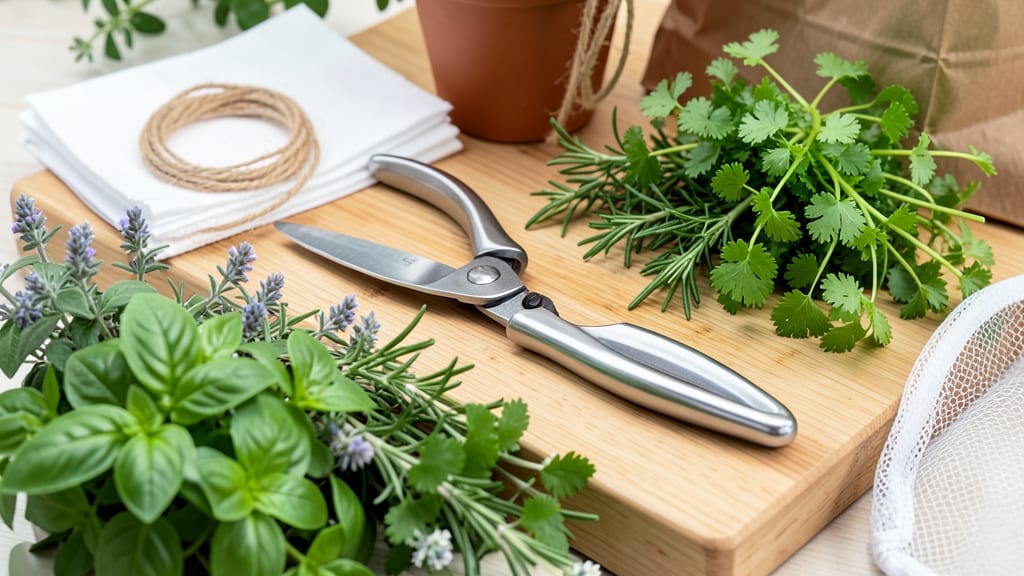
To dry fresh herbs from the garden, bundle stems and hang upside down in a dry, dark, well-ventilated space for 1-2 weeks. Alternatively, spread leaves on a screen or paper towel, then store in airtight containers once fully crisp. Avoid moisture to prevent mold and preserve flavor.
Drying herbs at home lets you capture their peak flavor straight from your garden. 🌿 The key is creating the right conditions—low humidity, good airflow, and patience. I’ve found that herbs like thyme and oregano dry faster than basil or mint, so adjust your timeline based on the plant.
For best results, harvest just before flowering when essential oils are most concentrated, then process within hours to lock in freshness.
Once dried, proper storage is critical. Glass jars with tight seals work best for long-term preservation, while paper bags help maintain natural oils longer than plastic. Always crush dried herbs right before use to release their aromatic compounds—this makes a huge difference in flavor compared to using whole dried leaves.
💡 In This Article
- Best Drying Methods for Preserving Herb Flavor and Potency
- Storage Tips to Extend Fresh Herb Shelf Life After Drying
Best drying methods for preserving herb flavor and potency
When drying herbs, the method you choose directly impacts how well their essential oils and flavors survive. Air-drying is the traditional approach because it mimics natural conditions—low humidity (40% or less) and gentle airflow prevent moisture from lingering in the leaves.
This method works best for hardy herbs like rosemary, thyme, and sage, which can take 2-3 weeks to fully dry while retaining up to 90% of their volatile oils.
The key is bundling stems with twine and hanging them upside down in a dark, well-ventilated space, like a pantry or basement.
Screen-drying speeds up the process by exposing leaves to more direct airflow, reducing drying time to 3-5 days. Spread leaves in a single layer on a mesh screen or clean kitchen towel, then cover lightly with another screen to protect from dust.
This method works well for delicate herbs like basil or cilantro, but requires daily checks to prevent over-drying, which can turn leaves brittle and lose flavor. The trade-off? You sacrifice some essential oil retention compared to air-drying, but gain convenience and faster results.
Oven-drying is the fastest option but requires careful temperature control to avoid scorching. Set your oven to its lowest setting (95-115°F) and prop the door open slightly to allow moisture to escape.
Spread herbs on a baking sheet lined with parchment paper and dry for 1-2 hours, stirring occasionally. This method preserves about 70-80% of essential oils if done correctly, but one wrong move—like cranking the heat—can turn your herbs into bitter, flavorless dust. 🔥
Humidity is the silent enemy of herb drying. Even slight moisture (above 50%) encourages mold growth, which ruins both flavor and potency. Use a small fan near your drying herbs to maintain airflow, and avoid drying during rainy seasons when humidity naturally spikes.
For herbs like mint or dill, which wilt quickly, consider using a dehydrator set to 95°F—it offers precise control and consistent results without risking heat damage.
Not all herbs dry at the same rate. Leafy herbs like parsley and cilantro dry in 3-5 days, while woody stems (like rosemary) take 2-3 weeks. The rule of thumb? Herbs are ready when leaves crumble easily between your fingers and stems snap cleanly.
Test a few leaves first—if they still feel damp or smell fresh, they need more time. Once fully dried, remove leaves from stems and store immediately to prevent reabsorption of moisture from the air.
Pro tip: For maximum flavor, harvest herbs in the morning after dew has dried but before the sun intensifies. This timing captures the highest concentration of essential oils, which peak early in the day. Avoid harvesting after rain or when plants are flowering, as both conditions dilute potency. 💫