
Picking
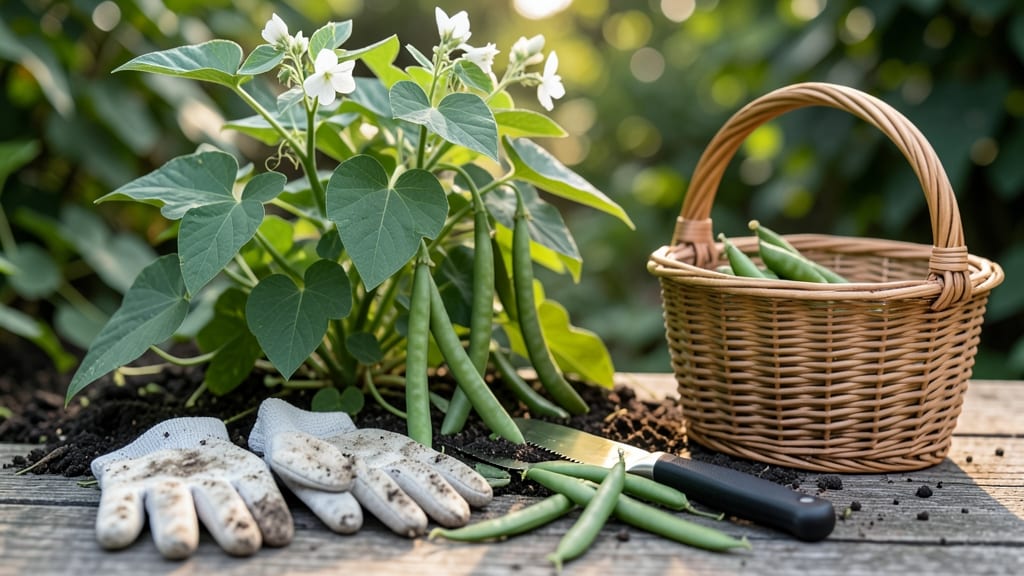
To pick beans from your garden at the perfect moment means capturing peak flavor and texture before they turn tough or stringy—something even experienced gardeners sometimes get wrong.
Imagine biting into a crisp, sweet pod one day, then the next, finding a leathery mess that’s lost all its charm. That’s the difference between a well-timed harvest and one you’ll regret.
The key lies in watching for subtle changes in pod size, color, and firmness, not just guessing by calendar dates.
Green beans 🌱 thrive in USDA Zone 6a from July through September, but the real magic happens in the morning hours after dew has dried. That’s when pods are at their freshest and most tender—ready to be snapped into salads or sautéed for dinner.
Miss that window, and you’ll end up with beans that taste more like rubber than the garden-fresh delight you planted for.
In this guide, I’ll walk you through the exact visual cues to look for, how to test for tenderness, and even how to extend your harvest season for weeks of continuous yields. No more guesswork—just crisp, flavorful beans every time.
Signs your garden beans are ready for harvest: visual and physical cues
Knowing when to pick beans from your garden is an art that balances science with observation. The right timing ensures crisp, sweet pods packed with flavor, while waiting too long turns them into tough, stringy disappointments.
For me, the secret lies in understanding 7 key visual and physical cues that signal perfect harvest readiness. These indicators work for both green beans and wax beans, though their ideal characteristics differ slightly.
First, let's talk about pod size, which is your most reliable early indicator. Most varieties reach harvest maturity when pods measure between 4 to 6 inches for green beans and 5 to 7 inches for wax beans.
This length ensures the pods have developed enough to be flavorful but haven't started converting their energy into seed production. I always measure a few pods from each plant to account for natural variations in growth rates.
Next, pay attention to pod color, which serves as a color-coded maturity signal. Bright, uniform green pods indicate peak ripeness for green beans, while wax beans should display a creamy yellow or pale gold hue.
Any dullness or uneven coloring suggests the pods are either underripe or overripe. I've found that morning light enhances these colors, making them easier to assess right after dew has dried.
| Bean Type | Pod Size | Pod Color | Seed Stage | Texture Test | Best Harvest Window | Flavor Impact |
|---|---|---|---|---|---|---|
| Green Beans | 4-6 inches | Bright green | Small, flat seeds | Crisp when snapped | Morning after dew | Peak sweetness |
| Wax Beans | 5-7 inches | Yellow/creamy | Slightly developed | Slightly waxy | Mid-morning | Balanced crunch |
The seed development inside your bean pods offers another critical clue. At perfect harvest time, seeds should be small and flat for green beans, barely taking up space in the pod. For wax beans, seeds might be slightly more developed but still not filling the pod.
I always cut open one pod from each plant to check - if the seeds are large and round, you've missed the window for tender pods.
Don't overlook the texture test, which reveals a pod's readiness through touch. Gently snap a pod between your fingers - it should make a clean break with a satisfying crisp sound.
Green beans should feel firm but yield slightly when pressed, while wax beans should have a slightly waxy feel. Any mushiness or excessive softness means the pod has passed its prime. I perform this test on at least three pods per plant to ensure consistency.
Timing your harvest window also makes a difference in texture and flavor. For both types, morning harvests typically yield the best results as pods contain the most moisture and sweetness.
I've noticed that harvesting green beans after the dew has dried (around 8-9 AM) preserves their crispness, while wax beans often taste best when picked in mid-morning when temperatures are moderate. Avoid harvesting in the heat of the day, as this can make pods tougher.
One often-overlooked cue is the plant's growth pattern. Healthy bean plants continue producing flowers and new pods throughout the season. If you notice fewer new flowers and more pods reaching maturity simultaneously, this signals your plant is shifting its energy toward seed production.
At this stage, I prioritize harvesting all mature pods to maintain the plant's productivity and prevent over-maturation.
For variety-specific differences, remember that bush beans typically mature faster than pole beans. Bush varieties often reach harvest readiness in 50-55 days, while pole beans may take 60-70 days depending on the cultivar.
I always check the seed packet for specific days-to-maturity information, then adjust my harvesting schedule accordingly. Some heirloom varieties may have slightly different characteristics, so I recommend testing a few pods before committing to full harvests.
Finally, trust your taste buds as the ultimate judge. After performing all the visual and physical checks, sample a pod or two. The perfect bean should offer a balance of sweetness and crispness with no bitterness.
If a pod tastes bland or overly watery, it's underripe. If it's tough and fibrous with a bitter aftertaste, you've waited too long. This sensory check helps me fine-tune my harvesting schedule each season.
Mastering these seven cues transforms bean harvesting from guesswork to a precise, rewarding process. With practice, you'll develop an intuitive sense for when your plants are ready to give their best.
The key is consistency - checking your plants regularly and acting on these visual and physical signals before they change. Happy harvesting! 🌱
How to extend your bean harvest: pruning techniques that boost yield
I’ve learned that the key to a never-ending bean harvest isn’t just about planting more seeds—it’s about strategic pruning and harvest timing. When you master these techniques, your bean plants will keep producing fresh pods for weeks longer than the average gardener’s harvest.
The secret lies in understanding how to encourage lateral growth while maintaining peak production.
Most gardeners make one critical mistake: they stop harvesting once the main stems get too tall. But with the right pruning approach, you can transform those vertical stems into a bushy, high-yielding plant.
The 3-2-1 harvesting rule is my go-to method—it keeps plants productive while preventing over-maturation. Let me show you exactly how it works in practice.
- 🌿 Pinch terminal buds at 18-24 inches height to force side branches (do this 2 weeks after flowering)
- ✂️ Harvest every 2-3 days during peak season to prevent pod over-maturation (use clean garden shears)
- 🌱 Remove yellow leaves below pods (never more than 20% of foliage) to redirect energy to fruit
- 📏 Bush beans: Pick at 1-2 inches; pole beans: Wait for 3-4 inches (longer vines = later harvests)
Here’s where most gardeners go wrong: they wait until pods get too large before harvesting. By then, the plant has already shifted energy to seed development, reducing future production.
Instead, I harvest at the 3-2-1 stage—that means picking when pods are 3 inches long for bush beans or 4 inches for pole beans, with 2 visible seeds, and a 1-inch stem attachment.
The terminal bud is your plant’s growth command center—when you pinch it out, you’re telling the plant to focus on side branches instead of climbing higher. I always use my thumb and forefinger to gently pinch (no need for scissors) about 1 inch above a leaf node.
This simple trick can double your harvest over the season!
One common mistake I see is over-pruning—removing too many leaves at once. Your bean plants need photosynthesis power to keep producing, so never trim more than 20% of the foliage in a single session.
Also, avoid harvesting in hot afternoon sun, as this can stress the plants and slow down recovery.
For pole beans, I recommend a slightly different approach: let them grow to 6-8 feet tall before heavy pruning, as their vertical structure naturally supports more pods. Once they’re established, you can prune back 1/3 of the vine to encourage bushier growth.
Just remember—consistency is key—stick to your pruning schedule, and your bean plants will reward you with weeks of continuous harvests.