
How To
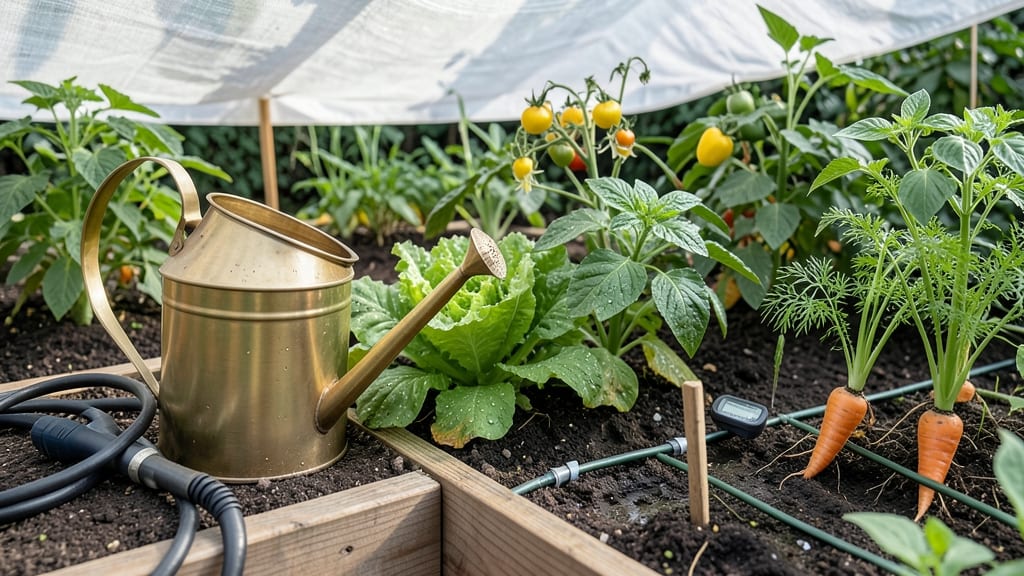
Watering vegetable gardens too often or too little can turn your harvest into a gamble—yet most gardeners wing it instead of measuring how often to water for real results.
Overwatering or underwatering your vegetable garden can ruin months of hard work—yet most gardeners guess rather than measure how often to water. The secret to thriving plants lies in simple soil-moisture tests that keep roots happy without waste.
Think about it: wilted leaves or mushy soil aren’t just bad luck—they’re signs your watering schedule is off. With the right frequency, you’ll save time, water, and keep your garden thriving all season.
Below, I’ll break down the exact watering schedule by plant type, soil, and season, plus the 5 no-fuss tests to check moisture without a fancy meter.
The right watering frequency for common vegetables (by soil type)
Your vegetable garden's success hinges on watering consistency, but not all plants or soils have the same needs. Tomatoes and peppers demand deep, frequent watering, while leafy greens like lettuce prefer even moisture.
The real game-changer? Soil type—sandy soil drains fast, while clay holds moisture like a sponge. Let's break down science-backed schedules to keep your garden thriving without waste.
First, understand that root zone depth matters more than surface moisture. Most vegetables need water to reach 6-12 inches deep, depending on their maturity. For example, carrots and potatoes (root crops) need consistent moisture to prevent cracking, while zucchini and cucumbers thrive with slightly drier conditions between waterings.
The key is matching your watering routine to your soil's natural behavior.
Here's where soil type becomes critical: Sandy soil drains water in hours, requiring daily checks, while clay soil can stay soggy for days if overwatered. Even loamy soil—often called the "gold standard"—needs adjustments based on rainfall and plant type.
Below is a comparison table to help you tailor your watering schedule like a pro, with specific recommendations for common garden staples.
Notice how tomatoes and peppers top the list for frequent watering—they're moisture-lovers that hate dry spells. Their shallow roots need consistent hydration to prevent blossom-end rot (a common tomato problem). Meanwhile, zucchini and beans are drought-tolerant once established, making them perfect for sandy soils where water drains quickly.
The table shows why clay soil can be tricky: it holds moisture longer, so you'll need to water less often but deeply to avoid suffocating roots.
For leafy greens, the goal is even moisture—never let them dry out completely, but avoid soggy soil to prevent rot.
I've seen bolted lettuce in my garden when watering was inconsistent, so I now use a simple trick: water lightly every morning and again in the evening during heatwaves. This mimics natural rainfall patterns and keeps greens crisp.
The same principle applies to herbs like basil—they wilt dramatically when thirsty but recover quickly with proper hydration.
Root vegetables like carrots and potatoes need steady moisture to develop properly. Uneven watering causes cracking or forked roots, which ruins harvests. In my sandy soil garden, I water these crops every other day in summer, using a soaker hose to deliver water directly to the root zone.
For clay soil, I space waterings further apart but increase depth—aim for 1-2 inches of water per week, delivered in one session rather than daily sprinkles.
Pro tip: Use a moisture meter or the finger test (stick your finger 1-2 inches into soil—if dry, water). In sandy soil, the top inch may dry out daily, but roots need moisture deeper.
In clay soil, wait until the top 3 inches feel dry before watering again. This simple adjustment saves water and prevents over-saturation, which can lead to root rot in heavy soils.
Seasonal adjustments are crucial too. During summer heat, most vegetables need 20-30% more water than spring or fall. I increase my watering frequency by 50% in July and August, often adding mulch to retain moisture. For winter crops like kale or Brussels sprouts, reduce watering
5 Soil-moisture tests to water like a pro (no expensive tools needed)
Mastering the art of watering your vegetable garden starts with understanding your soil's moisture levels. Overwatering wastes resources and suffocates roots, while underwatering stresses plants and reduces yields.
The good news? You don't need fancy gadgets—just your hands, eyes, and a few simple techniques to gauge when it's time to water.
Most gardeners focus only on the surface layer of soil, but roots often extend much deeper. For example, tomatoes and peppers need moisture at 6-8 inches down, while shallow-rooted leafy greens only require 1-2 inches. Testing multiple soil depths ensures your entire garden thrives.
5 Easy Soil-Moisture Tests
- Finger Check: Stick your index finger 1-2 inches deep. If it feels dry, water shallow-rooted plants like lettuce or herbs.
- Screwdriver Test: Twist a screwdriver 6 inches down. If it resists, your soil has enough moisture for deep-rooted veggies.
- Visual Cracks: Check for cracks wider than ¼ inch—this signals severe drought in clay soils.
- DIY Moisture Meter: Bury a wooden stick (like a chopstick) for 30 minutes. Lift it—if it's damp, hold off on watering.
- Weight Test: Lift a handful of soil. If it feels light, it's dry; if heavy and clumpy, it's overwatered.
For container gardens, the finger check works best at the root zone level. Press your finger against the soil—if it springs back slowly, it needs water. Containers dry out faster, so check them daily during hot weather. Remember, morning watering is ideal to reduce evaporation and fungal risks.
Adjust your watering schedule based on seasonal changes. In summer, you may need to water every 2-3 days, while spring and fall might only require weekly checks. Mulch helps retain moisture, but don't skip soil tests—mulch can mask dryness beneath the surface.
Pay attention to plant-specific signs. Wilting leaves often mean it's time to water, but some plants like cucumbers wilt naturally during heatwaves. Combine soil tests with visual cues for the most accurate reading. With practice, these simple tests will help you water like a seasoned pro.
Pro tip: Keep a garden journal to track moisture levels and watering patterns. Note which tests work best for your soil type and note any adjustments you make over time. Your future self—and your veggies—will thank you! 🌱💧