
Light Requirements
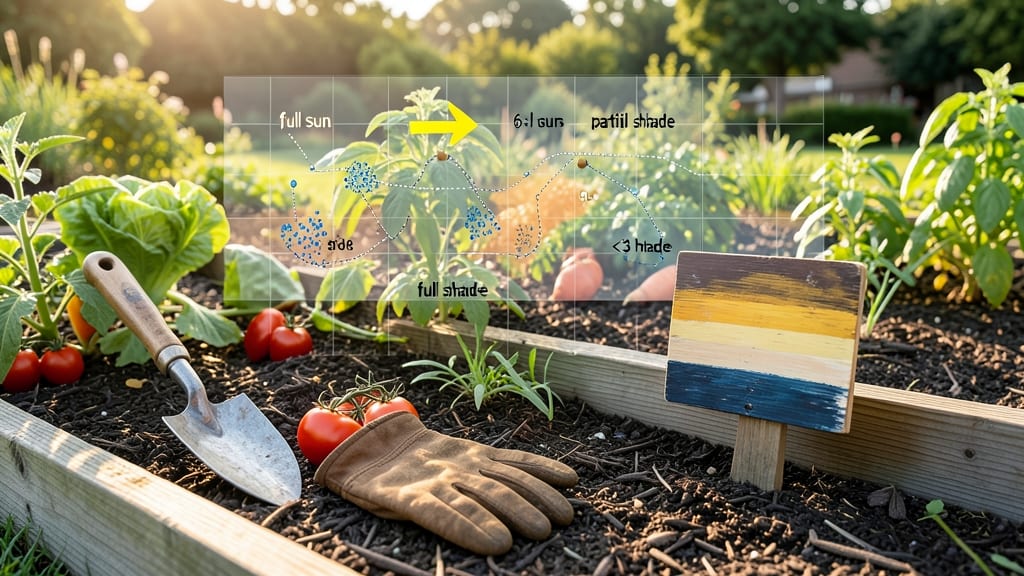
A veggie garden needs how much sun does a veggie garden need to thrive—typically 6 to 8 hours of sunlight daily for most crops—but that number changes depending on what you’re growing 🥬.
Struggling to get your vegetable garden thriving? Sunlight is the secret ingredient—too little and your plants wilt, too much and they scorch—but knowing exactly how much each crop needs can make the difference between a bountiful harvest and wasted effort.
Some plants, like tomatoes or peppers, demand full sun, while others, such as lettuce or spinach, can handle partial shade. The key is matching your garden layout to each plant’s needs, whether you’re working with a sunny backyard or a shadier spot.
Below, I’ll break down the sunlight rules by crop type, share tricks for maximizing light in tight spaces, and help you avoid common mistakes that leave plants struggling.

Sunlight requirements for vegetable gardens: full sun vs partial shade explained
Understanding your garden's sunlight exposure is the first step to growing healthy vegetables. Most gardeners assume "full sun" means any sunny spot, but 6+ hours of direct sunlight is the actual threshold for most crops. Without this, plants struggle to photosynthesize efficiently, leading to weak stems and poor yields.
I've learned this the hard way—my tomato plants once produced only tiny, bitter fruits because they were getting only 4 hours of sun daily.
Sunlight categories aren't just about hours—they're about light intensity and plant physiology. Full sun plants like peppers and cucumbers need unfiltered rays, while partial shade plants like lettuce can handle filtered light.
The key is matching your garden's microclimate to each plant's needs, which I'll break down in detail below.
Myth: "My garden gets afternoon sun, so it's full sun." Reality: Morning sun is gentler than harsh afternoon rays, especially in hot climates. I once overestimated my garden's sun exposure by 2 hours because I didn't account for summer cloud cover and neighboring trees casting shade by noon. Always measure sunlight with a sunlight tracker or observe your space for a full week.
The 6-hour rule for full sun might seem strict, but it's based on photosynthesis needs. Plants like tomatoes and peppers require this duration to develop flavor compounds and set fruit.
I once grew tomatoes in a spot with 5 hours of sun—they produced flowers but no fruit, a heartbreaking lesson in patience and precision.
Partial shade (3-6 hours) is ideal for leafy greens and root vegetables. These crops prioritize leaf or root growth over fruiting, so they tolerate less light. My spinach thrives in my morning sun spot, where it gets 4 hours of direct light before the trees shade it. The key is avoiding bolting—when plants prematurely flower due to stress.
One common mistake is assuming all shade-tolerant plants are interchangeable. While lettuce and spinach both prefer partial shade, lettuce bolts faster in heat, while spinach handles cooler temperatures better.
I learned this when my spring lettuce turned bitter and flowered too soon, while my spinach stayed crisp. Matching varieties to your microclimate makes all the difference.
For urban gardeners with limited space, maximizing sunlight becomes critical. I've used reflective mulch to bounce light into shady corners and even moved containers throughout the day to follow the sun. Even small adjustments—like removing overhanging branches—can add critical hours of light to your garden.
Seasonal changes also affect sunlight exposure. In summer, days are longer, but trees leaf out, reducing light. I mark my garden's sunniest spots in early spring before leaves appear, then adjust my planting plan accordingly. This proactive approach prevents last-minute scrambling when my tomato seedlings outgrow their shady spots.
If you're new to gardening, start with a sunlight audit. Place a white board in your garden for a week and mark the sun's path.
This simple trick revealed that my "full sun" raised bed was actually getting only 5 hours—just enough to disappoint my pepper plants but perfect for bush beans. Adjusting my plant selection saved my harvest.
Remember, sunlight isn't just about hours—it's about quality. Direct, unfiltered light is best, but even diffused light helps. My herbs grow beautifully under a south-facing window, proving that with the right approach, even limited sunlight can yield great results.
The secret is knowing your garden's unique light patterns and matching them to your crops.
Best vegetables for low-sun gardens: shade-tolerant crops and their care
Not all hope is lost if your garden gets less than 6 hours of sunlight. Many vegetables actually thrive in partial shade or even full shade, making them perfect for shady patios, north-facing beds, or urban balconies.
These shade-tolerant crops can produce just as bountifully as their sun-loving cousins—you just need to know which ones to plant and how to care for them properly.
For example, leafy greens like spinach and kale often grow better in cooler, shadier conditions, while root vegetables such as radishes and beets can tolerate partial shade without bolting or becoming bitter. Even some herbs like cilantro and parsley prefer dappled sunlight over harsh afternoon rays.
The key is choosing the right crops and providing consistent moisture, as shade gardens can dry out more slowly.
- 3-6 hours of sun: Ideal for partial shade crops like bush beans, lettuce, and Swiss chard.
- Less than 3 hours: Suitable for full shade plants like arugula, radishes, and spinach.
- Morning sun only: Best for herbs like parsley and chives, which avoid afternoon heat.
- Dappled sunlight: Perfect for carrots and beets, which need some light but not full exposure.
- Avoid full shade: Crops like tomatoes, peppers, and cucumbers will struggle without 6+ hours of sun.
One of my favorite underutilized shade crops is Swiss chard. This colorful, nutrient-packed green grows beautifully in partial shade and even produces more tender leaves when protected from intense sunlight.
Pair it with radishes, which mature quickly in cooler, shadier spots, and you’ll have a fast-growing, low-maintenance harvest in just a few weeks.
To prevent leggy or weak growth in shade gardens, focus on rich, well-draining soil and regular fertilization with a balanced organic fertilizer. Mulching with compost or straw helps retain moisture and keeps roots cool.
If your plants start stretching toward light, consider thinning seedlings or transplanting them to a slightly sunnier spot—just avoid moving them during extreme heat or cold.
For companion planting, pair shade-loving crops with each other to maximize space and deter pests. For example, bush beans fix nitrogen in the soil, benefiting nearby lettuce or spinach.
Avoid planting onion-family crops near peas or beans, as they can stunt growth. Instead, use marigolds or nasturtiums as natural pest repellents around your shade garden.
With the right shade-tolerant vegetables, you can turn even the darkest corner of your yard into a productive garden.
Experiment with seasonal planting—some crops, like arugula or spinach, thrive in cooler fall or spring shade, while others, like radishes or green onions, grow well year-round in low-light conditions. Happy gardening! 🌿