
Landscaping
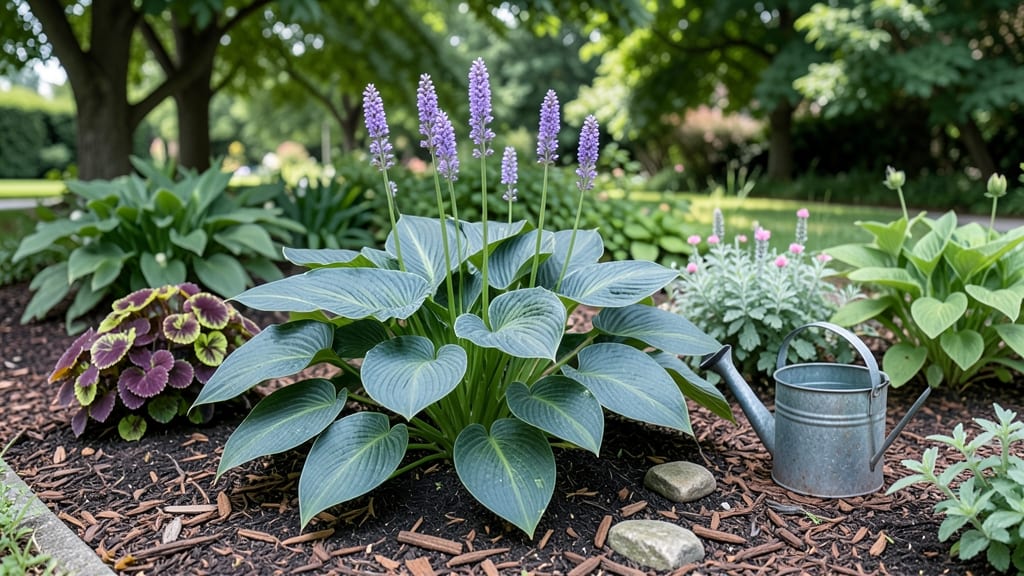
Designing some of the best shade garden ideas for Zone 6 means you can turn even the darkest corners into a lush, vibrant space without sacrificing beauty or ease of care.
Struggling to create a lush, vibrant garden in Zone 6’s shady spots? You’re not alone—many gardeners assume shade means dull, lifeless plants. But with the right shade garden ideas, you can transform dark corners into thriving, low-maintenance oases filled with color, texture, and year-round interest.
Zone 6’s climate offers the perfect balance for shade-loving plants that thrive in dappled light, from hardy perennials to ferns and ground covers. The key is choosing the right plants and arranging them thoughtfully to create layers of foliage, blooms, and seasonal appeal.
In this guide, you’ll discover top low-maintenance plants that flourish in partial shade, learn how to design a layered garden for year-round beauty, and avoid common mistakes that can stifle your shade garden’s potential.
 Best Window Placement
Top 12 low-maintenance shade plants for Zone 6 dappled light gardens
If you’ve ever stared at a shady patch in your Zone 6 garden and sighed, thinking it’s doomed to weeds and bare soil, think again. Dappled light—the filtered sunlight that dances through trees—creates the perfect conditions for a vibrant, low-maintenance garden.
The key? Choosing the right shade-tolerant plants that thrive without fuss. These 12 perennials, ferns, and ground covers will bring color, texture, and year-round interest to your shady spots with minimal effort.
Many gardeners avoid shade gardens because they assume they require constant care, but the plants I’ve selected here are drought-tolerant once established and hardy in Zone 6. They handle moist, well-draining soil and even occasional dry spells, making them ideal for busy gardeners.
Plus, they offer seasonal interest, from spring blooms to fall foliage, ensuring your garden stays lively all year.
Before we dive into the list, let’s clarify what dappled light means. It’s not full shade—it’s the filtered sunlight that moves across your garden throughout the day, like sunlight through a canopy of trees.
This partial shade environment is perfect for plants that need more light than deep shade but can’t handle harsh afternoon sun. If you’ve got a spot like this, you’re in luck!
| Plant | Sun Needs | Water Needs | Mature Size | Seasonal Interest |
|---|---|---|---|---|
| Hostas (e.g., 'Blue Angel') | Partial shade | Moderate | 1-3 ft tall | Spring blooms, summer foliage |
| Astilbe ('Fanal') | Partial shade | Moderate | 2-3 ft tall | Summer plumes, fall seed heads |
| Heuchera ('Palace Purple') | Partial shade | Low | 1-2 ft tall | Year-round foliage, spring blooms |
| Ferns (e.g., 'Ostrich') | Shade to partial shade | Moderate | 2-4 ft tall | Summer texture, winter skeleton |
| Lungwort ('Purple Host') | Partial shade | Moderate | 1-2 ft tall | Spring blooms, spotted foliage |
| Japanese Painted Fern | Shade to partial shade | Moderate | 1-2 ft tall | Year-round color, winter interest |
| Coral Bells ('Fireworks') | Partial shade | Low | 1-2 ft tall | Summer blooms, fall foliage |
| Sweet Woodruff |
How to design a layered shade garden with year-round appealA layered shade garden in Zone 6 doesn’t mean sacrificing beauty—it’s about working with nature’s shadows. The key is combining height, texture, and seasonal blooms to create depth and interest. Start by assessing your shade levels: deep shade (less than 3 hours of sun), partial shade (3-6 hours), or dappled light (filtered sun). Each zone offers opportunities for stunning plants that thrive without harsh sunlight. For a small yard, vertical space is your best friend. Use trellises, espaliered shrubs, or tiered planters to maximize square footage. Place taller plants like Japanese maples or ferns at the back, mid-height astilbes in the middle, and low-growing heucheras or ajugas at the front. This creates a natural flow while keeping the garden accessible and easy to maintain. 🌱 Seasonal layering ensures your garden stays vibrant year-round. Plant spring bulbs like bleeding heart (Dicentra spectabilis) or glory-of-the-snow (Chionodoxa) for early color. In summer, add hostas and astilbes for lush foliage and blooms. Fall brings berried shrubs like winterberry holly, and evergreens like inkberry holly or boxwood provide winter structure.
Don’t overlook textural contrast—mix smooth leaves (like hostas) with spiky foliage (like Japanese painted fern) or fuzzy textures (like lamium). This adds visual interest even when flowers aren’t blooming. For small spaces, group plants in odd-numbered clusters (3, 5, or 7) to create a natural, balanced look. When planting, prioritize well-draining soil—amend with compost or leaf mold to improve fertility. Place moisture-loving plants (like hostas) near drip lines of trees, where soil stays consistently damp. For drier areas, opt for drought-tolerant options like sedum or sempervivum (though they prefer some shade). Finally, add hardscaping elements like stepping stones, a small bench, or a decorative pot to define zones and add functionality. A drip irrigation system makes watering effortless, while a layer of wood chips keeps weeds at bay. With these layers, your shade garden will be a year-round showcase—no dull corners in sight! |