
Light Requirements
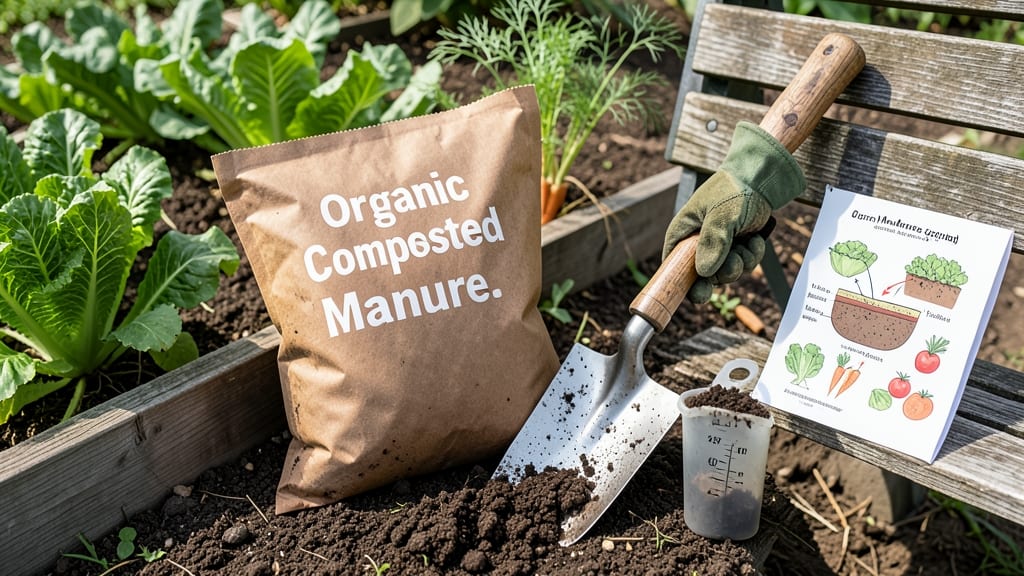
To determine how much manure to add to garden soil, use 1 to 4 inches of well-aged compost per square yard, adjusted for soil type and plant needs. Always compost manure for 3-6 months before use to prevent burning plants, and tailor amounts based on soil tests for nitrogen-heavy crops like tomatoes or phosphorus-rich flowers.
Manure application rates vary because soil composition plays a huge role. 🌱 Sandy soil drains quickly, so you'll need slightly more—up to 4 inches—to retain nutrients, while clay soil holds moisture longer and may only need 1-2 inches.
For nutrient-hungry plants like leafy greens, focus on nitrogen-rich compost, while flowering plants benefit more from phosphorus. The key is balancing organic matter with your soil's existing nutrients—think of it as feeding both your plants and the soil's microbes.
Timing matters just as much as quantity. Spring is ideal for most gardens, but fall applications can improve winter soil structure. Spread manure evenly with a rake, then lightly till it into the top 6 inches of soil.
Avoid direct contact with plant stems, and always water thoroughly after applying to help distribute nutrients and prevent odor. Fresh manure can introduce harmful bacteria, so composting is non-negotiable—your plants will thank you for the patience!
💡 In This Article
- Manure Application Ratios by Soil Type and Nutrient Needs
- Step-by-Step Guide to Mixing Manure into Garden Beds
Manure application ratios by soil type and nutrient needs
Soil composition dictates how much manure your garden can handle without nutrient overload or microbial imbalances. Sandy soils, with their coarse texture and rapid drainage, require 3-4 inches of composted manure per square yard—their large particles create air pockets that need extra organic matter to retain moisture and nutrients.
In contrast, clay soils, dense and slow-draining, only need 1-2 inches because their tiny particles already hold water and nutrients tightly. Loamy soils, the gardener's gold standard, strike a balance and typically thrive with 2-3 inches of composted manure.
The science behind this lies in soil's cation exchange capacity (CEC), which measures how well soil holds nutrients. Clay soils have high CEC (up to 30 meq/100g), while sandy soils have low CEC (around 5 meq/100g).
Composted manure improves CEC by adding organic matter that binds nutrients, but too much can suffocate sandy soils or create anaerobic pockets in clay. 🌱 For example, a 100-square-foot sandy bed might need 30-40 pounds of composted cow manure (about 3.5 cubic feet), while the same area in clay soil would only require 15-20 pounds (2 cubic feet).
Plant nutrient needs further refine these ratios. Nitrogen-loving plants like tomatoes, corn, and leafy greens benefit from manure with higher nitrogen content (like chicken or rabbit manure), while phosphorus-heavy manure (such as composted bone meal or horse manure) suits flowering plants and root crops.
A soil test reveals these specifics—most labs report nitrogen (N), phosphorus (P), and potassium (K) levels, with ideal ratios often cited as 3:1:2 for general gardening.
For instance, if your soil test shows low phosphorus, prioritize manure sources like composted steer or dairy cow manure, which typically have higher phosphorus levels.
Fresh manure introduces risks beyond nutrient imbalance. Its high ammonia content can spike soil pH temporarily, creating a toxic environment for plant roots and beneficial microbes. Composting for 3-6 months stabilizes nitrogen, reduces pathogens like E. coli, and improves microbial diversity.
The decomposition process also breaks down complex organic matter into humus, which enhances soil structure and water retention. For example, fresh horse manure can have up to 0.5% ammonia, while well-composted horse manure stabilizes at 0.1% or less, making it safer and more effective for plants.
Consider the microbiome—healthy soil teems with billions of bacteria, fungi, and protozoa that decompose organic matter and make nutrients available to plants. Composted manure introduces beneficial microbes like Pseudomonas and Trichoderma species, which suppress plant diseases and improve nutrient cycling.
A 1-inch layer of composted manure can add 10,000-100,000 microbial colonies per gram of soil, compared to 1,000-10,000 in unamended soil. This microbial boost explains why composted manure often leads to 20-30% higher plant yields in trials, even when applied at lower rates than fresh manure.
For precise application, start with a soil test kit (available for $20-$50 from garden centers) to measure pH and organic matter. Aim for a pH of 6.0-7.0—most manures are slightly acidic (pH 6.5-7.5), so they won't drastically alter your soil's pH if composted.
If your soil is already rich in organic matter (5% or higher), reduce manure to 1-2 inches to avoid overfeeding. Conversely, if organic matter is below 3%, increase to 3-4 inches to rebuild soil health. Think of it like feeding your garden's ecosystem—balance is key!