
Light Requirements
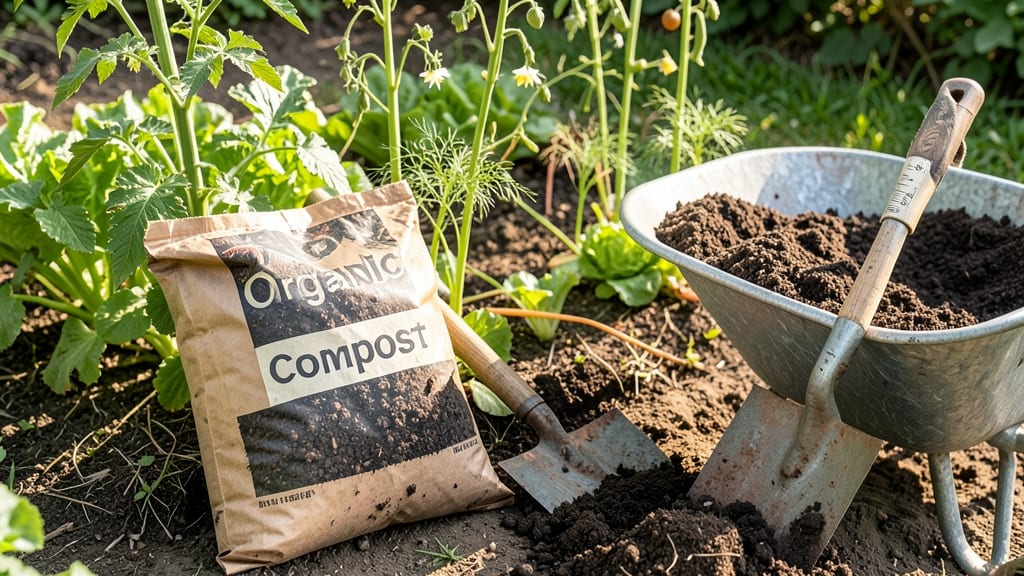
To determine how much manure for garden, use 1–2 inches of well-aged composted manure per 100 square feet for most vegetables, reduce to ½ inch for delicate flowers, and avoid over-application to sandy soils. Test soil first to prevent nutrient burn.
Manure application rates vary because different plants absorb nutrients at different speeds—and too much can actually harm your garden. 🌱 For example, nitrogen-rich manure like cow or horse works best for heavy feeders like tomatoes, while chicken manure (even when aged) should be used sparingly due to its high concentration.
Sandy soils drain quickly, so they can handle more frequent but lighter applications compared to clay soils, which retain moisture and nutrients longer.
Always work fresh manure into the soil at least 3 months before planting to avoid burning roots, while established perennials and trees can handle a top-dressing of ½ to 1 inch in early spring.
The key is balancing organic matter with your soil's existing fertility—think of it like seasoning a dish: a little enhances flavor, but too much ruins it.
💡 In This Article
- Manure Application Science: Nitrogen, pH, and Soil Health
- Plant-Specific Manure Ratios: Vegetables, Flowers, and Trees
Manure application science: nitrogen, pH, and soil health
Manure's power comes from its nitrogen content, which plants need for leafy growth but can burn roots if overapplied. Fresh manure contains 0.5-1% nitrogen that releases slowly, while aged composted manure has 0.1-0.5% nitrogen in more stable forms.
The breakdown happens through microbial activity—when composting properly, these microbes convert organic matter into plant-available nutrients over 3-6 months, reducing the risk of volatility. 🌱
Soil texture dramatically affects how manure behaves. Sandy soils drain quickly, so nutrients wash away within 24-48 hours unless you apply manure in layers with organic matter like straw.
Clay soils hold moisture and nutrients longer, allowing you to spread manure 6-12 months before planting without leaching. pH also matters—most plants thrive at 6.0-7.0, but manure can acidify soil over time (especially poultry manure), which is why testing before application is critical.
The microbial benefits go beyond nutrients. Healthy manure introduces beneficial bacteria and fungi that improve soil structure and suppress harmful pathogens. For example, cow manure contains 100,000-1,000,000 bacteria per gram, while chicken manure can have 10x more due to its higher temperature during composting.
However, this microbial boost requires proper balance—too much manure can create anaerobic conditions, producing foul-smelling ammonia and reducing oxygen availability for plant roots. 🌿
Over-application creates another hidden problem: salt buildup. Manure contains soluble salts that can accumulate in the soil, creating an osmotic imbalance that stresses plants. This is why sandy soils—with their poor nutrient retention—are especially vulnerable to salt damage when over-fertilized.
The solution? Start with ½ inch for sensitive plants and monitor leaf edges for yellowing or browning, which are early signs of nutrient burn.
Consider this analogy: manure is like a slow-release fertilizer capsule. The "capsule" (organic matter) breaks down gradually, releasing nutrients in sync with plant needs. In clay soils, this capsule lasts months; in sandy soils, it dissolves within weeks.
That's why top-dressing established plants with 1-2 inches of aged manure in spring provides a steady nutrient flow without overwhelming the soil ecosystem. 💫
For maximum effectiveness, pair manure with carbon-rich materials (like leaves or straw) to create a balanced compost. This 30:1 carbon-to-nitrogen ratio ensures microbes have the energy they need to break down manure efficiently.
Without this balance, you'll end up with a smelly, nutrient-poor pile instead of rich, crumbly compost ready to nourish your garden.