
Vegetables
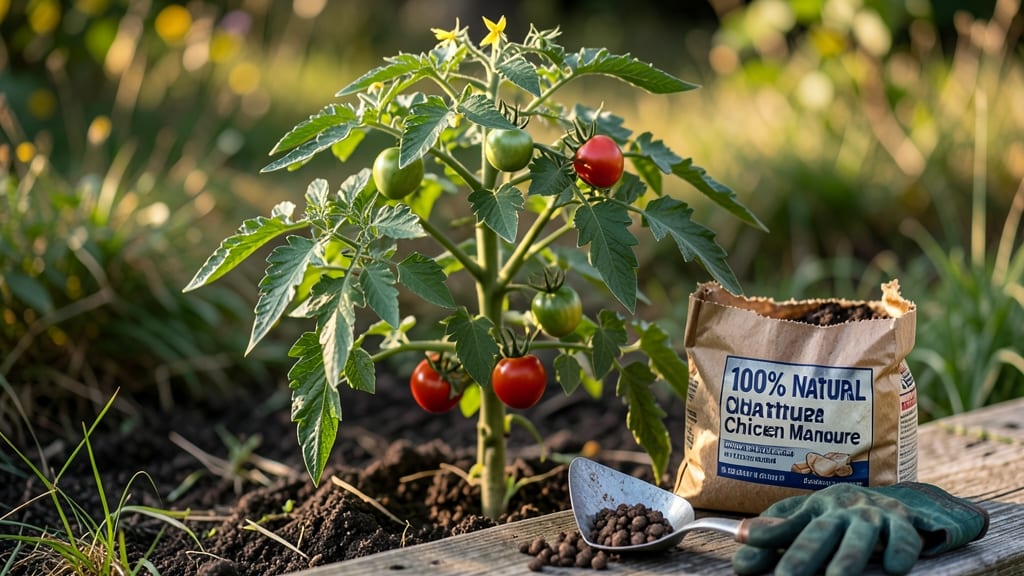
Chicken manure is good for gardens because it delivers a powerful nitrogen boost that fuels rapid growth in leafy vegetables and fast-growing plants, though it must be composted first to prevent root burn and pathogen spread. Proper aging for 6 months or longer transforms it into a nutrient-rich, soil-enhancing fertilizer.
This organic fertilizer stands out because of its 4-6% nitrogen content, which is nearly double that of cow manure. 🌱 The breakdown process during composting converts urea into plant-available forms while reducing ammonia volatility, making it gentler on plants over time.
Unlike synthetic fertilizers, it also introduces beneficial microbes that improve soil structure and water retention—key factors for long-term garden health.
For best results, I recommend using it in compost piles (hot piles reach safe temperatures faster) or mixing it into garden beds at a 1:2 ratio with finished compost.
The high nitrogen makes it ideal for leafy greens like spinach or lettuce, but avoid using it directly on root crops or seedlings, as the fresh form can be too intense. Storing it in breathable containers away from direct sunlight helps control odor and prevents attracting pests.
💡 In This Article
- How Chicken Manure Enhances Soil Fertility
- Safe Application Methods for Chicken Manure in Gardens
How chicken manure enhances soil fertility
Chicken manure packs a nutrient punch with 4-6% nitrogen content, making it one of the most potent organic fertilizers available.
This high nitrogen level supports rapid chlorophyll production, which is why it's ideal for leafy greens like spinach or Swiss chard. 🌱 The nitrogen comes primarily from urea and uric acid in fresh droppings, which break down into ammonia—a form plants can absorb.
However, this process releases heat and can burn plant roots if applied directly.
Beyond nitrogen, chicken manure contains phosphorus and potassium in balanced proportions, though the exact ratios vary based on diet and bedding materials. For comparison, cow manure typically contains only 1-2% nitrogen, while horse manure sits around 2-3%.
The key difference lies in how quickly these nutrients become available: chicken manure's high nitrogen content makes it a "fast-acting" fertilizer when properly composted, unlike slower-release options like worm castings.
The real magic happens during composting, where microbes transform raw manure into a stable, safe fertilizer. A properly managed compost pile reaches temperatures between 130-160°F (hot composting), which kills weed seeds and pathogens.
This process also converts volatile ammonia into more stable organic compounds. 🔥 The result is a crumbly, dark material with a rich earthy aroma—far removed from the pungent smell of fresh chicken manure.
What makes chicken manure particularly valuable is its microbial diversity. The composting process introduces beneficial bacteria and fungi that improve soil structure by creating stable aggregates. These microbes also enhance water retention and aeration, which is crucial for root development.
Studies show that gardens amended with composted chicken manure exhibit 20-30% better water infiltration compared to unamended soil, reducing runoff and improving drought resilience.
The composting process also reduces the risk of pathogens. Fresh chicken manure can contain E. coli and salmonella, but proper composting (maintaining 131°F for at least 3 days) eliminates these risks. This makes it safe for vegetable gardens where direct contact with soil is likely.
The finished compost should have a neutral pH (6.5-7.5) and resemble dark, crumbly soil rather than the chunky, smelly material you start with.
For gardeners using it as a soil amendment, the benefits extend beyond immediate nutrition. Composted chicken manure improves cation exchange capacity (CEC), which helps soils retain essential nutrients like calcium and magnesium.
This long-term soil health benefit makes it a favorite among organic gardeners who prioritize sustainable practices over quick nutrient fixes. 💫