
Vegetables
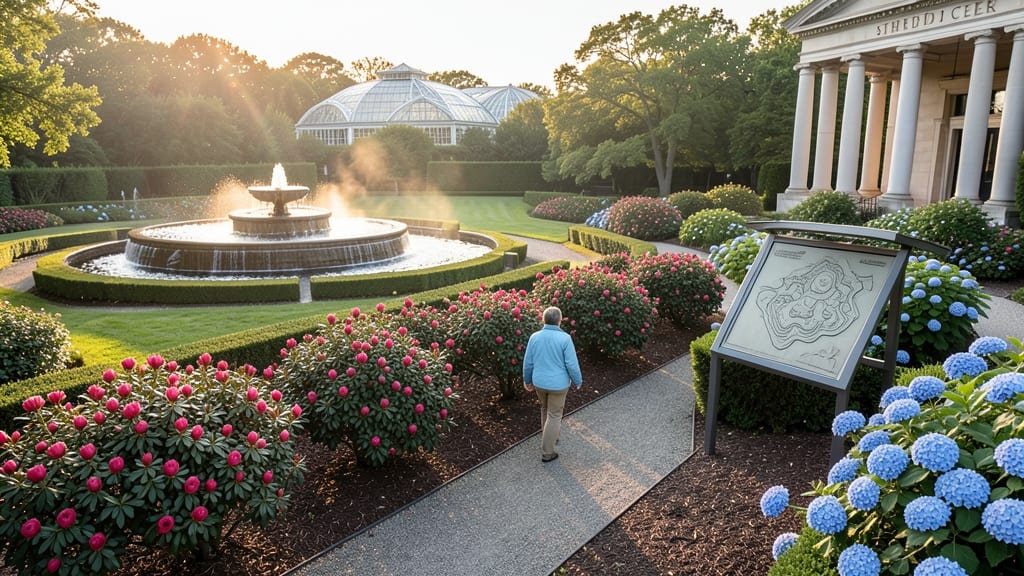
Longwood Gardens covers 1,066 acres in Kennett Square, Pennsylvania, featuring 35 acres of meticulously landscaped gardens, a 20-acre woodland, and a 10-acre botanical display garden with rotating seasonal exhibits.
Understanding Longwood Gardens' size helps explain why it feels like an entire world within its borders. 🌿 The property includes not just the famous public gardens but also private estate grounds, a massive conservatory, and dedicated conservation land.
What makes this scale impressive is how each section serves a distinct purpose—whether you're exploring rare plant collections or wandering through the sprawling woodland trails.
For visitors, the sheer acreage means you can easily spend a full day exploring without seeing everything. The landscaped gardens alone offer over 35 acres of themed displays, while the woodland provides a serene escape.
Seasonal changes transform the layout, with some areas only accessible during specific times of year, adding another layer to the experience.
This extensive property also supports one of the largest private botanical collections in the U.S., with thousands of plant species thriving across the diverse landscapes. The combination of formal gardens, natural woodlands, and specialized display areas creates a unique experience that few other botanical gardens can match.
💡 In This Article
- Longwood Gardens’ Total Land Breakdown by Section
- Why Longwood Gardens’ Size Matters for Visitors
Longwood gardens’ total land breakdown by section
The 1,066-acre Longwood Gardens property is carefully divided into distinct sections, each serving a unique purpose within the estate. The most visible portion is the 35-acre landscaped gardens, which includes iconic features like the Main Fountain Garden (spanning 10 acres itself) and the Italian Water Garden.
These areas are meticulously designed with seasonal color schemes, water features, and themed displays that change with the time of year.
Beyond the public gardens, the estate includes 20 acres of woodland, providing a natural contrast to the formal landscapes. This section features trails winding through mature oak and hickory trees, with some areas designated for conservation efforts.
The woodland also serves as a habitat for local wildlife, including over 200 species of birds and various mammals. 🌳 Another key area is the 10-acre botanical display garden, which rotates seasonal exhibits—think tulip festivals in spring or holiday light displays in winter—creating a dynamic experience for visitors.
What often surprises visitors is the private estate grounds, which make up a significant portion of the total acreage. These include the historic Longwood Manor (built in 1906), the conservatory complex (covering 3 acres under glass), and greenhouse facilities spanning 5 acres.
The conservatory alone houses over 1,000 plant species, including rare orchids and tropical plants that thrive in controlled environments. This division ensures that while the public enjoys the gardens, the estate maintains its private collections and operational spaces.
The remaining acreage is dedicated to conservation land, where Longwood Gardens works to preserve native ecosystems. This includes wetland restoration projects and native plant propagation areas, which help sustain biodiversity in the region.
The estate’s expansion over the decades—originally just 50 acres when founded in 1927—reflects its commitment to growing both its public spaces and conservation efforts. 🌿 Today, the balance between public access and private stewardship is what allows Longwood to maintain its reputation as one of the most comprehensive botanical gardens in the U.S.
For those planning a visit, understanding these sections helps in prioritizing what to see. The landscape gardens are ideal for photography and leisurely strolls, while the woodland trails offer a quieter, more immersive experience.
The conservatory is a must for plant enthusiasts, with its glasshouse temperatures often reaching 80-85°F year-round to nurture tropical species. Each area’s size and purpose contribute to the garden’s ability to offer something for every type of visitor.
Historically, the estate’s growth was driven by the Pennsylvania native Pierre S. du Pont, who transformed the original farmland into the sprawling garden we see today. His vision was to create a space that blended art, science, and nature, and the 1,066 acres now reflect that balance perfectly.
Whether you're admiring the Main Fountain’s 21-foot-tall spire or wandering through the hidden woodland paths, the scale of the property ensures every visit feels like a new discovery. 💫