
Watering
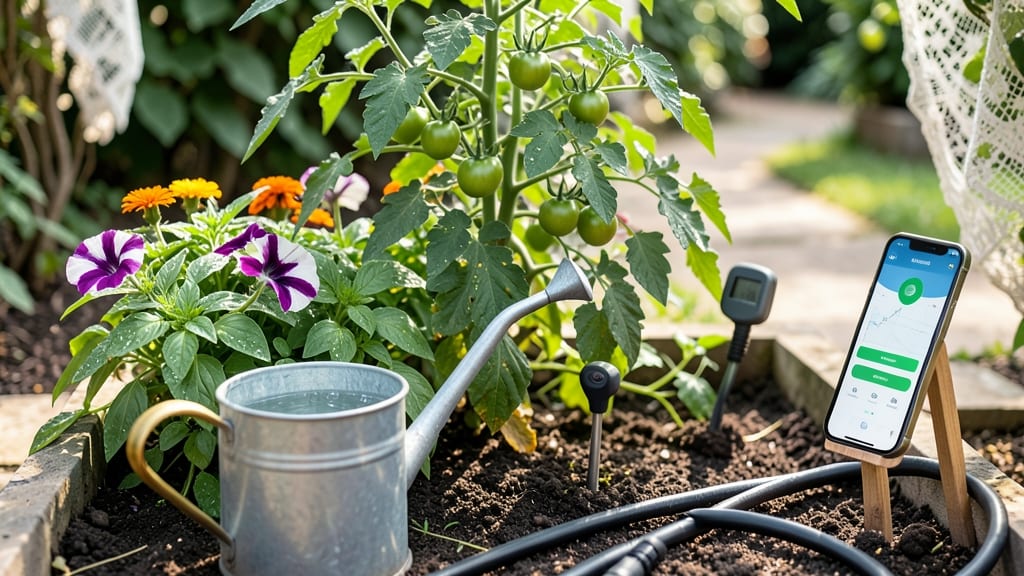
To water your garden in summer the right way means checking soil moisture—not guessing by time or calendar—because what works for one plant fails another in the same heat.
Summer heat can turn your garden from lush and vibrant into a crispy wasteland—unless you master the art of watering. But how often should you water? The answer isn’t just about time—it’s about your soil, your plants, and the hidden clues they give you.
Most gardeners overestimate how much water their plants need, drowning roots one day and leaving them parched the next. The key is a simple soil check method that adapts to your local climate, soil type, and even the time of day you water.
In this guide, you’ll discover how to read your soil like a pro, adjust watering schedules for different plants, and spot the warning signs of over- or under-watering before it’s too late. Let’s keep your garden thriving all season long.
The soil check method: when to water based on moisture levels
Summer heat demands a smarter approach to watering—one that goes beyond guessing or following rigid schedules. The soil check method is your secret weapon for determining when to water. By testing moisture levels at different depths, you’ll water exactly when needed, saving time and preventing plant stress.
This science-backed technique works for all garden types, from vegetable beds to container plants.
Most gardeners make the mistake of watering on a fixed schedule, which can lead to overwatering or underwatering. Instead, focus on the soil’s moisture content, which tells you more than a calendar ever could.
The key is checking moisture at two critical depths: the top 1-2 inches (surface) and 3-4 inches (root zone). This two-layer approach ensures you’re hydrating where it matters most.
Why does depth matter? Shallow watering only wets the surface, encouraging shallow root growth. Deep watering, however, prompts roots to grow downward, making plants more drought-resistant. For summer, aim to water until moisture reaches 6-8 inches deep—this mimics natural rainfall and reduces stress on your plants during peak heat.
🌱
| Soil Condition | Moisture Level | Watering Action | Frequency (Summer) |
|---|---|---|---|
| Clay Soil | Dry at 1-2" | Water deeply | Every 3-5 days |
| Sandy Soil | Dry at 3-4" | Water deeply | Every 1-2 days |
| Loamy Soil | Moist at 1-2" | Hold off | Every 4-7 days |
| Container Plants | Dry at 1" | Water thoroughly | Daily (early AM) |
| Mulched Beds | Moist at 3" | Water lightly | Every 5-7 days |
The simplest way to check soil moisture is the finger test. Stick your index finger into the soil—if it feels dry at 1-2 inches, it’s time to water surface-level plants like lettuce or basil.
For deeper-rooted plants (tomatoes, peppers), check 3-4 inches deep. If the soil clings slightly to your finger, it’s still moist enough to wait. If it crumbles like sand, water immediately.
For precision, invest in a moisture meter, especially if you’re dealing with container gardens or drought-prone areas. These tools measure moisture levels digitally, eliminating guesswork. I recommend the Xiaomi Mi Flower Care or AcuRite meters—they’re affordable and reliable for summer watering.
Even a wooden skewer works in a pinch: push it into the soil and check for dampness.
Timing is just as critical as depth. Water in the early morning (5-9 AM) to reduce evaporation and fungal risks. Avoid evening watering, as damp foliage overnight can lead to powdery mildew or blight.
If you must water in the heat of the day, do so before 10 AM or after 4 PM, and focus on the base of plants, not the leaves.
Adjust your watering based on weather forecasts. If rain is predicted, skip your scheduled watering. If temperatures hit 90°F+, increase frequency by 20-30%. Pay attention to local drought advisories—some regions may impose water restrictions, forcing you to rely even more on soil checks.
Pro tip: Group plants with similar water needs together to streamline your routine.
Signs of overwatering include yellowing leaves, mold on the soil surface, or plants that wilt despite moist soil. Underwatering shows as crispy leaf edges, drooping stems, or soil pulling away from container sides.
Both extremes stress plants, so stay vigilant. Mulching with 2-3 inches of organic matter (straw, wood chips) helps retain moisture and regulate soil temperature.
💧
Watering frequency by plant type: a summer survival guide
Summer heat demands a customized watering approach—what works for tomatoes can drown lavender. Each plant has unique root depth and drought tolerance, so blindly following a one-size-fits-all schedule risks stressing your garden.
I’ve broken down summer watering by plant category, including visual cues to spot over- or under-watering before it’s too late.
Your soil type also plays a starring role. Sandy soil drains fast, while clay holds moisture longer. For this guide, I’m assuming average garden soil—adjust if yours is sandy or clay-heavy. Always water deeply (1-2 inches per week) rather than shallowly, encouraging roots to grow downward where it’s cooler.
- 1 Vegetables (Tomatoes, Peppers, Cucumbers): Water daily in containers, every 2-3 days in-ground. Wilted leaves by noon? Time to water. Avoid wetting foliage to prevent disease.
- 2 Herbs (Basil, Cilantro, Parsley): Keep soil consistently moist (every 1-2 days). Yellowing leaves signal overwatering; crispy edges mean drought. Mulch heavily to retain moisture.
- 3 Flowers (Marigolds, Zinnias, Petunias): Water every 2-4 days, depending on heat. Drooping blooms need hydration; moldy stems mean too much water. Group thirsty flowers together for efficiency.
- 4 Shrubs (Roses, Hydrangeas, Boxwoods): Deep water once weekly unless in extreme heat (then every 2-3 days). Curling leaves or shriveling buds are red flags. Established shrubs handle drought better than new transplants.
- 5 Drought-Tolerant Plants (Lavender, Succulents, Ornamental Grasses): Water every 7-10 days unless in container pots (then every 3-5 days). Soft, mushy stems mean overwatering; grayish leaves signal thirst. Let soil dry completely between waterings.
Pro tip: Morning watering (before 10 AM) is ideal—it reduces evaporation and fungal risks from evening moisture. If you must water in the evening, do it early and avoid wetting leaves. For container gardens, check soil moisture daily; pots dry out 3x faster than in-ground soil.
Watch for these visual stress signals: Yellowing leaves (overwatering), crispy edges (underwatering), or drooping stems (heat stress). Adjust your schedule based on these clues, not just the calendar. In drought-prone areas, consider drip irrigation or mulch to lock in moisture.
Remember, summer watering isn’t about frequency—it’s about depth. A slow, deep soak encourages strong roots, while light, frequent sprinkles keep plants shallow and stressed. With this tailored approach, your garden will stay hydrated, healthy, and happy all season long. 🌱☀️