
Blooming
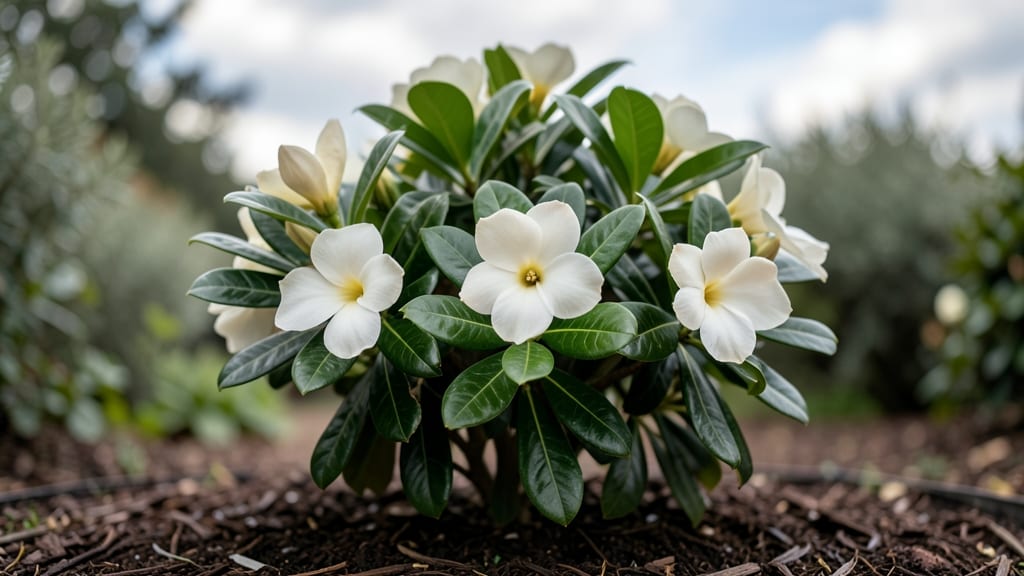
Gardenia blooms in Florida typically arrive in late spring, with most varieties hitting their peak from May through July—though timing shifts dramatically depending on your corner of the state.
Picture this: you’ve just planted your 🌸 gardenia, dreaming of fragrant blooms, only to realize your neighbor’s shrub is already heavy with flowers while yours hasn’t budged.
That’s Florida’s climate playing tricks—humidity and heat accelerate blooms in South Florida, while North Florida gardeners might wait until June or even July for their first whiff of that signature perfume.
But here’s the secret: the right variety, a little pruning know-how, and a few care tweaks can shift your gardenia’s bloom window by weeks. Whether you’re in Zone 9a or 11, we’ll break down the exact months for popular types and how to coax extra blooms year-round.
Ready to transform your yard into a fragrant paradise? You’ll learn how to read your gardenia’s signals, adjust care for your specific region, and even troubleshoot why your plant might be playing hard to bloom—without resorting to guesswork.
Gardenia bloom seasons in Florida by variety (month-by-month guide)
Florida’s year-round warmth makes gardenias thrive, but their bloom timing varies dramatically by variety and region. In North Florida (Zones 8-9), cooler winters delay blooms until late spring or summer, while South Florida (Zones 10-11) gardenias may flower year-round with minimal gaps.
Understanding these patterns helps you plan for peak fragrance and adjust care routines accordingly.
Most gardenias follow a spring-to-fall blooming cycle, but early bloomers like 'Radicans' can surprise you with winter flowers in warmer microclimates. Meanwhile, 'Kleim’s Hardy'—a favorite for North Florida gardens—often waits until June or July to burst into bloom. Let’s break down the month-by-month expectations for Florida’s top varieties.
If you’re in North Florida, aim to plant gardenias in spring (March–April) to give them time to establish roots before the summer heat. Varieties like 'Kleim’s Hardy' and 'Fortuniana' are best suited for these cooler regions, as they tolerate mild winters better than tropical types.
In Central Florida, you’ll see longer bloom seasons—often from February to October—with 'Radicans' leading the charge.
For South Florida gardeners, the real magic happens when cooler seasons (November–February) trigger winter blooms in varieties like 'Veitchii' and 'Mystery'. These plants can bloom intermittently year-round if given consistent care, including regular pruning to remove spent flowers and encourage new growth.
I’ve seen 'Radicans' produce stunning winter blooms in Miami’s microclimates, even when temperatures dip slightly.
One critical factor affecting bloom timing is light exposure. Gardenias need 4–6 hours of morning sun but afternoon shade to prevent leaf scorch. In coastal areas, salt spray can delay blooming, so mulch heavily and water deeply to flush out excess salt.
Inland gardens, meanwhile, may experience sh
How to extend gardenia blooming season in Florida (tips for year-round flowers)
Florida gardeners know the magic of gardenias—those fragrant white blooms that perfume the air. But if you're craving longer bloom times, you'll need to tweak a few key factors. The secret lies in understanding your microclimate, adjusting care routines, and avoiding common pitfalls that cut blooms short.
In Florida's humid heat, gardenias naturally bloom from spring through fall, but with the right approach, you can coax them into flowering earlier or later.
Coastal areas often see blooms 2-3 weeks earlier than inland zones due to milder temperatures. Let's explore how to maximize your gardenia's potential.
⚠️ Common Mistakes That Shorten Bloom Time
- Overwatering causes root rot, starving blooms of nutrients. Solution: Water deeply 2-3 times weekly but ensure drainage.
- High-nitrogen fertilizer promotes leafy growth at the expense of flowers. Solution: Use 6-10-10 NPK (high phosphorus) in spring.
- Harsh afternoon sun scorches buds. Solution: Provide partial shade (4-6 hours morning sun max).
- Pruning at wrong time (after blooming). Solution: Prune lightly in late winter to shape, not after flowers fade.
Start with pruning techniques that encourage more blooms. After your gardenia finishes flowering, trim back 1/3 of the oldest stems to stimulate new growth. This isn't just about shaping—it's about redirecting energy toward next season's buds. For coastal Florida, prune in late February to capitalize on milder temperatures.
Fertilizer schedules make all the difference. Gardenias thrive on acid-loving formulas with high phosphorus (like 6-10-10). In spring and early summer, feed every 4-6 weeks to fuel blooming.
Switch to organic options like fish emulsion or bone meal for a gentler approach. Inland areas may need slightly more frequent feeding due to hotter, drier conditions.
Watering hacks can extend blooms by weeks. Gardenias love moisture but hate soggy roots. Water deeply in the morning (1-2 gallons per plant) to prevent fungal issues.
During Florida's summer heatwaves, increase frequency to daily deep watering. For potted gardenias, check soil moisture daily—they dry out faster.
Microclimate adjustments are your final tool. Coastal gardenias often bloom earlier due to moderate humidity and softer winds. If you're inland, create shade with lightweight fabric or plant near tall shrubs.
Mulch with pine bark to maintain soil acidity and retain moisture. These small tweaks can push blooms 2-4 weeks earlier or later into fall.
With these strategies, your gardenias could bloom nearly year-round in Florida's climate. The key is consistency—prune, feed, and water with purpose, and your fragrant shrubs will reward you with longer, more abundant blooms. 🌸