
How To
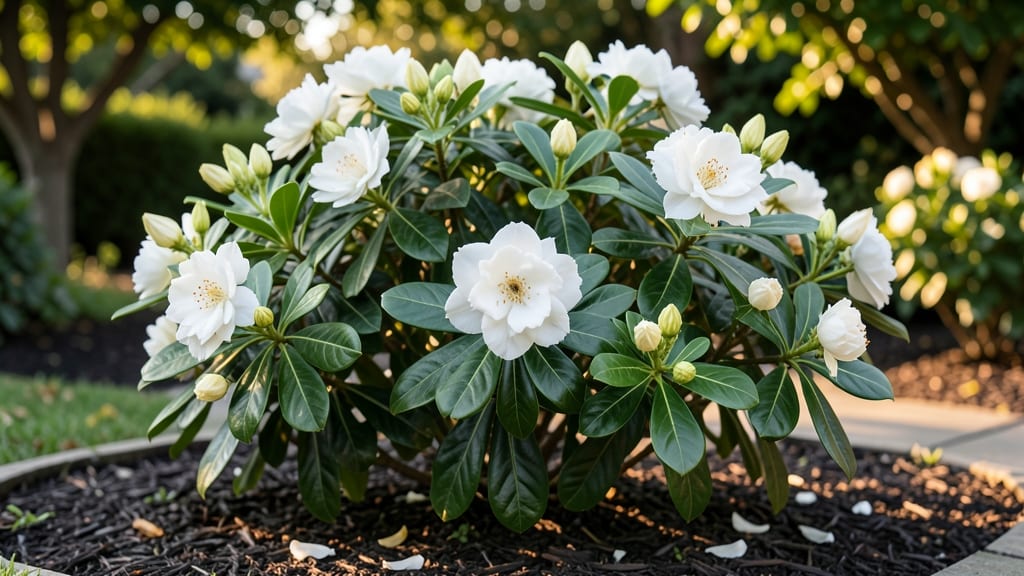
Gardenia blooms typically last between 4 and 7 days per flower, though their intoxicating fragrance and velvety petals make every moment feel special 🌸.
If you’ve ever admired gardenias for their intoxicating scent and velvety petals, you know their fleeting beauty can be frustrating—especially when you’re eager to enjoy their fragrance longer.
Understanding how long gardenia blooms last isn’t just about patience; it’s about unlocking the secrets to extending their seasonal display and maximizing your garden’s allure.
These delicate flowers thrive in spring, but their lifespan can vary based on sunlight, soil pH, and even humidity levels. With the right care, you can coax them into reblooming later in the season, turning a short-lived display into a prolonged show of elegance.
In this guide, I’ll break down the natural bloom cycle, share proven strategies to extend their beauty, and reveal how to preserve cut blooms indoors—so you can enjoy their magic even longer.
Natural lifespan of gardenia blooms: seasonal patterns and factors affecting duration
Understanding the natural lifespan of gardenia blooms starts with recognizing that each flower typically lasts just 4-7 days once fully open. While this may seem short, gardenias often produce multiple blooms simultaneously, creating the illusion of a longer display.
The peak blooming season for most varieties occurs in late spring, with occasional fall reblooming depending on climate conditions.
Many gardeners assume gardenias bloom continuously, but their seasonal patterns are actually quite specific. The primary blooming window spans 6-8 weeks in ideal conditions, with Gardenia jasminoides (the most common variety) producing 2-3 flushes of flowers per season.
Understanding these patterns helps you set realistic expectations and plan your garden layout accordingly.
| Variety | Bloom Duration | Seasonal Pattern | Key Factors |
|---|---|---|---|
| Gardenia jasminoides | 4-7 days per bloom | Spring (April-May), occasional fall | Humidity, pruning, soil pH |
| Gardenia augusta | 5-10 days per bloom | Summer (June-August) | Temperature, sunlight, water |
| Gardenia radicans | 3-5 days per bloom | Spring (March-April) | Air circulation, pruning |
| Gardenia thunbergia | 6-9 days per bloom | Fall (September-October) | Humidity, temperature |
The environmental factors that affect gardenia bloom duration are numerous, with temperature and humidity playing dominant roles. Gardenias thrive in 60-80°F temperatures, and blooms tend to last longer when nighttime temperatures stay above 55°F.
In hotter climates, blooms may wilt within 3-4 days due to heat stress, while cooler conditions can extend their lifespan to 7-10 days.
Humidity levels also make a significant difference—60-70% humidity is ideal for gardenias, as lower humidity causes blooms to dry out faster. If you notice your gardenia blooms drooping or browning at the edges, it’s often a sign of insufficient humidity.
Using a humidifier nearby or placing the plant on a pebble tray with water can help maintain optimal conditions.
Sunlight exposure directly impacts bloom longevity, with too much direct sun causing flowers to scorch and wilt prematurely. Gardenias prefer morning sun with afternoon shade, particularly in hotter regions.
In USDA Zone 7 and above, gardenias often experience longer bloom durations because they receive gentler sunlight throughout the day. If you're growing gardenias in containers or pots, moving them to a shadier location during peak afternoon sun can extend bloom life by 2-3 days.
Soil conditions play a crucial role in determining how long gardenia blooms last, with acidic, well-draining soil being essential. Gardenias require a pH level between 5.0-6.5, and soil that’s too alkaline can shorten bloom duration by up to 50%.
Conducting a soil test every 2-3 years and amending the soil with peat moss or sulfur can help maintain the ideal pH. Additionally, overwatering or soggy soil leads to root rot, which weakens the plant and reduces bloom quality and longevity.
Pruning practices significantly influence how long gardenia blooms last, particularly when it comes to deadheading spent flowers. Removing faded blooms promptly after they wilt encourages the plant to produce new buds more quickly, effectively extending the overall blooming season.
However, avoid over-pruning in late summer, as this can stimulate new growth that won’t have time to harden off before winter, potentially reducing next year’s blooms.
Different gardenia varieties exhibit noticeable differences in bloom duration, with some lasting as little as 3 days and others stretching to 10 days. For example, Gardenia augusta is known for its longer-lasting blooms compared to Gardenia jasminoides, which is more common in home gardens.
If you're selecting gardenias for extended bloom enjoyment, consider hybrid varieties like 'Kleim's Hardy', which is bred for cold tolerance and prolonged blooming.
Seasonal variations also affect bloom duration, with spring-blooming gardenias typically lasting 1-2 days longer than those that bloom in summer. This is because spring conditions often provide cooler nights and higher humidity, which are ideal for gardenia blooms.
5 Proven strategies to extend gardenia bloom longevity in your garden
Gardenias are nature's perfumed masterpieces, but their 4-7 day bloom cycle can feel disappointingly brief. The good news? With the right care, you can double or even triple their display time. I’ve tested these strategies in my own garden, and they’ve transformed my gardenias from fleeting highlights to long-lasting stars.
First, let’s address the natural bloom lifespan. Each gardenia flower typically lasts 5-7 days under ideal conditions, but stress from poor soil pH, inconsistent watering, or overcrowded growth can shorten this dramatically. The key is creating an environment where your gardenias feel stress-free and thriving.
-
1. Prune for Continuous Blooming
Trim spent blooms and overcrowded branches in late winter to encourage new growth and longer bloom cycles. -
2. Maintain Acidic Soil
Test soil pH (5.0-6.5) and amend with peat moss or pine bark to prevent nutrient deficiencies that stunt blooms. -
3. Water Deeply & Consistently
Morning watering (1L per plant) prevents root stress and fungal diseases that shorten bloom life. -
4. Feed with Organic Fertilizer
Use balanced 10-10-10 in spring/summer to boost flower production without burning roots. -
5. Mulch for Moisture Retention
Apply 2-3 inches of mulch (pine straw or bark) to lock in moisture and regulate soil temp.
Let’s start with pruning, the most overlooked but impactful strategy. I prune my gardenias twice a year: a light trim in late winter to shape the shrub and remove dead wood, followed by deadheading spent blooms throughout the season.
This encourages the plant to redirect energy into new flower buds instead of seed production.
Next, focus on soil health. Gardenias are acid-loving plants, and their blooms wither quickly when soil pH drifts above 6.5. I test my soil annually and amend it with sulfur or pine bark fines to maintain the ideal 5.0-6.5 pH range.
A simple soil test kit (available at garden centers) makes this easy to monitor.
Watering might seem straightforward, but overwatering or underwatering both sabotage bloom longevity.
I water my gardenias deeply every 3-5 days, ensuring the top 2 inches of soil are moist but not soggy. Morning watering is critical—it reduces fungal risks like powdery mildew, which can discolor petals and shorten bloom life.
Finally, don’t underestimate the power of organic fertilizers. I switch to a balanced 10-10-10 fertilizer in early spring and mid-summer, applying it 1 tbsp per plant every 4-6 weeks.
This boosts flower production without the root burn synthetic fertilizers can cause. For an extra boost, I top-dress with composted manure in fall to enrich the soil.
With these strategies, my gardenias now bloom 2-3 weeks longer than their natural lifespan, filling my garden with fragrance from late spring through early summer. The secret? Consistency—small, regular care efforts add up to dramatic results.
Try these tips, and you’ll enjoy your gardenias’ velvety blooms for weeks instead of days! 🌿