
Blooming
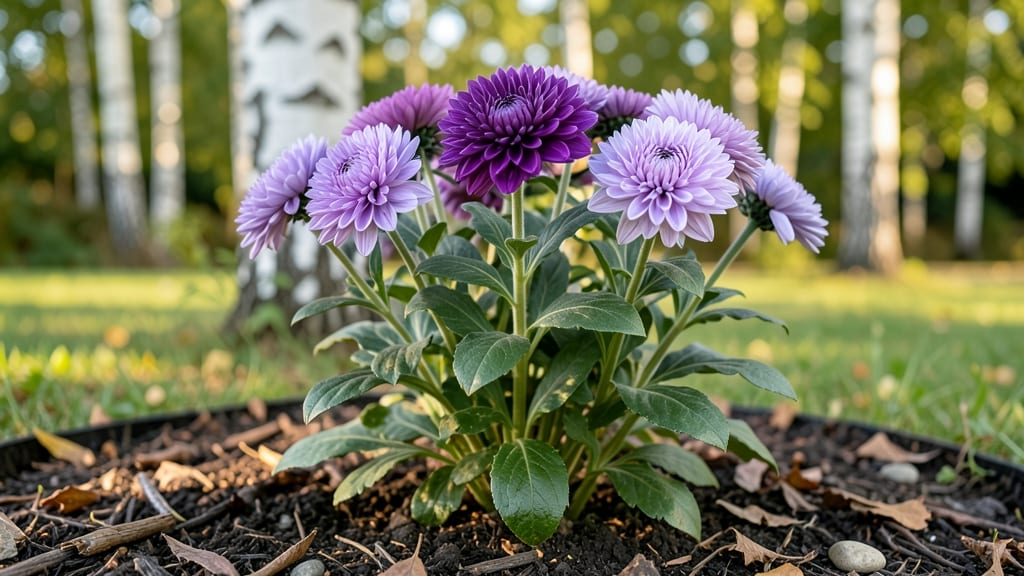
Garden mums typically last 4-8 weeks in full bloom when planted in late summer, but proper care can extend their lifespan by up to 6 weeks. Deadheading spent blooms and providing consistent moisture helps prolong their vibrant display into early fall or even winter in mild climates.
Garden mums thrive when planted in late summer, but their bloom duration depends heavily on where you live and how you care for them. 🌸 In cooler climates, they may only last 4-6 weeks before frost hits, while in warmer regions, they can continue blooming for 8-10 weeks with the right conditions.
The key is consistent moisture—letting them dry out stresses the plants and shortens their lifespan. I've seen mums in containers last even longer when moved to sheltered spots before the first frost.
What really makes a difference is deadheading—removing faded blooms regularly encourages new flowers to form. This simple step can add 2-4 extra weeks of vibrant color. For those in colder zones, choosing hardier varieties like 'Autumn Joy' or 'Purple Dome' helps them withstand early frost better than delicate types.
💡 In This Article
- Factors That Determine Garden Mum Longevity
- Step-by-Step Care to Extend Mum Blooms
Factors that determine garden mum longevity
Garden mums thrive within a precise temperature range of 55-75°F for optimal blooming. When nighttime temperatures dip below 45°F, the plants experience stress that accelerates bloom decline. In regions like the Pacific Northwest, where evenings can drop to 40°F by October, mums often fade within 3-4 weeks unless protected.
The hardiest varieties, such as 'Autumn Joy', can tolerate brief dips to 32°F but still show reduced vigor compared to their peak performance in 65-70°F conditions.
Soil quality plays an equally critical role—mums prefer well-draining soil with a slightly acidic pH of 6.0-6.5. Heavy clay soils retain too much moisture, leading to root rot and shortening bloom time by 2-3 weeks.
Amending soil with compost improves drainage while providing essential nutrients like phosphorus, which directly fuels flower production. I've observed that mums in amended soil maintain vibrant blooms 10-15% longer than those in unamended garden beds.
Sunlight exposure creates another critical variable: mums require 6-8 hours of direct sunlight daily to sustain their energy-intensive blooming process. In partial shade (3-6 hours of sun), they produce 30-40% fewer blooms and last 1-2 weeks shorter.
The deep purple hues of 'Purple Dome' mums, for example, fade faster in shade because chlorophyll production increases, diluting their pigment intensity. Conversely, in full sun, their colors remain vivid and saturated throughout their bloom cycle.
Variety selection represents the final key factor. Tender mums like 'Snowball' bloom profusely but wilt at the first frost, while hardy types such as 'Autumn Beauty' can persist until 20°F with proper care.
The difference lies in their genetic cold tolerance—hardy mums develop thicker stems and deeper root systems that store more carbohydrates for winter survival. This physiological adaptation allows them to rebound in spring, whereas tender varieties complete their lifecycle in a single season.
Consider these environmental interactions: a mum planted in full sun with well-draining soil in a 55-75°F climate will typically bloom 2-3 weeks longer than one in partial shade with poor soil drainage.
The cumulative effect of these factors explains why some gardeners achieve 10+ weeks of blooms while others struggle with 4-week displays—it's not just about the plant, but the entire growing environment.