
Planting
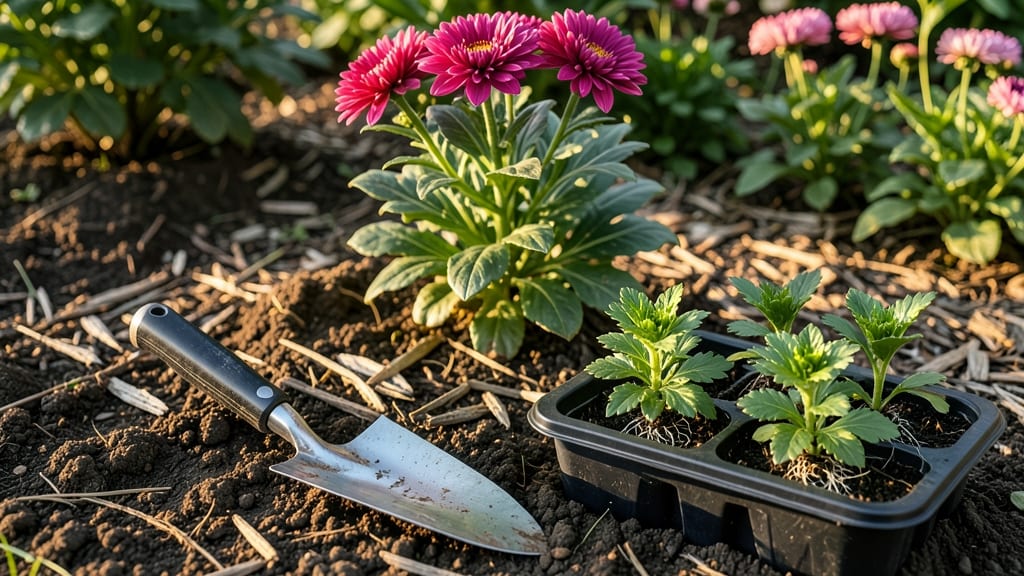
Yes, you can plant garden mums directly in the ground, but their success depends entirely on your climate zone and the specific variety you choose. Hardy types survive winters in zones 5-9, while tender varieties require careful fall planting and winter protection. Always use well-draining soil and full sun exposure.
Garden mums are incredibly adaptable, and many varieties actually thrive when planted in garden beds rather than containers. 🌿 The key difference lies in their cold tolerance—hardy mums like 'Autumnal Luxury' or 'Papa' series can withstand temperatures down to -15°F, while others may need winter mulching or frost blankets.
For regions with harsh winters, I recommend starting with established plants rather than seeds, as they've already developed stronger root systems to handle cold snaps.
When planting, focus on soil preparation first: mix in compost to improve drainage, and space plants 12-18 inches apart for proper airflow. After the first frost, apply a thick layer of straw mulch (4-6 inches) to insulate roots.
In my experience, the timing of fall planting is crucial—aim for 6-8 weeks before your first expected frost date to give roots time to establish before winter sets in.
💡 In This Article
- Cold-Hardy Garden Mum Varieties for Year-Round Planting
- Step-by-Step Guide to Planting and Overwintering Garden Mums
Cold-hardy garden mum varieties for year-round planting
The secret to successfully planting garden mums in the ground lies in selecting the right variety for your climate zone. Hardy garden mums, like those in the Chrysanthemum morifolium family, have been bred specifically to survive winter temperatures.
For example, the 'Autumnal Luxury' series can endure down to -15°F, while the 'Papa' series handles -10°F without protection. These varieties develop a strong root system that stores energy for spring regrowth, unlike tender types that die back completely in cold weather.
What sets cold-hardy mums apart is their ability to enter dormancy—a natural survival mechanism where the plant conserves energy by slowing metabolic processes.
During dormancy, the plant's cells produce antifreeze proteins that prevent ice crystals from forming in their tissues, similar to how some trees survive freezing conditions. 🌱 In zones 5-9, these varieties can remain planted year-round with minimal winter care, whereas tender mums need to be dug up and stored indoors or planted in spring.
When choosing varieties, pay attention to the USDA zone ratings on seed packets or plant tags. For instance, 'Bright Lights' mums thrive in zones 7-11 but may need winter protection in zone 6, while 'Mammoth' types are rated for zones 5-9.
I've found that fall-blooming varieties often have better cold tolerance than spring-blooming ones, as they've had more time to establish strong roots before winter. The key is matching your local winter lows with the variety's hardiness rating—even a 5°F difference can mean the difference between survival and loss.
Another important factor is flower type. Pompon and spray mums tend to be hardier than large, single-flower varieties because their compact growth habit allows for better heat retention in the root zone.
For example, the 'Dynasity' series features dense, spherical blooms that protect the plant's center from harsh winds and frost. This structural advantage helps them withstand winter conditions that might damage more delicate varieties.
If you're in a transitional zone (like zone 6), consider planting a mix of hardy and semi-hardy varieties. Semi-hardy types like 'Jolene' can survive light frosts but may need extra mulch.
Layering different varieties creates a more resilient garden bed, as some plants will thrive even if others struggle during particularly harsh winters. 💫 The diversity also extends your blooming season, with some varieties flowering in early fall and others in late fall or even spring.