
How To
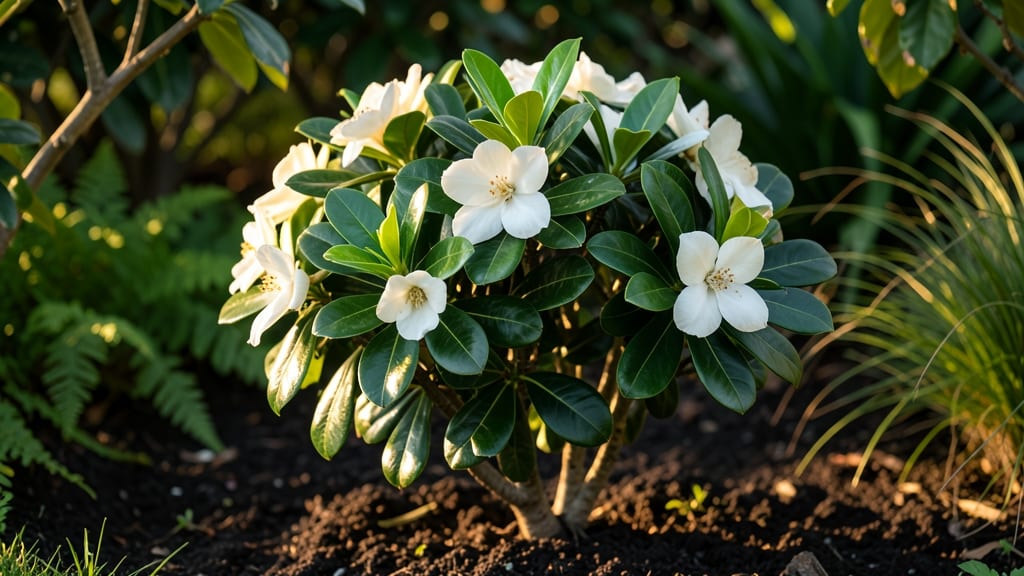
Gardenia bushes grow anywhere from 2 to 6 feet tall, depending on the variety and growing conditions, so choosing the right type for your space is the first step to success.
If you’re dreaming of fragrant gardenias but worried about whether they’ll overwhelm your yard, knowing their mature size is key—some varieties stay compact while others sprawl dramatically.
For example, the classic Gardenia jasminoides 🌸 can reach 4 to 6 feet with a spread of 3 to 5 feet, making it ideal for larger gardens or as a standalone specimen.
Dwarf varieties, on the other hand, top out around 2 to 3 feet, perfect for containers or small landscapes.
Below, I’ll break down the exact sizes by variety, how to space them for healthy growth, and when to prune to keep them at your desired height—so you can enjoy those intoxicating blooms without the guesswork.
Gardenia bush size by variety: height, spread & growth habits
If you’re planning to add gardenias to your landscape, knowing their mature size helps you choose the right variety for your space. Gardenias like Gardenia jasminoides and Gardenia augusta can vary dramatically—some stay compact while others grow into small trees.
Let’s break down the most popular types so you can pick the perfect fit for your garden.
Most gardenias fall into three size categories: dwarf (2–3 ft), semi-dwarf (3–4 ft), and standard (4–6 ft). Their spread can be just as important as their height, especially if you’re planting them near walkways or patios.
For example, a 6-ft gardenia with a 5-ft spread will need plenty of room to thrive without crowding other plants.
The growth rate also varies by variety. Some gardenias grow slowly, adding only a few inches per year, while others can shoot up 12–18 inches annually if given ideal conditions. Understanding these differences ensures you won’t end up with an overgrown bush that blocks sunlight for other plants.
Here’s a quick comparison of common gardenia varieties to help you visualize their mature sizes:
| Variety | Mature Height | Mature Spread | Growth Rate | Best For |
|---|---|---|---|---|
| Gardenia jasminoides 'Kleim's Hardy' | 3–4 ft | 3–4 ft | Slow (6–12 in/year) | Cold-hardy gardens, containers |
| Gardenia jasminoides 'Radicans' | 2–3 ft | 3–5 ft | Moderate (12 in/year) | Ground cover, slopes, borders |
| Gardenia jasminoides 'Fortuniana' | 4–6 ft | 4–6 ft | Moderate (12–18 in/year) | Privacy screens, hedges |
| Gardenia jasminoides 'Veitchii' | 5–7 ft | 5–7 ft | Fast (18+ in/year) | Tall hedges, focal points |
| Gardenia augusta 'Crest' | 2–3 ft | 2–3 ft | Slow (4–8 in/year) | Containers, small gardens |
The 'Radicans' variety, for example, is perfect for slopes or borders because its sprawling habit creates a lush, fragrant ground cover. Meanwhile, 'Veitchii' grows tall enough to serve as a natural privacy screen, reaching heights comparable to a small tree.
If you’re working with limited space, dwarf varieties like 'Crest' or 'Kleim's Hardy' are ideal for containers or small gardens.
Gardenias also grow at different rates based on soil quality and sunlight exposure. In rich, acidic soil with partial shade, they’ll grow faster and produce more blooms. Poor soil or harsh sunlight can stunt their growth, keeping them smaller but also reducing their fragrance and flower production.
When planning your garden layout, consider how much space each gardenia will need to mature. A 6-ft gardenia planted too close to a 4-ft shrub will eventually overshadow it, while a 2-ft dwarf can fit snugly in a mixed border.
Always leave 3–5 feet of clearance around larger varieties to ensure airflow and prevent disease.
For container gardening, choose dwarf varieties or prune standard types regularly to keep them under control. A 3-gallon pot is ideal for 2-ft gardenias, while larger containers (10+ gallons) are needed for 4-6 ft varieties.
Just ensure the pot has drainage holes to prevent root rot, a common issue with gardenias.
If you’re unsure which variety to pick, start with 'Kleim's Hardy'—it’s cold-hardy, compact, and perfect for beginners. For a dramatic statement, go for 'Veitchii', but be prepared to prune it annually to maintain its shape and size. No matter
Ideal spacing & planting tips to prevent overcrowding
Proper spacing is the secret to happy, healthy gardenias that thrive without competing for resources. Most varieties need 3-5 feet of space between plants to mature comfortably, but this varies by type. Overcrowding leads to stunted growth, fewer blooms, and even disease—so plan ahead!
Start by checking your gardenia’s mature size (height + spread). Dwarf varieties like 'Radicans' stay under 3 feet tall, while standard types like 'Gardenia jasminoides' can reach 6 feet. Planting them too close forces roots to compete, weakening both plants.
🌿 How Big Do Gardenia Bushes Get?
- Dwarf varieties: 2–3 ft tall, 2–3 ft wide (e.g., 'Radicans')
- Semi-dwarf: 3–4 ft tall, 3–4 ft wide (e.g., 'Fortuniana')
- Standard: 4–6 ft tall, 4–6 ft wide (e.g., 'Gardenia jasminoides')
- Spacing rule: 3x width between plants for airflow
- Container tip: Use 15–20 gallon pots for standard types
Soil quality plays a huge role in controlling size. Gardenias crave acidic, well-draining soil (pH 5.0–6.5). Amend clay soil with peat moss or pine bark to prevent root rot, which can stunt growth. A 3-inch mulch layer also helps retain moisture and regulate temperature.
Pruning is your best tool to manage size naturally. Lightly trim leggy stems in early spring to encourage bushier growth, and remove dead or crossing branches year-round. Avoid heavy pruning—it stresses the plant and can reduce flowering. For compact shapes, prune just after blooming.
Common mistakes like planting too deep (burying the graft union) or over-fertilizing with nitrogen (promotes foliage over flowers) can make gardenias grow too large. Always use a balanced fertilizer (10-10-10) in spring and summer, and water deeply but infrequently to avoid shallow root systems.
For container gardenias, choose pots with drainage holes and upgrade sizes by 2 inches every 2–3 years. Place them where they’ll get morning sun and afternoon shade—this prevents heat stress and keeps growth manageable.
With the right spacing and care, your gardenias will stay lush without taking over your yard! 🌸