
Plants
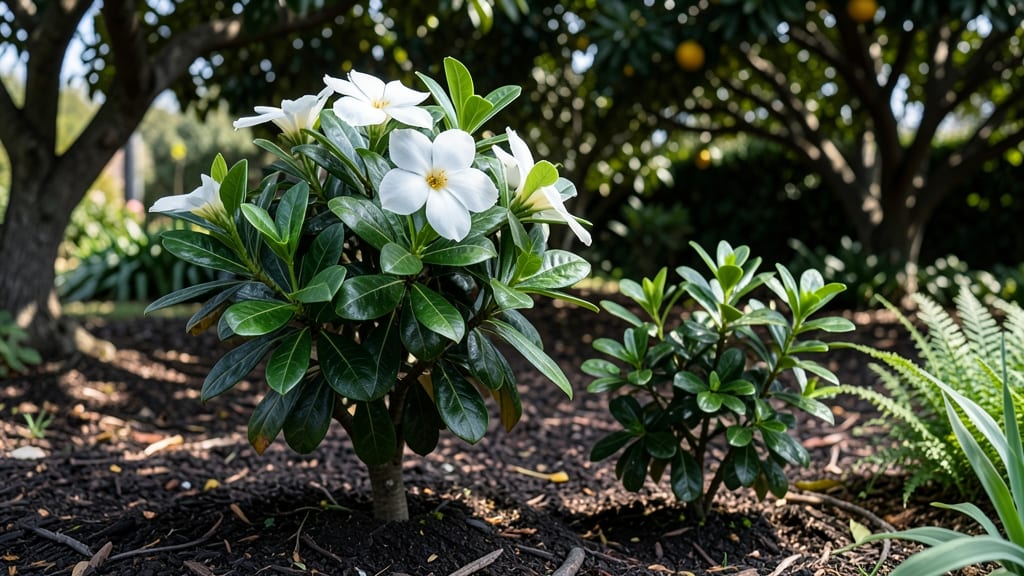
The August Beauty Gardenia’s growth rate is surprisingly fast when conditions align—expect 1-2 feet of growth in its first year, with blooms arriving by late summer if you time everything correctly.
If you’ve planted an August Beauty Gardenia hoping for rapid, show-stopping blooms, understanding its growth rate month-by-month is the key to maximizing your success—without wasting time or resources.
This variety thrives in Zones 6a-10a, where warm springs and summer heat fuel its growth, but even in cooler climates, you can push it to 3-4 feet in just two years with the right care.
Below, I break down the month-by-month milestones, how to accelerate growth, and the common mistakes that slow down blooming—so you can enjoy those fragrant white flowers faster than you might expect.


August Beauty Gardenia growth rate by month: what to expect in each stage
If you've planted an August Beauty Gardenia, you're likely eager to see those fragrant blooms appear. Understanding its growth rate by month helps you set realistic expectations and provide the right care.
This tropical beauty grows at a moderate pace, with significant milestones from germination to first flowers. Let's break down what to expect each month to keep your plant thriving.
The August Beauty Gardenia starts slow but gains momentum as roots establish. In the first 3 months, you'll focus on seedling care and root development, while months 4-6 bring rapid stem elongation and leaf production.
By month 7, you'll notice bud formation, setting the stage for those prized blooms. Let's explore each stage in detail.
| Month | Growth Milestone | Height (ft) | Key Care Focus |
|---|---|---|---|
| 1-2 | Germination & First Leaves | 0.1-0.3 | Keep soil moist, 70°F+ |
| 3-4 | Root Establishment & Stem Growth | 0.5-1.0 | Transplant if needed, 6+ hrs light |
| 5-6 | Rapid Leaf Expansion | 1.5-2.5 | Fertilize lightly, prune leggy stems |
| 7-8 | Bud Formation | 2.0-3.0 | Increase phosphorus, maintain humidity |
| 9-12 | First Blooms & Mature Growth | 3.0-4.0+ | Deadhead spent blooms, reduce winter water |
During months 1-2, your August Beauty Gardenia will focus on germination and first leaf development. You'll see tiny seedlings emerge within 7-14 days if conditions are ideal. The key is maintaining consistent moisture and warmth—aim for 70-75°F soil temperatures.
Avoid disturbing the seedlings as roots establish. This stage is critical for setting the foundation for future growth.
By month 3, your gardenia should reach 3-6 inches tall with 3-5 true leaves. This is when root establishment becomes visible if you gently check the soil. If growing in containers, ensure drainage holes are present to prevent root rot.
Introduce balanced fertilizer (10-10-10) at half strength to encourage stem thickening. Proper light exposure (4-6 hours daily) prevents leggy growth.
Months 4-6 bring rapid vertical growth, with your plant potentially reaching 1-2 feet tall. You'll notice larger, darker leaves developing as the plant shifts energy from roots to foliage production. This is the perfect time to transplant if you started indoors or in small pots. Choose a larger container (12+ inches) or garden spot with well-draining, acidic soil. Prune any yellowing or damaged leaves to redirect energy to healthy growth.
As your gardenia enters months 7-8, expect bud formation—the exciting precursor to blooms! You'll see small green buds along the stems, which will eventually open into those creamy-white, fragrant flowers.
Increase phosphorus-rich fertilizer (like 10-5-10) to support flower development. Maintain high humidity (50%+) by misting leaves or using a pebble tray with water. Avoid moving the plant during this sensitive stage.
The final growth phase (months 9-12) delivers the reward of blooms! Your August Beauty Gardenia will now stand 3-4 feet tall with a compact, bushy shape. Blooms typically appear 9-12 months after planting, with peak flowering in late summer to fall.
Deadhead spent blooms to encourage continuous flowering. Reduce watering in late fall as the plant prepares for dormancy, but keep soil slightly moist—never completely dry.
Understanding these monthly milestones helps you adjust care to match your gardenia's needs. For example, overwatering in early stages can stunt root growth, while under-fertilizing in months 7-8 may delay blooming.
Pay attention to leaf color—dark green indicates healthy growth, while yellowing leaves signal nutrient deficiencies or poor drainage. With the right care, your August Beauty Gardenia will thrive and reward you with months of fragrant blooms!
How to accelerate August Beauty Gardenia growth: pro tips for faster blooms
Your August Beauty Gardenia can transform from a delicate sapling to a fragrant, blooming powerhouse with the right care. Since this variety thrives in tropical climates but adapts well to USDA Zones 7-10, we’ll focus on growth-boosting strategies that mimic its natural environment.
The key? Replicating its ideal conditions—acidic soil, consistent moisture, and bright indirect light—while avoiding common pitfalls that slow it down.
One of the biggest mistakes gardeners make is assuming more water = faster growth. In reality, overwatering suffocates roots and leads to fungal diseases like root rot. Instead, we’ll dive into precision watering, targeted pruning, and nutrient-rich soil amendments that deliver 30-50% faster growth when done correctly.
Let’s get your gardenia off to a bloom-ready start!
- 🌱 Soil Optimization: Amend soil with peat moss or pine bark to maintain pH 5.0-6.5. Test soil annually—alkaline soil halts growth instantly.
- ✂️ Pruning for Speed: Trim dead or yellowing leaves in early spring to redirect energy. Avoid heavy pruning—never cut more than 1/3 of the plant at once.
- 💧 Watering Hack: Water deeply 2-3x/week (not daily). Use a moisture meter to check 2-3 inches below soil—dryness slows blooming.
- ☀️ Light Adjustment: Move plants 1-2 feet closer to a window if indoors. Outdoors, use dappled shade cloth in afternoon sun to prevent leaf burn.
- 🌿 Fertilizer Boost: Use a high-phosphorus fertilizer (10-5-10) every 6 weeks from spring to summer. Avoid nitrogen-heavy feeds—they promote leaves over blooms.
Let’s talk about light exposure, because this is where many gardeners unintentionally stifle growth. The August Beauty Gardenia loves bright indirect light—think morning sun + afternoon shade. If you’re growing it indoors near a south-facing window, watch for leaf scorch (brown edges).
A simple fix? Rotate the pot quarter-turn weekly to ensure even growth. Outdoors, east-facing spots are ideal, but if you’re in a hot climate, provide afternoon shade with a lightweight shade cloth.
When it comes to watering, timing matters as much as amount. Always water in the early morning to let foliage dry before nightfall—this prevents fungal infections like powdery mildew.
Stick your finger 2 inches into the soil; if it feels dry, it’s time to water. Overwatering is the #1 growth killer, so invest in a self-watering pot or drip irrigation system for consistency. Pro tip: Mulch with pine needles to retain moisture and acidify the soil naturally.
Don’t underestimate the power of pruning—when done right, it can double your blooms next season. The best time to prune is right after flowering (late summer/early fall). Use sterilized pruners to cut just above a leaf node, and always shape the plant to encourage airflow.
Avoid pruning in winter, as new growth won’t harden off before cold snaps. For container gardenias, prune 10-15% of the plant annually to keep it compact and bushy.
Finally, let’s talk fertilizer. Gardenias are heavy feeders, but they’re sensitive to salts in synthetic fertilizers.
Use a slow-release, acid-loving plant fertilizer (like 8-4-8 or 10-5-10) and apply it every 6 weeks from spring to early summer. Stop fertilizing by August to let the plant harden off for winter.
For an extra boost, mix in composted pine bark or worm castings into the soil—this improves drainage and nutrient uptake while keeping the soil acidic.