
Trees
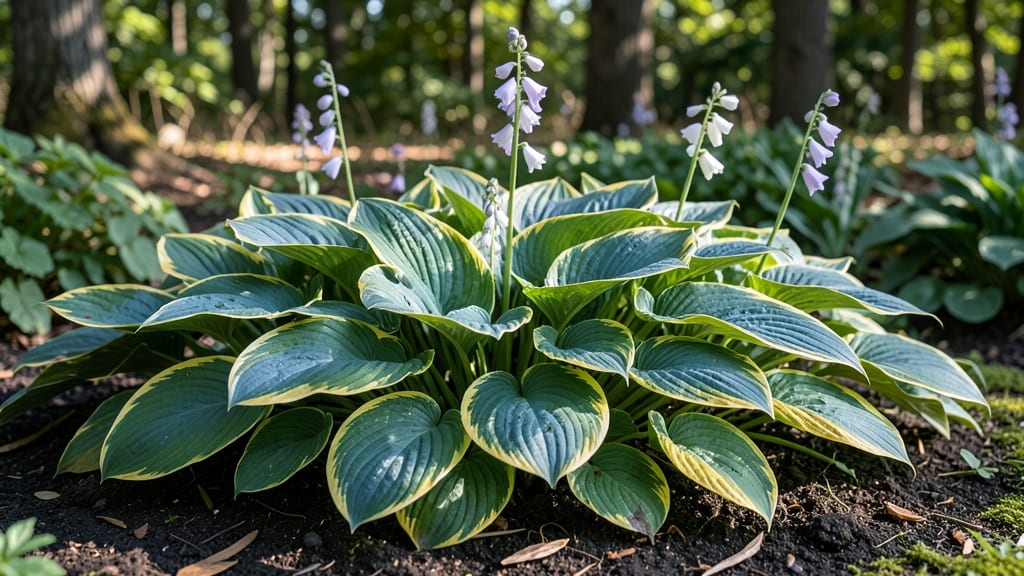
Creating stunning hosta gardens pictures depends on selecting foliage varieties with bold color contrasts—deep burgundies, vibrant chartreuse, and striking variegated patterns—that create visual depth, while mixing leaf textures like corrugated or smooth edges for dynamic garden photography.
Hostas offer an incredible palette for garden photography because their foliage colors change dramatically with light and season. 🌿 The deep purples and blues you see in morning shade often shift to golden hues by afternoon, while variegated varieties like 'June' create natural focal points.
I've found that pairing glossy-leaved hostas with matte finishes—such as 'Blue Angel' next to 'Francee'—adds three-dimensional interest that cameras capture beautifully. The key is to think about how each plant will look in different lighting conditions, especially when planning your garden's photo-worthy moments.
Don't overlook the importance of bloom times when selecting hostas for photography. While most varieties bloom in summer, some like 'Halcyon' produce delicate lavender flowers earlier in the season, while others like 'Guacamole' bloom later.
This staggered flowering creates visual interest throughout the growing season, giving you more opportunities to capture striking garden images. I recommend planting a mix of early, mid, and late bloomers to ensure continuous photographic inspiration.
💡 In This Article
- How Hosta Foliage Colors Create Stunning Garden Visuals
- Best Hosta Varieties for High-Impact Garden Photography
How hosta foliage colors create stunning garden visuals
The vibrant colors in hosta leaves come from three key pigments working together: chlorophyll (green), anthocyanins (purples/reds), and carotenoids (yellows/oranges). Chlorophyll dominates in sunlight, but when shaded—like in garden conditions—anthocyanins take over, creating those rich blues and purples.
For example, 'Blue Angel' appears deep blue in morning shade but shifts to green by afternoon as chlorophyll reasserts itself. 🌿 This color-changing behavior creates dynamic visuals perfect for photography, especially when you capture the same plant at different times of day.
Leaf texture plays just as important a role as color. Hostas with corrugated leaves like 'Patriot' create natural shadows that add depth to garden pictures, while smooth varieties like 'Francee' reflect light differently, creating a contrasting matte finish.
The ribbed edges of 'Halcyon' catch light beautifully in backlighting, while the broad, wavy leaves of 'June' create movement in still photographs. This texture contrast is what makes hosta gardens visually interesting—it's not just about color but how those colors interact with light and shadow.
Color combinations work best when they create visual contrast. Pairing deep purple hostas like 'Blue Mouse Ears' with bright chartreuse varieties like 'Francee' creates immediate eye-catching contrast, while mixing gold-edged hostas with solid green ones adds subtle sophistication.
The science behind this is how our eyes perceive complementary colors—purples and yellows naturally draw attention together, while blues and oranges create calming harmony. This color theory principle is why professional garden photographers often arrange hostas in these complementary pairs.
Light conditions dramatically affect how hosta colors appear in photos. Morning light enhances blues and purples, while afternoon sun brings out golds and yellows. The angle of light also matters—side lighting accentuates leaf textures, while backlighting creates dramatic silhouettes.
I've found that shooting hostas during the 'golden hours' (first light after sunrise or last light before sunset) produces the most vibrant colors, with shadows adding depth to the foliage. This natural lighting effect is what makes hosta gardens so photogenic.
Don't forget about seasonal color changes. Many hostas develop autumn tints—deepening purples, fiery oranges, or rich bronzes—that create completely different photographic opportunities. Varieties like 'Royal Standard' turn nearly black in fall, while 'Guacamole' develops golden edges.
Planning your garden with these seasonal transformations in mind ensures you'll have visual interest throughout the year, not just during peak summer foliage. This temporal dimension adds another layer to your garden photography.
For maximum impact, consider how hosta colors will look in different photographic compositions. A close-up of a single variegated leaf like 'June' shows off intricate patterns, while a wide shot of a hosta border creates rhythmic repetition.
The key is to think about both the macro (individual plants) and micro (overall arrangement) perspectives when selecting varieties. This dual approach ensures your hosta garden will be visually compelling whether you're capturing intimate details or sweeping landscapes. 📸