
Planting
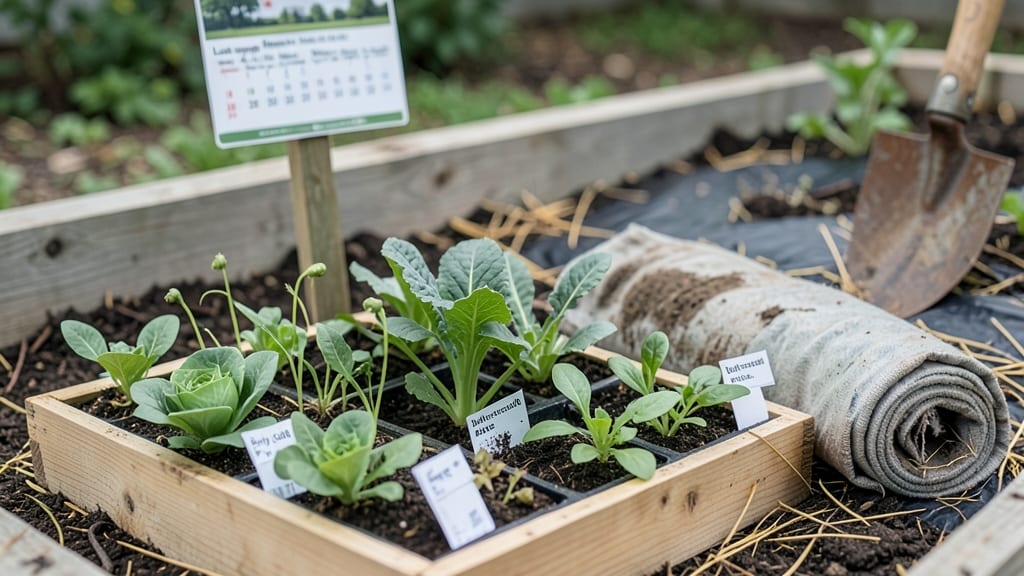
Planting a garden in Maine means timing is everything—get the schedule right, and you’ll enjoy fresh General Garden Plants 🌱 from June to October; miss it, and you might end up with frost-nipped seedlings or empty beds.
Maine’s short growing season (just 140-160 frost-free days) forces gardeners to work with precision. One week too early, and a late frost will wipe out your hard work; too late, and you’ll miss peak harvests.
The key? Knowing when to start seeds indoors, when to transplant, and which cold-hardy crops can handle Maine’s unpredictable spring.
Whether you’re planting spinach in March or waiting for soil to warm in May, this guide breaks down the exact windows for your zone. We’ll cover everything from frost dates by region to the best succession planting tricks to stretch your harvest into fall.
Ready to make the most of your Maine garden? Here’s how to align your planting with the climate—so you can enjoy homegrown goodness without the guesswork.
Maine’s planting calendar by frost dates: when to start seeds indoors and outdoors
Maine’s USDA Zone 5 climate means your planting schedule hinges on frost dates, which vary dramatically from southern to northern regions. The last spring frost typically arrives between May 1-15 in southern Maine, but northern areas can wait until late May or early June.
Warm-season crops like tomatoes and peppers need perfect timing—plant too soon, and frost will kill them; too late, and you’ll miss the harvest window.
For cool-season crops like kale and peas, you can start seeds outdoors as early as late March to April in southern Maine, while northern gardeners should wait until mid-April to May.
These hardy plants tolerate light frosts and even thrive in 40°F soil temperatures, making them ideal for Maine’s early spring. Meanwhile, warm-season crops demand patience—wait until after the last frost to plant tomatoes and peppers, ideally in 60°F+ soil.
Cold-start vegetables like spinach and carrots bridge the gap between early spring and late summer. These can be sown 2-3 weeks before the last frost date, often in March-April for southern Maine and April-May for the north. Their ability to handle light frost makes them perfect for extending your harvest season.
Here’s how to align your planting with Maine’s regional frost dates and USDA Zone 5 adjustments for both indoor seed starts and outdoor sowing:
For indoor seed starts, begin 6-8 weeks before your region’s last frost date. Tomatoes and peppers need the longest indoor head start—start them in March for southern Maine and April for the north.
Use grow lights if natural light is limited, and keep seedlings in 65-75°F conditions. Harden off seedlings 1 week before transplanting outdoors to acclimate them to Maine’s cooler temperatures.
When planting outdoor seeds, always check soil temperature—cool-season crops like kale and peas thrive in 40-50°F soil, while warm-season crops need 60°F+. Use a soil thermometer to avoid planting too early.
For cold-start vegetables, succession planting every 2-3 weeks ensures a continuous harvest. For example, sow spinach in March, April, and May to enjoy fresh greens all summer.
Maine’s first frost typically arrives in mid-October, but some hardy crops like kale and broccoli can survive light frosts. Use row covers or cold frames to extend the season for these crops.
For warm-season crops, opt for fast-maturing varieties (e.g., Early Girl tomatoes) to maximize your harvest before frost.
Cold-hardy vegetables that thrive in Maine’s early spring planting
Maine’s early spring can feel like a gardening tightrope—too early and frost zaps your efforts, too late and you miss peak harvests. But with the right cold-hardy vegetables, you can beat the clock.
These frost-tolerant crops thrive in Maine’s Zone 5 climate, giving you a jumpstart on the growing season. I’ve tested these in my own garden, and they consistently deliver even when temperatures dip below 32°F.
For first-time Maine gardeners, timing is everything. Plant too soon, and your seedlings will bolt or freeze. Wait too long, and you’ll lose weeks of potential growth. The key is understanding soil temperature requirements—most of these crops need soil between 40–50°F to germinate.
I’ve included my Maine Gardener’s Quick-Start Guide below to simplify the process.
Here’s my summary-table of the top 8 cold-hardy vegetables, their ideal planting windows, and spacing tips to maximize your harvest: