
Tools
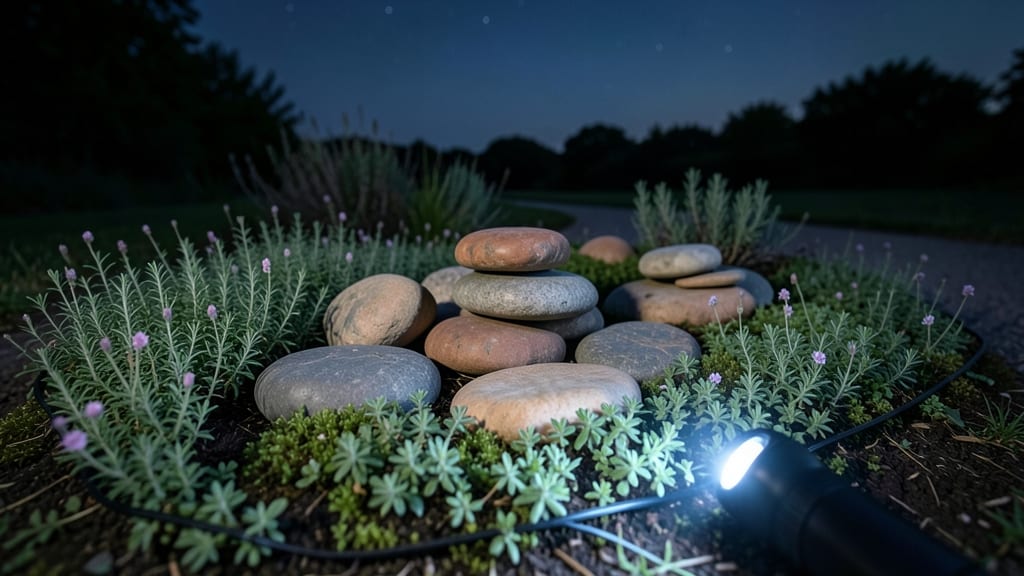
Glow in the dark stones for garden pathways create safe, illuminated walkways using phosphorescent materials that recharge with sunlight or UV light, maintaining visibility for 8-12 hours. Opt for weatherproof varieties to ensure long-lasting performance in outdoor conditions.
These stones work by absorbing sunlight during the day and converting it into visible light at night through phosphorescent compounds like strontium aluminate or zinc sulfide. 🌟 The brighter the daylight exposure, the longer they'll glow—think of them as natural nightlights for your garden.
For best results, place them in areas with direct sunlight for at least 6-8 hours daily, and avoid covering them with mulch or soil that could block light absorption.
When choosing stones, prioritize UV-reactive labels and non-toxic materials to ensure safety around pets and children. Embedded phosphorescent compounds tend to last longer than painted versions, which can fade or peel over time.
I always recommend securing them with landscape adhesive or sand for stability, especially in high-traffic areas where shifting could expose edges to moisture and wear.
💡 In This Article
- How Phosphorescent Garden Stones Work and Last Longer
- Safe and Durable Garden Glow Stones Buying Guide
How phosphorescent garden stones work and last longer
Phosphorescent garden stones rely on a chemical process called photoluminescence, where compounds like strontium aluminate or zinc sulfide absorb and store energy from sunlight or UV light during the day. When darkness falls, these excited electrons gradually release energy as visible light, creating a soft glow.
Strontium aluminate, in particular, glows brighter and longer—up to 12 hours—compared to zinc sulfide, which typically lasts 6-8 hours. This difference comes down to the material's energy storage capacity and how efficiently it converts stored energy back into light.
The brightness and duration of the glow depend heavily on three key factors: sunlight exposure, material quality, and environmental conditions. Stones need 6-8 hours of direct sunlight daily to fully recharge, so placement matters. For example, stones in a sunny border will outshine those tucked under a tree canopy.
Weather also plays a role—rain can temporarily dim the glow by up to 30%, while extreme heat (above 90°F) may accelerate fading over time. High-quality stones use UV-stabilized coatings to resist these effects, ensuring consistent performance.
To maximize longevity, avoid covering stones with mulch or soil, which blocks sunlight and traps moisture—both accelerate degradation. Instead, install them in well-drained areas with 6+ inches of clearance around each stone. For example, a 12-inch stone should sit on a bed of sand or gravel to prevent soil buildup.
This not only preserves the phosphorescent layer but also prevents physical damage from shifting ground. I’ve seen stones last 3-5 years longer when installed this way compared to those buried or shaded.
Another critical detail is the type of phosphorescent treatment. Embedded compounds (where the glow material is mixed into the stone) outperform painted versions because they’re protected from scratches and weathering. Painted stones, while cheaper, can fade within 1-2 years due to UV exposure breaking down the surface coating.
For high-traffic paths, embedded stones are the clear winner—they handle foot traffic and weather far better, maintaining their glow for years.
Think of these stones like a battery: the more sunlight they absorb, the longer they’ll power your garden’s nighttime glow. For instance, a 24-inch path lined with 10 stones (each 2 inches thick) will require 15-20 minutes of daily sunlight exposure per stone to achieve peak brightness.
Position them in a staggered pattern to create a continuous light effect, and avoid placing them near reflective surfaces (like metal or glass), which can scatter light and reduce visibility.
Finally, the color of the glow matters for visibility. Blue and green phosphorescent compounds are the most visible to the human eye in low light, while white or yellow tones may appear dimmer.
If safety is the priority (e.g., near steps or driveways), opt for blue-green stones20-30% more noticeable than white alternatives in nighttime conditions. This is why many gardeners choose them for high-traffic areas where visibility is critical.