
Tools
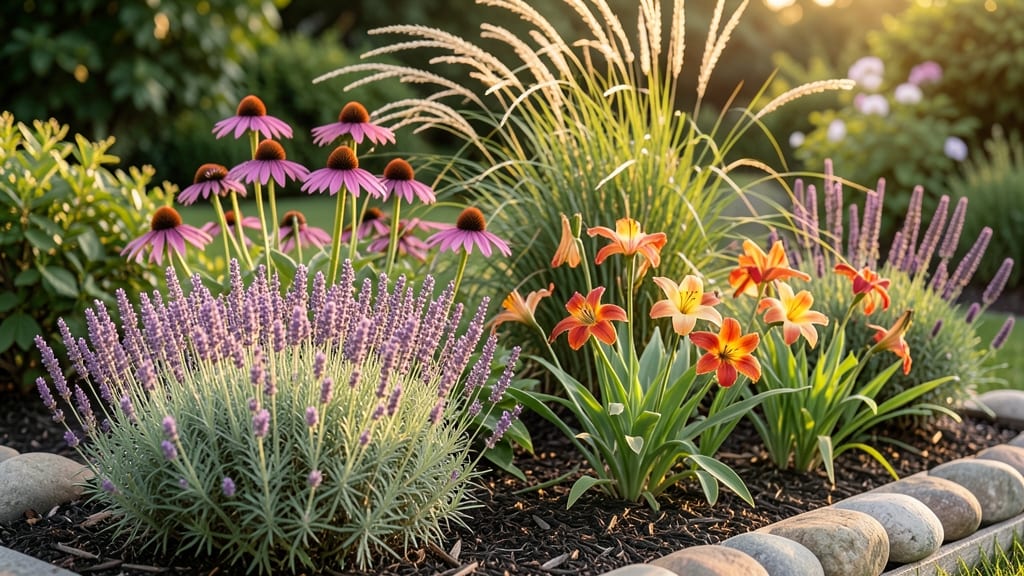
The best place for a garden depends on sunlight, soil, and space—but getting it right can turn a struggling plot into a lush, productive oasis. 🌱
Picture this: you’ve spent hours prepping soil, choosing seeds, and dreaming of a bountiful harvest, only to watch your plants wilt because they’re in the wrong spot. The right location isn’t just about extra room; it’s about matching your plants’ needs to where the sun, wind, and water play together.
From full-sun spots for tomatoes to shady corners for ferns, we’ll break down how to assess your yard, work with what you’ve got, and even turn balconies or containers into thriving gardens.
Whether you’re in a sprawling backyard or a tiny urban patch, the secrets to success start with the ground beneath your feet.
Discover how to read your landscape like a pro, spot hidden microclimates, and avoid common mistakes that waste time and plants. By the end, you’ll know exactly where to dig—and what to plant there for the best results.
Sunlight requirements for the best garden location
Choosing the right sunlight spot for your garden is the first step to success. Too much sun can scorch delicate plants, while too little leaves vegetables weak and leggy. The key is matching each plant’s sunlight needs to your garden’s microclimate.
I’ve planted everything from sun-loving tomatoes to shade-tolerant hostas, and I’ll share what works—and what doesn’t—in my own yard.
Most gardeners assume "full sun" means any sunny spot, but the truth is more nuanced. 6+ hours of direct sunlight qualifies as full sun, while 3-6 hours is partial shade, and anything under 3 hours is low light.
Your garden’s orientation and obstacles (like trees or buildings) drastically alter sunlight exposure. For example, my south-facing raised bed gets scorching afternoon sun, while the north side stays cooler and shadier.
🌱 Plant Placement Matters: Here’s how to match plants to sunlight zones in your yard.
| Plant Type | Sunlight Needs | Water Needs | Mature Size | Best For |
|---|---|---|---|---|
| Tomatoes | Full sun (6-8+ hrs) | High (1-2" weekly) | 3-6 ft tall | Vegetable gardens |
| Peppers | Full sun (6+ hrs) | Medium (1" weekly) | 1-3 ft tall | Containers or beds |
| Basil | Partial sun (3-6 hrs) | Medium (1" weekly) | 1-2 ft tall | Herb gardens |
| Hostas | Partial shade (3-4 hrs) | Low (1" bi-weekly) | 1-3 ft tall | Shady borders |
| Ferns | Low light (<3 hrs) | Medium (keep moist) | 1-2 ft tall | Woodland gardens |
| Sunflowers | Full sun (6-8 hrs) | Medium (1-1.5" weekly) | 6-12 ft tall | Cut flower beds |
If you’re planting tomatoes or peppers, prioritize the sunniest spot in your yard—these plants thrive with 6-8+ hours of sunlight. I once placed my tomato plants under a partial shade cloth during peak summer heat, and the yield dropped by 40%.
On the flip side, hostas and ferns wilt in full sun; they’re perfect for north-facing beds or areas blocked by trees. My basil does best in morning sun with afternoon shade, proving that even "partial sun" plants have preferences.
Don’t overlook seasonal sun shifts. A spot might get full sun in summer but only partial shade in winter. I test locations by placing a white board in the garden for a week—marking shadows every hour reveals how sunlight changes.
This simple trick saved me from planting sun-lovers in a spot that turns shady by afternoon. For container gardens, rotate pots weekly to ensure even sunlight exposure on all sides.
Urban gardeners often struggle with limited sun. If your space gets less than 3 hours of sunlight, focus on low-light plants like spinach, lettuce, or parsley. I’ve grown thriving microgreens under grow lights in a north-facing window, proving that even indoor gardens can flourish with the right setup.
For outdoor shade gardens, mix in impatiens or coleus for vibrant color without the sun
Top 3 soil types for a thriving garden and where to find them
Not all soil is created equal—your plants’ success depends on the soil type in your garden. Whether you have clay-heavy, sandy, or loamy soil, each offers unique benefits (and challenges).
Understanding these differences helps you amend soil for optimal plant growth. Let’s explore the best soil types and where to find them naturally in your yard.
Loamy soil is often considered the gold standard for gardening because it balances drainage, nutrients, and moisture retention. Sandy soil drains too quickly, while clay soil holds water like a sponge.
Knowing your soil type helps you adjust conditions for the plants you love. Ready to dig deeper? Let’s break down the pros and cons of each type.
Soil Type Comparison
| Soil Type | Pros | Cons | Best For |
|---|---|---|---|
| Loamy | Balanced drainage & nutrients Retains moisture without sogginess Rich in organic matter |
Rare in nature Requires maintenance Can compact over time |
Vegetables, flowers, herbs |
| Sandy | Excellent drainage Warms up quickly in spring Low risk of root rot |
Poor nutrient retention Dries out fast Needs frequent watering |
Root crops (carrots), drought-tolerant plants |
| Clay | Holds nutrients well High moisture retention Good for moisture-loving plants |
Poor drainage Can become waterlogged Hard to work when dry |
Perennials, shrubs, some vegetables |
🌱 Tip: Mix compost into clay soil to improve drainage, or add organic matter to sandy soil to boost nutrients.
To identify your soil type, perform a simple squeeze test. Grab a moist handful and press it—if it crumbles easily, it’s sandy. If it holds shape but breaks when dropped, it’s loamy.
If it stays in a firm ball, you’ve got clay. Once you know your type, you can amend it with compost, peat moss, or sand to create the perfect growing medium.
If your yard lacks ideal soil, consider raised beds or container gardening. These let you control soil composition entirely, making them perfect for urban gardens or areas with poor native soil.
For example, fill raised beds with a mix of topsoil, compost, and perlite to mimic loamy conditions.
Don’t overlook community resources like local gardening groups or soil testing labs. Many extension offices offer affordable soil tests to analyze pH levels and nutrient content. Armed with this info, you can tailor amendments for your specific plants—whether you’re growing tomatoes, roses, or herbs.
Remember, the best soil type depends on your plants’ needs. Experiment with amendments, and don’t hesitate to rotate crops to maintain soil health. With the right approach, even challenging soil can become a thriving garden paradise! 🌿