
Tools
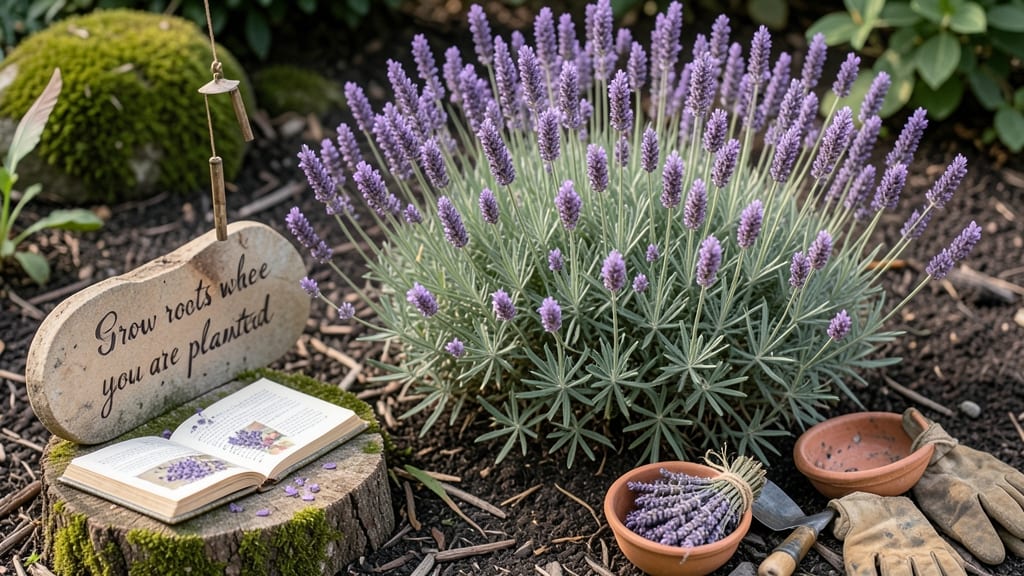
Gardening spirituality quotes help gardeners deepen their bond with nature by weaving mindfulness and reverence into everyday tasks like planting and harvesting. These words transform routine work into sacred acts, reminding us to honor both the earth's cycles and our own spiritual growth through the garden's quiet lessons.
These quotes often draw from ancient traditions where gardening wasn't just labor but a spiritual practice—think of Buddhist monks tending Zen gardens or Native American tribes planting with ceremonial care. 🌱 The magic happens when you let them shift your perspective, turning weeding into meditation or composting into an act of gratitude.
I've found the most powerful ones aren't just pretty words but living instructions for how to slow down and truly see the sacred in soil, seeds, and seasons.
Many focus on impermanence, like the Japanese concept of wabi-sabi, which finds beauty in decay—perfect for gardeners who see value in both blooms and withered leaves. Others emphasize interconnection, reminding us that every plant, insect, and raindrop plays a role in the garden's greater story.
The best quotes become companions in your gardening journal or etched on wooden stakes, serving as daily mantras when motivation wanes.
💡 In This Article
- How Ancient Wisdom Shapes Modern Gardening Spirituality
- Best Spiritual Gardening Quotes for Daily Reflection
How ancient wisdom shapes modern gardening spirituality
Ancient gardening traditions treated cultivation as a spiritual practice, not just physical labor. In Taoist philosophy, for example, the I Ching (Book of Changes) associates planting with the Kan hexagram, symbolizing receptivity and the earth's nurturing power.
This mirrors how modern permaculturists design gardens to work with natural cycles rather than against them—like planting nitrogen-fixing clovers alongside heavy feeders to mirror the soil's self-sustaining wisdom.
The Japanese wabi-sabi aesthetic, with its embrace of imperfection, directly influences contemporary sacred gardening. A karesansui (Zen rock garden) uses raked gravel to represent water and wind, teaching mindfulness through repetitive motion.
Today's gardeners adapt this by creating "contemplation beds" with irregular stone paths or moss-covered corners, where each weed pulled becomes a moment of presence. The physical act of tending mirrors the spiritual principle that beauty emerges from decay—just as a compost pile transforms "waste" into life.
Indigenous traditions offer even deeper connections. The Three Sisters (corn, beans, squash) of Native American agriculture embody interdependence—beans fix nitrogen for corn, squash shades the soil, and all three support each other's growth.
This principle now guides polyculture systems in modern gardens, where companion planting (like basil with tomatoes) isn't just practical but sacred—a reminder that cooperation, not competition, sustains life.
The tools themselves carry meaning: a hand-trowel becomes a metaphor for gentle intervention, while a bokashi bucket (for composting) symbolizes the alchemy of transformation.
Buddhist gardening takes this further with mindful maintenance. Monks in Japanese temples tend gardens as zazen (seated meditation) in motion—each pruning or watering an act of complete attention. This philosophy translates to today's "slow gardening" movement, where tasks like mulching become meditative rituals.
Studies show that 30 minutes of gardening reduces cortisol levels by 25%—but the spiritual dimension amplifies this effect, turning stress relief into sacred service. The key difference? Ancient wisdom frames gardening as co-creation with nature, not domination over it.
Modern permaculture designer Sepp Holzer (of Austria) calls this "working with the land's intelligence." His terraced gardens mimic natural ecosystems, using swales to capture water and stone borders to create microclimates—techniques that honor the earth's wisdom.
What's fascinating is how these ancient and modern approaches share the same core: observe, adapt, and respect. A permaculture designer might spend 80% of their time observing before planting a single seed, just as a Taoist farmer would wait for the right lunar phase to sow.
The tools change, but the spiritual principle remains: the earth knows best.
Even the language of gardening reflects this continuity. Words like "harvest" (from Old English hærfest) originally meant "thanksgiving"—a spiritual act of gratitude. Today's garden journals often include sections for "gratitude harvests," where gardeners note not just what they've grown but what they've learned.
This bridges ancient ceremonial practices with modern self-care, proving that spirituality in gardening isn't about rituals but reconnecting with the sacredness already present in every seed and soil.