
Tools
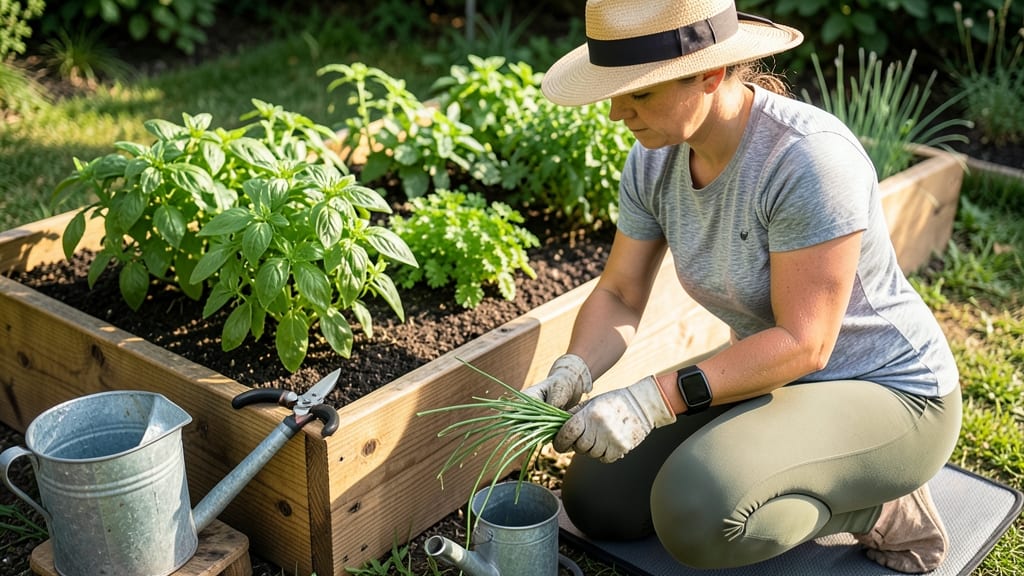
Gardening is good exercise because it burns 200-400 calories per hour, engages core and leg muscles, and improves flexibility through repetitive motions like digging and bending—though intensity varies by task and duration.
Gardening turns your yard into a full-body workout without feeling like one. 🌱 The combination of lifting, bending, and reaching activates muscles you might not use in traditional exercises—like your glutes, hamstrings, and even your forearms when gripping tools.
Studies show that even light gardening can match the calorie burn of a brisk walk, while heavy tasks like moving soil or hauling mulch push it closer to a moderate workout. The best part? You get fresh air and sunshine while you work, which boosts mood and energy levels naturally.
What really sets gardening apart is how it sneaks in strength training. Tasks like squatting to weed or lunging to reach plants work your lower body, while pulling weeds or raking engages your back and shoulders.
Even stretching to tie up vines improves flexibility—something many people skip in their daily routines. For those looking to maximize benefits, I recommend pairing gardening with short bursts of higher-intensity movements, like stepping up onto a raised bed or doing a few push-ups between tasks.
💡 In This Article
- How Gardening Burns Calories and Builds Strength
- Maximizing Exercise Benefits in Your Garden
How gardening burns calories and builds strength
Gardening transforms your outdoor space into a full-body workout by engaging multiple muscle groups simultaneously. When you dig, lift bags of soil, or pull weeds, your body activates the gluteus maximus (your largest muscle group) and quadriceps—similar to what happens during squats.
Studies from the University of Michigan found that 30 minutes of moderate gardening can burn between 150-250 calories, with heavier tasks like moving mulch or hauling water reaching 300-400 calories per hour, comparable to a brisk walk or light jog.
The repetitive motions involved—like bending to plant seeds or reaching overhead to prune—create a dynamic workout that improves flexibility and range of motion. Your core muscles stabilize your torso during these movements, while your forearms and grip strength get a workout from handling tools.
Unlike static exercises, gardening's varied tasks ensure no single muscle group is overworked, making it a balanced, low-impact form of exercise. For example, using a shovel requires 15-20 pounds of force per swing, which is equivalent to lifting moderate weights in a strength-training routine.
What makes gardening unique is its ability to combine cardiovascular exercise with resistance training. Tasks like raking leaves or pushing a wheelbarrow elevate your heart rate, while lifting and carrying engage your muscles against gravity.
This dual benefit is rare in traditional workouts, where you often choose between cardio or strength training. Research in the Journal of Physical Activity and Health highlights that gardening's irregular, functional movements can improve bone density—especially in weight-bearing tasks like kneeling in garden beds.
Comparing gardening to other moderate exercises reveals its versatility. A 30-minute yoga session typically burns 120-180 calories and focuses on flexibility, while gardening's combination of movement and resistance can match or exceed that calorie burn while also building strength. The key difference?
Gardening's asymmetrical movements (like twisting to turn soil) engage stabilizer muscles more than symmetrical exercises like walking or cycling. This makes it particularly effective for improving balance and coordination—skills that decline with age but are crucial for long-term mobility.
One often-overlooked benefit is how gardening's intermittent intensity mimics high-intensity interval training (HIIT). For instance, digging a hole requires short bursts of effort, followed by lighter tasks like placing plants. This natural variation keeps your heart rate fluctuating, which can improve cardiovascular health more than steady-state exercises.
The American Heart Association notes that such variable-intensity activities are ideal for maintaining metabolic health and reducing the risk of chronic diseases.
To maximize these benefits, focus on tasks that require controlled movements—like using a trowel to dig with precision rather than brute force. This approach not only reduces injury risk but also turns gardening into a more effective strength-training session.
For example, lifting a 20-pound bag of compost and carrying it 10 feet engages your core and legs, similar to a farmer's carry exercise in weightlifting. 💪