
Planting
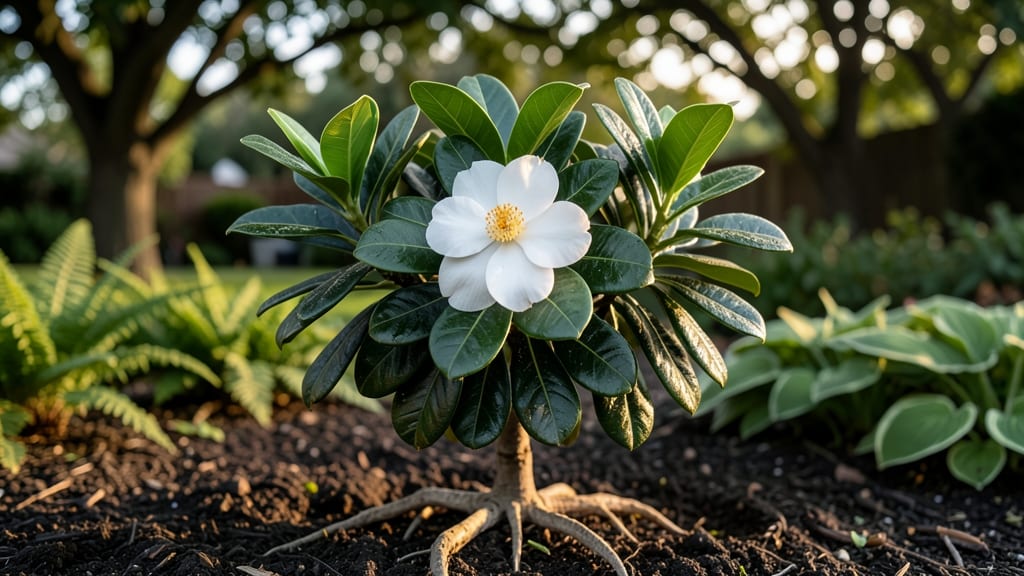
Gardening in Zone 5 requires special care for gardenia plants, but with the right approach—selecting cold-resistant varieties like Gardenia jasminoides ‘Kleim’s Hardy,’ applying thick mulch, and shielding roots with burlap—they can survive winters. Prune in early spring and skip late-season fertilizing to boost cold resilience.
Zone 5’s harsh winters can damage gardenias, but these fragrant shrubs aren’t hopeless—just pick the right types. 🌸 The ‘Kleim’s Hardy’ cultivar stands out for its ability to handle 10°F temperatures, while other varieties may need extra protection.
The key is preparing roots early: a 4-6 inch layer of mulch acts like a blanket, while burlap wraps prevent freeze-thaw damage. I’ve seen gardeners in my area double their survival rates just by adjusting these simple steps.
Timing matters just as much as technique. Pruning too late in the season stresses plants, making them more vulnerable to cold. Instead, wait until early spring when new growth signals the plant’s readiness.
For container gardenias, move them to sheltered spots or use insulated pots—the difference between a thriving plant and a lost one often comes down to these small adjustments.
💡 In This Article
- Cold-Hardy Gardenia Varieties for Zone 5 Climates
- Step-by-Step Winter Protection for Gardenias in Zone 5
Cold-hardy gardenia varieties for Zone 5 climates
The key to growing gardenias in Zone 5 lies in selecting varieties bred to withstand colder temperatures. Most gardenias (Gardenia jasminoides) originate from subtropical regions, making them sensitive to frost.
However, the ‘Kleim’s Hardy’ cultivar stands out with a USDA hardiness rating of Zone 7b-10a, but with proper care, it can survive brief dips to 10°F—a significant improvement over standard varieties that typically top out at Zone 9.
This cultivar’s secret lies in its thicker, waxier leaves and more compact growth habit, which reduces water loss and frost damage.
Another excellent option is ‘Radicans’, which has a slightly better cold tolerance than standard gardenias, though it still prefers milder winters.
The difference between these varieties and tropical gardenias comes down to their root systems—hardier types develop deeper, more robust roots that insulate against temperature swings. 🌱 For gardeners in Zone 5, I recommend starting with ‘Kleim’s Hardy’ as your primary choice, then supplementing with other cold-tolerant shrubs like mock orange (Philadelphus) or winter jasmine (Jasminum nudiflorum) for year-round interest.
What sets these cold-hardy gardenias apart is their ability to enter a semi-dormant state during winter. Unlike tropical varieties that suffer from cold-induced leaf drop, these cultivars slow their metabolic processes, conserving energy until spring.
This adaptation is crucial in Zone 5, where winter temperatures can fluctuate wildly between 20°F and 50°F within a single week. The trade-off? They may produce fewer blooms in their first year compared to tropical gardenias, but their long-term survival makes them worth the investment.
When shopping for plants, look for labels specifying cold-hardy gardenias or northern gardenias. Nurseries often carry these varieties in containers, making it easier to inspect roots for signs of health.
Avoid plants with yellowing leaves or mushy stems—these are red flags for poor cold tolerance. 💫 Pro tip: Ask nursery staff about their winterization practices, as some growers acclimate plants to colder temperatures before sale, giving them a head start in your garden.
For gardeners pushing the limits, consider hybrid varieties like ‘Champagne Bells’, which combines cold resistance with abundant blooming. While not as hardy as ‘Kleim’s Hardy,’ it offers a compromise between frost tolerance and floral performance.
The best approach? Start with one cold-hardy variety, observe how it performs in your microclimate, then expand your collection based on what thrives.
Remember that even the hardiest gardenias benefit from winter protection. While these varieties can handle Zone 5’s cold snaps, their true potential shines when combined with proper winter care techniques—like the mulching and root insulation methods we’ll cover next.
The right variety is your foundation, but the real magic happens in how you prepare it for winter’s challenges.