
Pruning
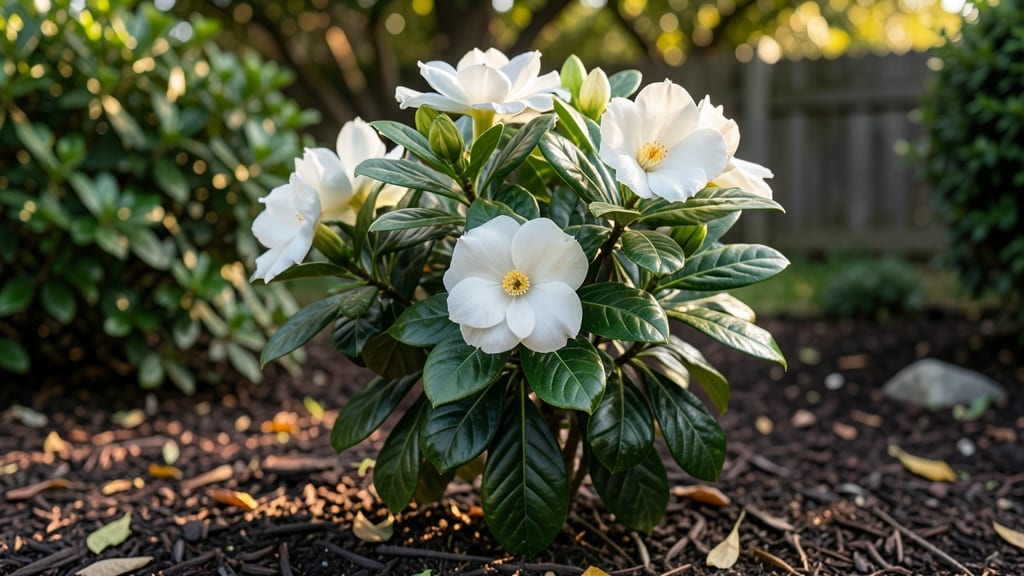
A gardenia tree’s height can turn your dream garden into a jungle—or a perfectly pruned paradise—depending on the variety and care you give it.
If you’ve ever dreamed of a fragrant garden but worried about gardenia trees outgrowing their space, you’re not alone. These 🌸 beauties can stretch to 15 feet if left unchecked, but with the right approach, you can keep them compact and lush.
The secret? Choosing the right variety and mastering a few pruning tricks.
Some gardenias stay small—like the dwarf varieties that top out at just 4 feet—while others shoot up like trees. Whether you’re working with a 6a-zone garden or a container, understanding their growth habits is the key to keeping them in check without sacrificing those intoxicating blooms.
Below, I’ll break down the fastest-growing types, the best pruning times, and how to pair your gardenia with the perfect neighbors—so you get the fragrance without the overgrowth.

How tall do gardenia trees grow? Average heights by variety
If you’re planning to add a gardenia tree to your landscape, knowing its mature height is key to avoiding overcrowding or awkward spacing. These fragrant shrubs can vary dramatically in size—from compact dwarf varieties perfect for containers to towering standard gardenia trees that need room to stretch their branches.
The right choice depends on your space and design goals, whether you want a privacy screen, a scented hedge, or a striking focal point.
Most gardenia trees belong to the Gardenia jasminoides species, but their heights differ based on cultivation. Without pruning, some varieties can reach 10-15 feet tall, while others stay under 4 feet when properly maintained.
Understanding these differences helps you pick the perfect fit for your garden’s layout and your maintenance preferences.
For small gardens or container gardening, the 'Radicans' variety is my top pick—it stays under 4 feet tall and thrives in pots, making it perfect for patios or balconies. Its compact size also means less pruning, which is great if you’re new to gardening.
This variety produces highly fragrant flowers despite its smaller stature, proving that good things come in small packages.
If you’re aiming for a privacy screen or dramatic backdrop, consider 'Veitchii' or 'Fortuniana', which can reach 8-12 feet tall. These varieties create a lush, fragrant barrier that’s ideal for yards with limited fencing.
Just be prepared for their rapid growth—they can add 2-3 feet per year if given ideal conditions like partial shade and acidic soil.
One common misconception is that all gardenia trees grow into large shrubs or small trees. In reality, many gardeners overlook dwarf varieties like 'Kleim's Hardy', which tops out at 5 feet and is perfect for foundation plantings.
Its hardiness in cooler climates (USDA zones 7-10) makes it a versatile choice for gardens in transitional zones.
When choosing a gardenia tree, also consider its growth habit. Some varieties, like 'Radicans', grow bushier and wider, while others, like 'Fortuniana', develop a more tree-like form with a single trunk.
This affects not only height but also how you’ll need to prune and shape the plant over time. For example, a tree-like gardenia may need structural pruning to maintain its form, while a bushy variety benefits from regular trimming to encourage dense foliage.
If you’re unsure about height, start with a smaller variety and transplant it later if needed. Gardenias respond well to pruning, so even if you plant a taller variety, you can control its size with strategic cuts.
Just avoid heavy pruning in late summer or fall, as this can stunt flowering for the next season.
For container gardening, always opt for dwarf or semi-dwarf varieties like 'Radicans' or 'Kleim's Hardy'. These thrive in 15-20 gallon pots and can be moved around your patio or deck
Pruning secrets to control gardenia tree height and shape
Keeping your gardenia tree at the perfect height isn’t just about aesthetics—it’s about maintaining its health and fragrance. These tropical beauties grow quickly, but without proper pruning techniques, they can easily outgrow their space.
The key is timing, tools, and knowing which branches to trim for either bushier growth or vertical height control. Let’s dive into the secrets to shaping your gardenia like a pro.
Before you grab your shears, remember that gardenias respond best to light pruning—never remove more than one-third of the plant at once. Over-pruning can stress the plant, leading to fewer blooms and weakened growth.
Start by identifying the central leader (the main vertical stem) and the lateral branches that will shape your tree’s future. Your goal is to encourage a balanced structure while keeping the height in check.
⚠️ WARNING: Pruning Mistakes That Stunt Growth or Invite Pests
- Pruning too late in fall or winter—this can leave cuts exposed to frost, inviting bacterial infections or fungal diseases.
- Using dull or contaminated shears—always sterilize with rubbing alcohol to prevent spreading pests or diseases.
- Cutting too close to the trunk—leave 1/4-inch stubs to avoid damaging the vascular system.
- Ignoring dead or diseased branches—these can spread infections to healthy parts of the plant.
For height control, focus on trimming the topmost branches of the central leader. Cut just above a leaf node (the bump where leaves or branches grow) to encourage lateral growth. This technique redirects the plant’s energy toward side branches, creating a fuller, bushier shape.
If your gardenia is already too tall, you can make a hard cut above a strong lateral branch, but only do this once every few years to avoid shocking the plant.
To encourage vertical height in a compact gardenia, prune the lower branches more aggressively while leaving the upper branches intact. This creates a tree-like silhouette with a defined trunk. Always use clean, sharp pruners to make 45-degree cuts just above a leaf node.
Avoid leaving stubs or jagged edges, as these can attract pests like aphids or whiteflies.
After pruning, give your gardenia some extra care to help it recover. Water deeply and apply a balanced fertilizer (like 10-10-10) to support new growth. Mulch around the base with organic matter to retain moisture and protect the roots.
With the right pruning schedule and aftercare, your gardenia will thrive at your desired height while still filling your garden with its intoxicating fragrance.
Remember, patience is key—gardenia trees respond best to gradual pruning over time. If you make a mistake, don’t panic! Gardenias are resilient, and with consistent care, they’ll bounce back stronger than ever. Happy pruning! 🌿✂️🌸