
Fertilization
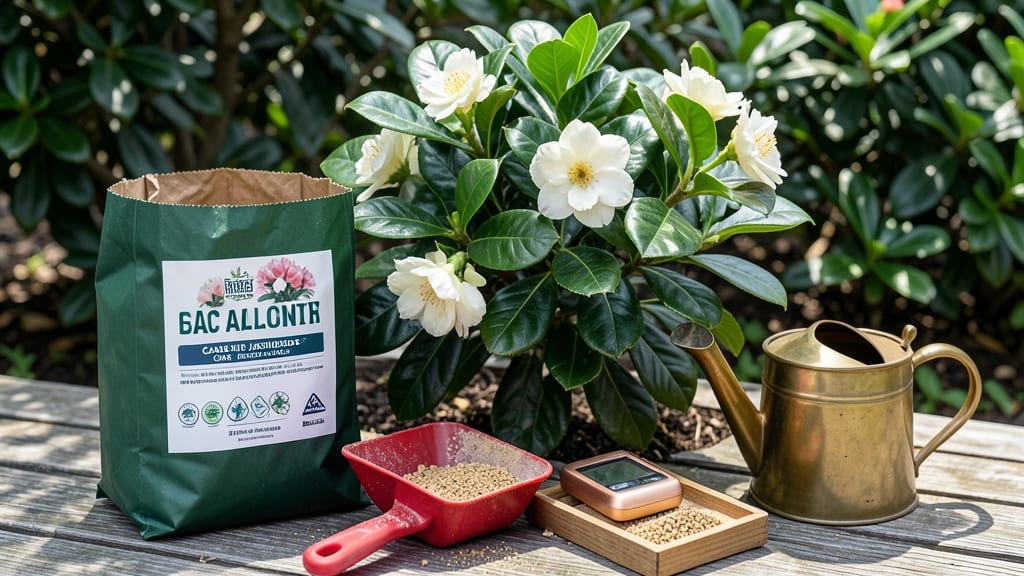
Fertilizing gardenias in Florida at the right time—spring and fall—is the key to unlocking those fragrant blooms year-round.
Florida gardenias thrive under the right care—but timing your fertilization wrong can mean fewer blooms and weaker growth. Mastering the perfect schedule for feeding these fragrant shrubs is the secret to year-round floral displays, and Florida’s unique climate demands precision.
Most gardeners make the mistake of fertilizing too late in summer or too early in winter, which can stress the plant or even stunt its growth. Instead, we’ll focus on the two critical windows—spring and fall—that align with your gardenia’s natural cycles and Florida’s seasonal shifts.
You’ll learn exactly when to feed, what signs to watch for, and how to choose the right fertilizer for your gardenia’s needs—so you can enjoy those show-stopping white blooms from spring through fall.
Optimal fertilization schedule for Florida gardenias: spring vs fall timing explained
Florida gardenias demand precise fertilization timing to produce their signature fragrant blooms. Unlike many plants, these acid-loving shrubs thrive on two key feeding windows: early spring and late fall. Summer applications often fail because the heat stresses roots, while autumn feedings risk overstimulating growth before winter dormancy.
Understanding these cycles is your ticket to year-round blooms and lush foliage.
Gardenias in Florida's USDA Zones 9a-11 follow a natural blooming rhythm tied to temperature shifts. Spring feeding (February-April) fuels new growth and bud formation, while fall applications (October-November) prepare plants for winter. Skipping either window leads to sparse flowering and leggy growth.
The secret lies in aligning your fertilizer schedule with these biological cues rather than calendar months.
Why summer/autumn fertilizing backfires: Florida's humid summers create ideal conditions for root rot and fungal diseases. When you feed during peak heat (June-August), gardenias can't process nutrients efficiently, leading to leaf burn and stunted growth. Similarly, autumn applications (September-October) often result in uncontrolled late-season growth that won't harden off before winter's mild chill.
For spring fertilization, I recommend starting in late February when daytime temperatures consistently exceed 70°F.
This aligns with gardenias' natural growth cycle, where they begin producing new leaves and flower buds. Use a balanced acid fertilizer (like Miracle-Gro Azalea/Camellia) every 4-6 weeks until early May. Organic options such as pine bark fines or composted oak leaves work well too—they slowly release nutrients while maintaining soil acidity.
Your fall fertilization should happen in October, about 6-8 weeks before your area's first expected chill.
This timing gives roots time to absorb nutrients before winter while avoiding late-season flushes that won't mature. Reduce your application rate by half compared to spring—think ½ tablespoon per plant—and opt for slow-release organic fertilizers like fish emulsion or worm castings to prevent winter burn.
Florida's microclimates require adjustments: North Florida gardeners (like those in Jacksonville or Gainesville) should fertilize 2 weeks earlier in spring and 2 weeks later in fall to account for cooler temperatures.
Meanwhile, South Florida growers (Miami, Fort Lauderdale) can extend spring feeding into early May before summer rains begin. Always water deeply after fertilizing to activate nutrient uptake and
Signs your gardenia needs fertilizer (and when to avoid it)
If your Florida gardenia is showing yellowing leaves or fewer blooms than usual, it’s likely sending you a clear message: it’s hungry for nutrients. These acid-loving shrubs thrive when their soil is rich in nitrogen, phosphorus, and potassium, but Florida’s sandy soil often lacks these essentials.
Without proper feeding, your gardenia may struggle to produce those signature fragrant white blooms you love.
But before you reach for that fertilizer bag, remember: over-fertilizing can be just as harmful as under-feeding. Too much fertilizer—especially in summer’s peak heat—can cause leaf burn or even root damage, weakening your plant instead of strengthening it.
The key is understanding seasonal cues and recognizing the difference between nutrient hunger and stress from other factors, like improper watering or pests.
🌱
🌿 When to Fertilize Gardenias in Florida
- ✅ Spring (Feb-Apr): Feed when you see new growth spurt—this signals your gardenia is waking up from dormancy and ready to bloom. Use a balanced 6-6-6 or 8-3-9 fertilizer every 4-6 weeks.
- ✅ Fall (Oct-Nov): Light feeding helps prep your gardenia for winter blooms. Reduce fertilizer strength by half to avoid late-season stress before cooler weather sets in.
- ❌ Summer (Jun-Aug): Avoid fertilizing during Florida’s peak heat. High temperatures stress plants, making them more susceptible to fertilizer burn. Instead, focus on deep watering and mulching to protect roots.
- ❌ Winter (Dec-Jan): Skip fertilization entirely. Gardenias are dormant in Florida’s mild winters, and feeding won’t help—it can even encourage weak growth before blooming season.
Pro Tip: Always water your gardenia thoroughly before and after applying fertilizer to help nutrients reach the roots safely.
One of the first signs your gardenia needs fertilizer is yellowing leaves, particularly on older growth. This is often a sign of nitrogen deficiency, which is common in Florida’s sandy soil.
If the yellowing starts at the leaf edges and works inward, however, it could indicate over-fertilization or salt buildup from tap water. Always check the soil moisture and watering habits first—sometimes the issue is as simple as root stress from inconsistent watering.
Another red flag is sparse or absent blooms. If your gardenia is producing fewer flowers than expected, it may be lacking phosphorus, which is crucial for bloom development. Look for small, green buds that fail to open or premature leaf drop before blooming season.
In Florida, this often happens when gardenias aren’t fed enough phosphorus in early spring, just as they’re preparing to flower.
🌷
Don’t ignore slow growth either. If your gardenia’s new shoots are smaller than usual or growing at a snail’s pace, it’s likely starving for nitrogen. This is especially common in potted gardenias, where nutrients deplete faster.
To fix this, switch to a slow-release fertilizer or top-dress with compost to feed the roots gradually. Just remember: more isn’t always better. Over-fertilizing can lead to leaf burn, where edges turn brown and crispy, or even root damage if salts build up in the soil.
Finally, pay attention to Florida’s seasonal shifts. During wet seasons (like summer’s frequent rains), nutrients leach out of the soil faster, so your gardenia may need extra feeding to stay healthy.
Conversely, in dry spells, hold off on fertilizing until the soil is properly moistened—otherwise, you risk burning the roots instead of nourishing them. Always water deeply before and after fertilizing to help nutrients absorb safely.