
Pruning
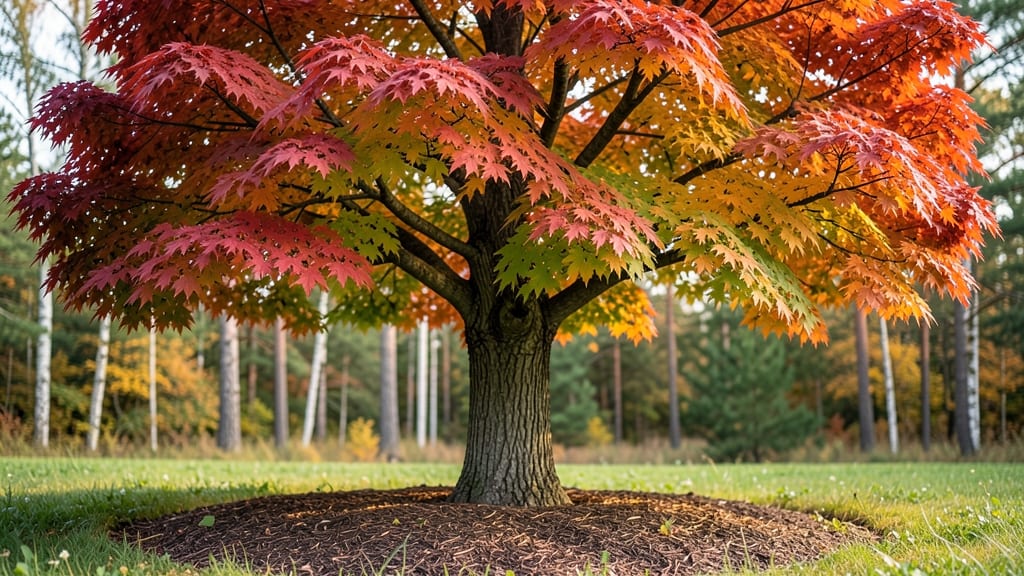
A gardener prunes trees to maintain their health, shape, and safety by following seasonal timing—late winter or early spring for most species—and using sharp tools with precise cutting techniques. This practice removes dead branches, encourages new growth, and prevents disease spread.
A gardener's approach to tree pruning isn't just about cutting branches—it's a strategic process that keeps trees thriving. 🌳 The right timing, like pruning deciduous trees in late winter before buds swell, minimizes stress and disease risk.
Evergreens, however, often need pruning in early spring to avoid winter damage. Using the right tools—like bypass pruners for small branches and a chainsaw for thick limbs—makes all the difference in clean cuts that heal properly.
What many gardeners overlook is how pruning techniques affect tree health long-term. For instance, cutting too close to the trunk can damage the cambium layer, while sealing large wounds with pruning paste helps prevent decay.
Proper disposal of pruned material also matters—leaving branches on the ground can harbor pests or diseases that spread back to the tree.
💡 In This Article
- Best Tree Pruning Seasons by Species and Climate
- Step-by-Step Tree Pruning Tools and Techniques
Best tree pruning seasons by species and climate
Seasonal timing in tree pruning isn't arbitrary—it's tied to the tree's natural growth cycles. For most deciduous trees, the ideal window is late winter or early spring, just as buds begin to swell but before new growth starts.
This period, often called "dormant season," minimizes stress because the tree isn't actively photosynthesizing. Evergreens, however, have different needs: they're best pruned in early spring to avoid winter desiccation or late summer to prevent new growth from being damaged by frost.
The science behind this involves two key factors: sap flow and disease risk. During dormancy, sap flow is at its lowest, which reduces bleeding from cuts and speeds up healing.
For example, maple trees can lose up to 1 gallon of sap per inch of diameter when pruned at the wrong time, weakening the tree. Additionally, pruning during wet or humid periods increases the risk of fungal infections like anthracnose, which thrives in moisture-rich conditions.
In warmer climates, like the southeastern U.S., pruning can extend into late winter, while colder regions may need to wait until early spring when temperatures consistently stay above 40°F. 🌿
Climate plays a surprising role in pruning schedules too. In Mediterranean climates, where summers are dry and hot, pruning is often done in late fall to reduce water stress on newly exposed branches.
Meanwhile, in temperate zones, the focus shifts to late winter to avoid early spring pests like borers, which are drawn to fresh cuts.
For instance, oak trees in the Midwest should never be pruned in the spring due to oak wilt disease, which spreads rapidly when the tree is actively growing.
Another critical consideration is the tree's age and health. Young trees benefit from formative pruning to establish strong branch structure, while mature trees often need corrective pruning to remove deadwood or hazardous limbs.
For example, fruit trees like apple or peach require annual pruning in late winter to promote flowering and fruit production. The key is always to work with the tree's natural rhythms rather than against them. 🌳
Regional variations also dictate pruning timing. In the Pacific Northwest, where winters are mild and wet, pruning can begin as early as January. Conversely, in the Southwest, where winters are dry but can still be cold, gardeners often wait until late February or March to avoid frost damage.
Understanding these nuances ensures your pruning efforts enhance rather than harm the tree's health.
What most gardeners don't realize is how pruning affects the tree's energy reserves. Trees store carbohydrates in their roots and branches, and removing too much foliage at once can deplete these reserves, leaving the tree vulnerable to stress.
A general rule is to never remove more than 25% of the tree's canopy in a single pruning session. This balance is especially important for trees in urban environments, where pollution and compacted soil already stress their systems.
Finally, consider the tree's species-specific traits. Flowering trees like dogwoods should be pruned immediately after blooming to avoid cutting off next year's flowers, while conifers like pines benefit from light pruning in early summer to encourage new growth.
By aligning your pruning schedule with these biological rhythms, you're not just maintaining a tree—you're nurturing its long-term vitality. 💚