
Fertilization
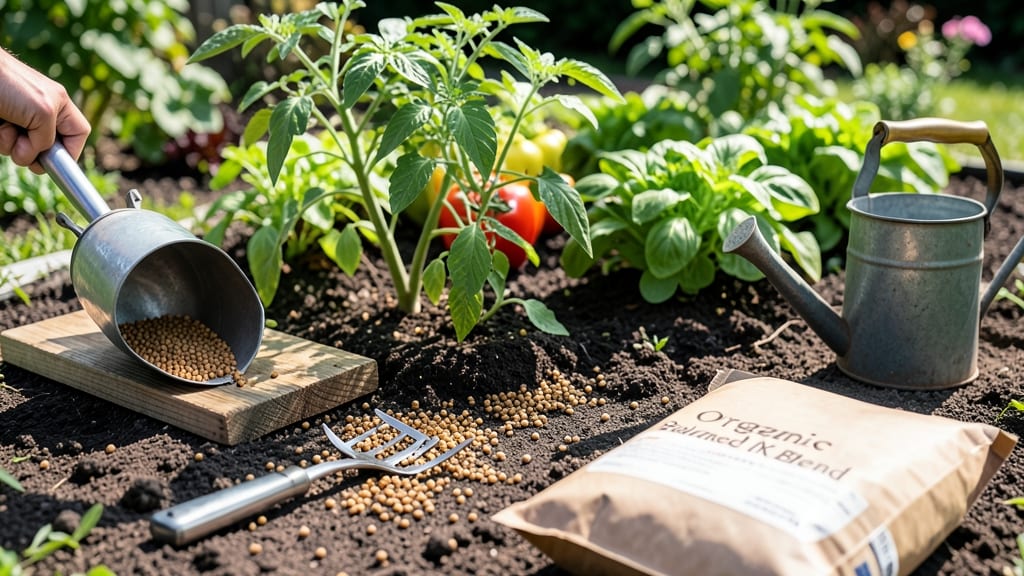
Fertilizing your garden too often or not enough can leave your plants struggling — the right timing ensures strong roots, lush foliage, and bountiful harvests.
Picture this: your General Garden Plants 🌱 in Zone 6a wilting despite regular watering, or your tomatoes bursting with fruit but tasting bland. Both are signs of fertilization gone wrong.
The key isn’t just what you feed your soil, but when—and that schedule changes with the season, plant type, and even the weather.
Most gardeners overlook how growth stages dictate fertilizer needs: seedlings need a gentle boost, while fruiting plants crave nutrients at specific moments. Below, I break down the science-backed schedule for vegetables, flowers, and lawns—plus how to read your soil’s signals before reaching for the bag.
You’ll learn exactly how often to feed your garden in spring (hint: it’s not monthly), when to pause in summer heat, and the one trick that prevents fertilizer burn. Ready to grow smarter?

Fertilizing frequency by plant type: vegetables, flowers, and lawns
Fertilizing your garden isn't a one-size-fits-all task—each plant type has unique nutrient needs at different growth stages. Vegetables, flowers, and lawns all respond best to tailored schedules.
For example, leafy greens like lettuce thrive with frequent light feedings, while fruiting plants such as tomatoes need heavy feeding during flowering. Understanding these differences prevents wasted nutrients and ensures your garden flourishes.
Organic fertilizers, like compost or manure, release nutrients slowly, while synthetic fertilizers provide quick results. Slow-release organic options are ideal for perennials and lawns, while quick-acting synthetics work well for fast-growing vegetables.
Always consider your soil type—sandy soil drains quickly and may need more frequent feedings, whereas clay soil retains nutrients longer. Testing your soil every 2-3 years helps adjust your fertilization plan for optimal results.
| Plant Type | Growth Stage | Fertilizer Type | Frequency | Notes |
|---|---|---|---|---|
| Leafy Greens (Lettuce, Spinach) | Seedling to Harvest | Balanced (5-5-5) | Every 2-3 weeks | Avoid high-nitrogen after bolting. |
| Fruiting Plants (Tomatoes, Peppers) | Flowering to Harvest | High-Potassium (10-10-20) | Every 3-4 weeks | Reduce nitrogen to prevent leafy growth. |
| Perennials (Roses, Lavender) | Spring to Early Summer | Slow-Release Organic | Once in spring, once in fall | Use compost or worm castings. |
| Annual Flowers (Marigolds, Petunias) | Seedling to Blooming | Low-Nitrogen (5-10-10) | Every 4-6 weeks | Encourage blooms with phosphorus. |
| Lawns (Cool-Season Grasses) | Spring and Fall | Slow-Release Nitrogen | Every 6-8 weeks | Avoid summer feeding in drought. |
| Herbs (Basil, Cilantro) | Active Growth | Balanced (10-10-10) | Every 3 weeks | Harvest regularly to stimulate growth. |
| Root Crops (Carrots, Potatoes) | Early Growth | Low-Nitrogen (3-4-6) | Once at planting | Excess nitrogen causes forked roots. |
For leafy greens, like lettuce and spinach, I recommend a balanced fertilizer every 2-3 weeks. These plants grow quickly and need consistent nutrients to prevent bolting (flowering prematurely).
Use a 5-5-5 NPK ratio and avoid high-nitrogen fertilizers once they start flowering, as this can reduce leaf quality. Water thoroughly after applying fertilizer to prevent root burn.
When it comes to fruiting plants, such as tomatoes and peppers, the focus shifts to high-potassium fertilizers during flowering and fruiting stages. I apply a 10-10-20 NPK ratio every 3-4 weeks once flowers
Seasonal fertilization calendar: when to feed for maximum growth
Timing your garden's fertilization is like giving your plants a perfectly timed meal—too early or too late, and they won't thrive. The key lies in understanding your climate zone, plant dormancy periods, and how seasonal changes affect nutrient needs.
Unlike a one-size-fits-all approach, your fertilization schedule should adapt to whether you're in a cool-season or warm-season region, and whether your soil is waterlogged or drought-stricken. Let's break down the month-by-month essentials to keep your garden flourishing without wasting nutrients.
Most gardeners make two critical mistakes: over-fertilizing during rainy seasons (which washes away nutrients) or under-fertilizing during droughts (when plants need extra support). The solution? Test your soil in early spring to determine its baseline fertility, then adjust your schedule based on rainfall patterns and temperature shifts.
For example, in USDA Zone 6a, where frost dates typically run from mid-April to late October, you'll want to focus fertilization efforts between May and September, with lighter touches in shoulder months.
🌱 Pro Tip: Always water your plants thoroughly 24 hours before fertilizing to prevent root burn, especially in hot climates where soil dries out quickly.
- 1 Start in early spring (March-April) with a balanced fertilizer (10-10-10) to jumpstart growth after dormancy. Focus on leafy greens and perennials.
- 2 Switch to slow-release fertilizer in late spring (May) to support fruiting plants like tomatoes and peppers. Reduce nitrogen to avoid excessive foliage.
- 3 Feed lightly in summer (June-August), prioritizing root crops and lawns. Use half-strength fertilizer every 6-8 weeks to avoid salt buildup in heat.
- 4 Apply a low-nitrogen fertilizer in early fall (September) to strengthen roots before dormancy. Stop by October to avoid late-season growth.
- 5 Skip fertilization entirely in winter (November-February). Focus on soil amendments like compost instead of synthetic nutrients.
Adjust this schedule for drought conditions by spacing fertilizations further apart—every 8-10 weeks—to prevent stress. Conversely, in wet climates, apply fertilizer more frequently (every 3-4 weeks) since heavy rains leach nutrients faster.
Always monitor your plants for yellowing leaves or burnt tips, which signal over- or under-fertilization.
For organic gardeners, swap synthetic fertilizers for compost tea or fish emulsion in spring, then switch to bone meal or kelp meal in fall. These natural amendments release nutrients gradually, mirroring the seasonal rhythm of your garden.
Remember, the goal isn't to feed your plants constantly, but to time nutrients with their natural growth cycles—just like the rhythm of the seasons themselves.
☀️ Climate Adjustment: In Zone 7b+, extend your summer feeding window to October for warm-season crops, but always pause by November to prepare for winter.