
Tools
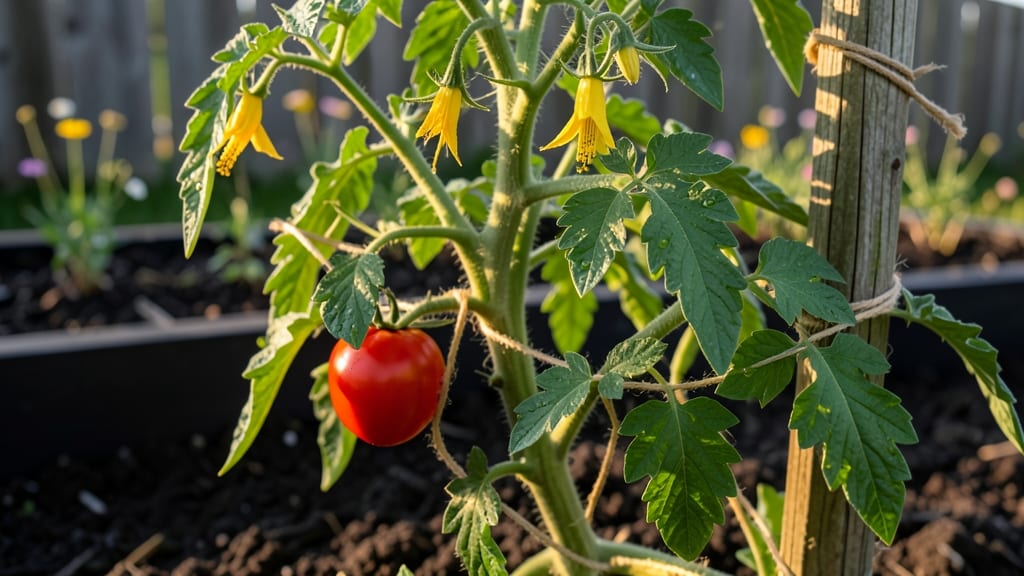
Garden twine for tomatoes trains vines upward to prevent sprawling and boosts airflow around foliage, which reduces disease risk. Choose biodegradable options like jute for organic gardens or sturdy polyester for long-term support, securing stems every 6-12 inches to stakes or trellises.
Tomato plants need proper support to thrive, and the right type of twine makes all the difference. 🌱 Indeterminate varieties—those that grow continuously—require extra attention, as they can reach heights of 6 to 10 feet if left unchecked.
The key is selecting twine that balances strength with flexibility, ensuring it won't snap under the weight of heavy fruit or break when winds blow. Biodegradable twine is ideal for compostable gardens, while synthetic options last longer and resist moisture better, making them perfect for humid climates.
When it comes to tying techniques, the figure-eight method is my go-to for young plants because it distributes pressure evenly and prevents stem damage. For mature plants, I switch to a loop system that allows the vine to grow upward without constriction.
Pro tip: always use soft twine—rough materials can leave marks on delicate stems, which may weaken over time.
💡 In This Article
- How Different Garden Twine Materials Affect Tomato Growth
- Step-by-Step Guide to Staking Tomatoes with Twine
How different garden twine materials affect tomato growth
Tomato vines rely on twine to maintain vertical growth, but not all materials work the same way. Biodegradable options like jute or hemp break down naturally in 6-12 months, making them perfect for organic gardens where synthetic materials aren't allowed.
These natural fibers provide gentle support but require more frequent replacement, especially for indeterminate varieties that grow aggressively. The downside? They weaken when wet, which can be problematic during rainy seasons or in humid climates where moisture accelerates decomposition.
Synthetic twines—particularly polyester or nylon—offer superior durability, often lasting 2-3 years or longer without losing strength. Their smooth texture prevents stem damage, and resistance to UV rays means they won't degrade quickly under sunlight.
For heavy-fruited varieties like Beefsteak tomatoes, synthetic twine is a game-changer because it handles the weight of 1-2 pound fruits without snapping. The trade-off? Non-biodegradable synthetics may not suit compostable garden systems, and improper disposal can contribute to microplastic pollution.
Material choice directly impacts disease risk. Natural twines can harbor fungal spores if left damp, while synthetic options repel moisture better. I've noticed that polyester twine reduces the likelihood of early blight (a common tomato disease) by keeping foliage drier and improving airflow.
However, the wrong material—like rough jute—can create micro-tears in stems, providing entry points for pathogens. Always opt for twine with a smooth, flexible texture to minimize damage while maximizing support.
Consider your climate when selecting twine. In dry regions, biodegradable options may last longer than expected, while in wet areas, synthetic twine prevents rot. For container-grown tomatoes, I recommend hemp twine because it's strong enough for vertical growth but won't overpower small pots.
The key is matching the twine's properties to your specific growing conditions—whether it's high humidity, strong winds, or heavy fruit loads.
Pro tip: If using biodegradable twine, replace it mid-season (around 6-8 weeks after planting) to maintain support. For synthetic twine, a single application often suffices for the entire growing season. The right material ensures your tomatoes grow upright, reducing disease and maximizing yield—no guesswork required! 🌿
For extra security, pair twine with galvanized metal stakes or wooden dowels. The combination provides both vertical support and stability, especially during storms. Always tie at a 45-degree angle to distribute pressure evenly and prevent stem stress.