
Fertilization
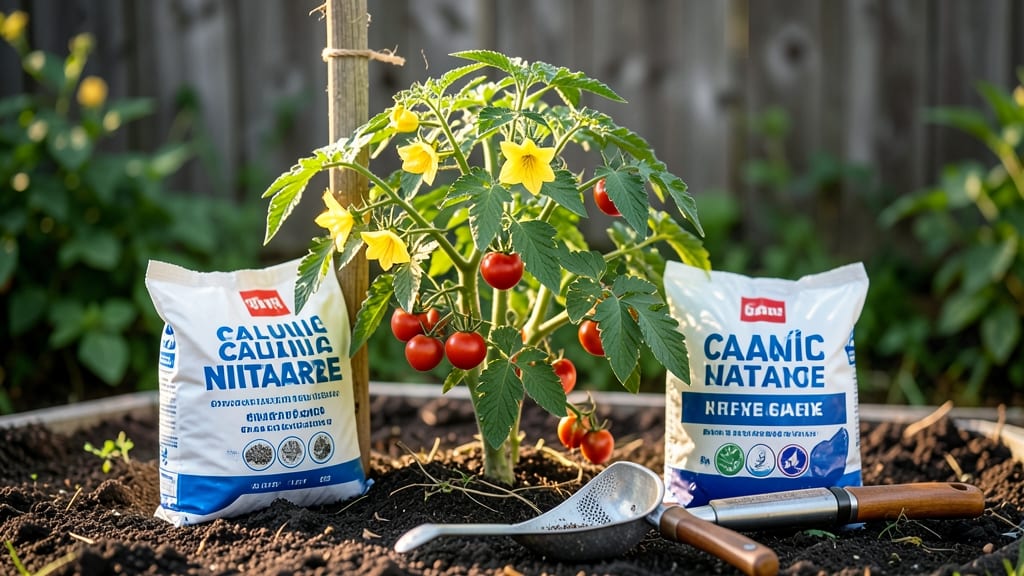
Garden tomatoes need calcium to prevent blossom end rot and keep cell walls strong — yet most gardeners overlook this key nutrient until the damage appears.
If your 🍅 plants are developing dark, sunken spots at the blossom end, calcium deficiency could be the culprit. The good news? Fixing it doesn’t require expensive soil amendments or complex fixes.
Calcium helps tomatoes grow firm, flavorful fruit by strengthening cell walls and preventing rot. Without enough, your harvest suffers from weak spots, cracked skins, and wasted effort.
In this guide, I’ll show you how to test for calcium deficiency, the best natural sources to add to your soil, and simple prevention tips to keep your tomatoes thriving all season.
Why calcium deficiency causes blossom end rot in tomatoes
When your tomato plants develop dark, sunken lesions at the blossom end, the culprit is often calcium deficiency. This common issue, called blossom end rot, isn't just about low calcium levels—it's a complex problem tied to how your plants absorb and transport this essential nutrient.
Understanding the science behind it helps you fix the issue and prevent future outbreaks.
Calcium is the structural backbone of plant cell walls, especially in fast-growing fruits like tomatoes. When calcium levels drop, the youngest tissues—like the blossom end of developing fruit—suffer first.
This happens because calcium moves through the plant's transpiration stream, and when water uptake is inconsistent, the plant can't deliver enough calcium where it's needed most.
Soil pH plays a huge role in calcium availability. Tomatoes thrive in slightly acidic to neutral soil (pH 6.0-6.8). If your soil is too acidic (pH below 6.0), calcium binds tightly to soil particles and becomes unavailable. Even if your soil tests high in calcium, your plants may still starve if the pH is off. Testing your soil's pH is the first step to diagnosing the problem.
Another major trigger is inconsistent watering. Tomatoes need deep, consistent moisture to absorb calcium efficiently. When you water shallowly or irregularly, the roots struggle to take up enough water—and thus, calcium—during critical growth stages.
This is why blossom end rot often appears during hot, dry spells or after periods of drought.
The root zone also affects calcium uptake. If your tomato roots are crowded or compacted, they can't explore enough soil to access calcium. Container-grown tomatoes are especially vulnerable because their roots hit the pot's edges quickly, limiting nutrient absorption.
Even in garden beds, poor soil structure can restrict root growth and calcium uptake.
Temperature extremes further complicate calcium absorption. When soil temperatures drop below 50°F (10°C) or rise above 90°F (32°C), root activity slows, reducing the plant's ability to take up calcium. This is why blossom end rot often flares up in early spring or late summer, when temperatures swing wildly.
Here’s how these factors combine to trigger blossom end rot: Low calcium availability (due to pH or soil structure) + inconsistent watering + stressed roots = calcium can't reach the blossom end of the fruit fast enough.
Without enough calcium, the cell walls weaken, leading to those telltale dark, mushy spots.
Once you identify the root cause of calcium deficiency in your garden, you can take targeted action. For example, if soil pH is the issue, adding pelletized lime (calcium carbonate) will gradually raise the pH and release bound calcium.
If watering practices are to blame, switching to a drip irrigation system ensures consistent moisture and calcium delivery.
For container-grown tomatoes, a calcium nitrate foliar spray (applied every 2 weeks) can provide a quick calcium boost when roots are restricted. This method bypasses the soil and delivers calcium directly to the leaves, where it can be absorbed faster.
Always spray in the early morning to avoid leaf burn from evaporation.
Preventing blossom end rot starts with proactive soil management. Test your soil every 2-3 years to monitor pH and calcium levels. If your soil is naturally low in calcium, incorporate composted manure or bone meal at planting time.
These organic amendments release calcium slowly, supporting steady uptake throughout the growing season.
Remember, calcium deficiency isn’t just about adding more calcium—it’s about creating the right conditions for your tomato plants to absorb and use it effectively.
By addressing soil pH, watering consistency, and root health, you’ll not only fix blossom end rot but also set your tomatoes up for a healthier, more productive harvest.
5 Natural calcium sources to add to your tomato soil
When your tomato plants show signs of blossom end rot, the issue often stems from a calcium deficiency in the soil. The good news? You don’t need expensive supplements—nature provides plenty of organic calcium sources right in your kitchen or garden.
These natural amendments not only restore calcium but also improve soil structure and microbial activity, leading to healthier plants and better yields.
Before diving into solutions, it’s important to understand that calcium works best when applied proactively. Once blossom end rot appears, the damage is already done, but preventing future issues is entirely within your control.
Let’s explore the top 5 natural calcium sources, ranked by ease of use and effectiveness, so you can choose the best fit for your garden.
- 1 Crushed Eggshells: The easiest and fastest method. Rinse and dry eggshells, then crush them into a fine powder. Mix 1-2 tablespoons per plant into the soil or sprinkle around the base. Eggshells release calcium slowly, making them ideal for preventive care.
- 2 Wood Ash: A byproduct of burning hardwood, wood ash is high in calcium and potassium. Use sparingly—1/4 cup per plant—as too much can raise soil pH excessively. Work it into the top 2-3 inches of soil for best results.
- 3 Bone Meal: A high-calcium organic fertilizer, bone meal also provides phosphorus for root development. Apply 1-2 tablespoons per plant and lightly scratch into the soil. Best used at planting or during fruiting stages.
- 4 Calcium-Rich Compost: Well-aged compost made from leaf mold, manure, or green waste often contains natural calcium. Mix 2-3 inches of compost into the soil before planting or top-dress existing plants. This method improves soil health long-term.
- 5 DIY Calcium Foliar Spray: For immediate calcium uptake, mix 1 tablespoon of calcium chloride or crushed eggshell tea in 1 gallon of water. Spray the leaves in the early morning to prevent fungal issues. Repeat every 2-3 weeks during fruiting.
Among these, crushed eggshells and wood ash are the most accessible for most gardeners, while bone meal offers the highest calcium concentration. If you’re dealing with container-grown tomatoes, foliar sprays are particularly effective because they bypass soil limitations and deliver calcium directly to the plant’s leaves.
For long-term prevention, combine multiple methods. For example, add crushed eggshells to your compost pile to boost its calcium content, then use that enriched compost in your tomato beds.
Pair this with consistent even watering—fluctuating moisture levels can worsen calcium uptake issues—by watering deeply at the base of the plant in the morning.
Remember, calcium isn’t just about fixing problems—it’s about building stronger cell walls in your tomatoes, leading to firmer fruit, better flavor, and fewer diseases. Start with one or two of these methods this season, and watch your tomato plants thrive without the unsightly signs of blossom end rot.
Happy gardening! 🌱