
Tools
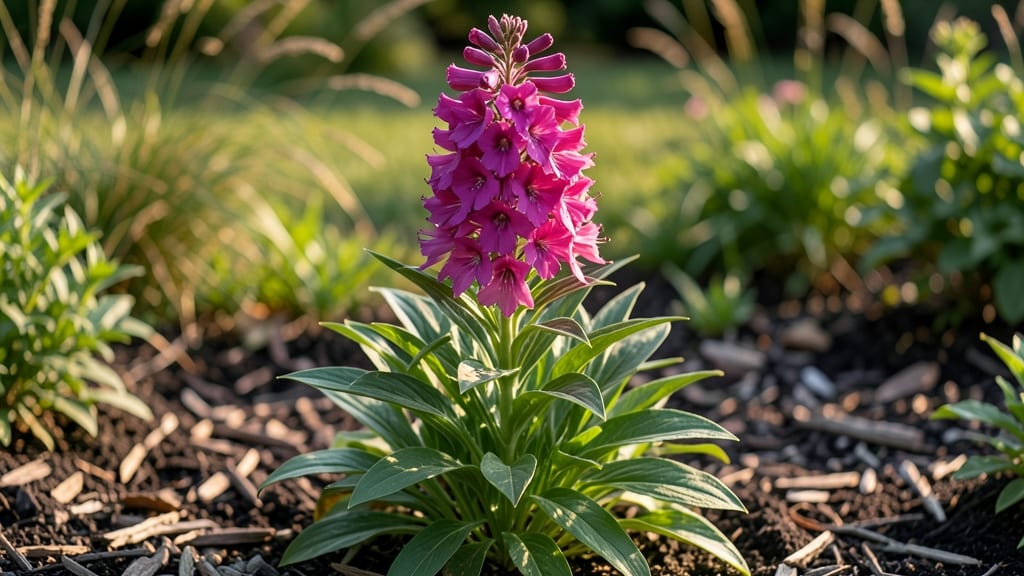
Growing the tallest varieties of garden phlox 🌸 can transform your garden into a vertical masterpiece, reaching heights of 4 to 6 feet with the right care.
If you're dreaming of dramatic vertical accents in your garden, these towering blooms could be your secret weapon—adding height, texture, and long-lasting summer color with minimal effort. Imagine a 6-foot-tall phlox standout against your patio or border, drawing eyes upward and creating a stunning focal point.
But here's the catch: not all phlox varieties grow tall, and even the tallest need the right conditions to reach their full potential. Soil prep, sunlight, and proper pruning are the key to unlocking that maximum height and keeping stems sturdy through summer storms and blooming seasons.
In this guide, I’ll walk you through the top tallest garden phlox varieties, how to maximize their height, and the best companion plants to pair with them for a show-stopping vertical display.
Top 5 tallest garden phlox varieties and their maximum heights
If you're looking to create a dramatic vertical statement in your garden, tall garden phlox varieties are my go-to choice. These summer-blooming powerhouses can reach heights of 4 to 5 feet, providing lush foliage and prolonged floral displays that attract pollinators.
The key to unlocking their full height potential lies in selecting the right cultivar and providing optimal growing conditions.
Among the tallest phlox varieties, five stand out for their impressive stature and garden-impacting presence. Each offers unique color palettes and bloom durations, making them perfect for back-of-border plantings or as standalone focal points.
Let’s explore these height champions and the conditions that help them reach their maximum potential.
When selecting tall phlox varieties, Phlox 'David' and 'Blue Giant' top the list with maximum heights of 5 feet. These cultivars thrive in full sun conditions and produce bold, upright stems that create a stunning vertical effect.
Their deep pink and blue-violet blooms add vibrant contrast to any garden palette.
For a softer color palette, Phlox 'Miss Wilmot' offers lavender blooms that pair beautifully with purple and white perennials. Its 4.5-foot stature makes it ideal for mid-border plantings, where it can be easily viewed from multiple angles. Regular deadheading encourages continuous flowering, extending its seasonal display.
The 'Blue Moon' variety is a cool-toned favorite with pale blue blooms that brighten shady corners while still tolerating full sun exposure. Its 4-foot height works well in container gardens or as a backdrop for shorter flowers. To maximize its height,
How to maximize phlox height: pro tips for towering blooms
Want your garden phlox to reach its maximum height potential? With the right techniques, you can push those tall phlox varieties from 3 feet to over 5 feet tall—creating stunning vertical accents in your landscape.
The key lies in soil preparation, pruning strategies, and support systems that work together to strengthen stems and encourage upward growth.
One of the biggest mistakes gardeners make is neglecting soil health or overcrowding plants, which stunts growth. Instead, focus on well-draining soil rich in organic matter and give each plant 18-24 inches of space to thrive.
When combined with proper watering schedules and sunlight exposure, these small adjustments can make a dramatic difference in your phlox's stature.
- 1. Soil Prep: Amend with compost and perlite for well-draining soil with 6.0-7.0 pH
- 2. Sunlight: Provide 6+ hours of direct sunlight daily to fuel vertical growth
- 3. Staking: Use bamboo stakes or tomato cages at planting time to support tall stems
- 4. Pruning: Deadhead spent blooms and trim leggy stems in early summer to encourage bushier growth
- 5. Watering: Water deeply 2-3x/week at soil level to prevent stem weakness
For maximum height, start with well-prepared soil that's rich in nutrients but drains efficiently. I recommend mixing compost and sand into your native soil to create the perfect balance.
This helps roots establish quickly and supports the plant's upward growth. Test your soil's pH—aiming for 6.0-7.0—as acidic or alkaline conditions can limit your phlox's potential.
Once planted, staking is non-negotiable for varieties like 'David' or 'Blue Giant'. I use bamboo stakes inserted at planting time, tying stems loosely with soft plant ties as they grow.
This prevents stem flopping while allowing natural flexibility. For extra height, consider ring supports or tomato cages, which distribute weight more evenly.
Pruning might seem counterintuitive when you want taller phlox, but strategic trimming actually encourages stronger vertical growth. After the first flush of blooms, cut back 1/3 of the plant's height to promote bushier, sturdier stems.
This also prevents powdery mildew by improving airflow. Always use clean, sharp shears and make cuts just above a leaf node.
Watering habits directly impact your phlox's height. Deep, consistent watering at the base of the plant prevents weak stems caused by surface moisture. I water mine early in the morning to reduce evaporation and fungal risks.
During peak summer heat, increase frequency to every 2-3 days, but avoid wetting the foliage to prevent disease.
With these techniques, your tallest garden phlox can easily reach 5-6 feet, creating a stunning vertical focal point. The secret is patience and consistency—your phlox will reward you with towering blooms that dominate your garden beds effortlessly. 🌿✂️🌸