
Blooming
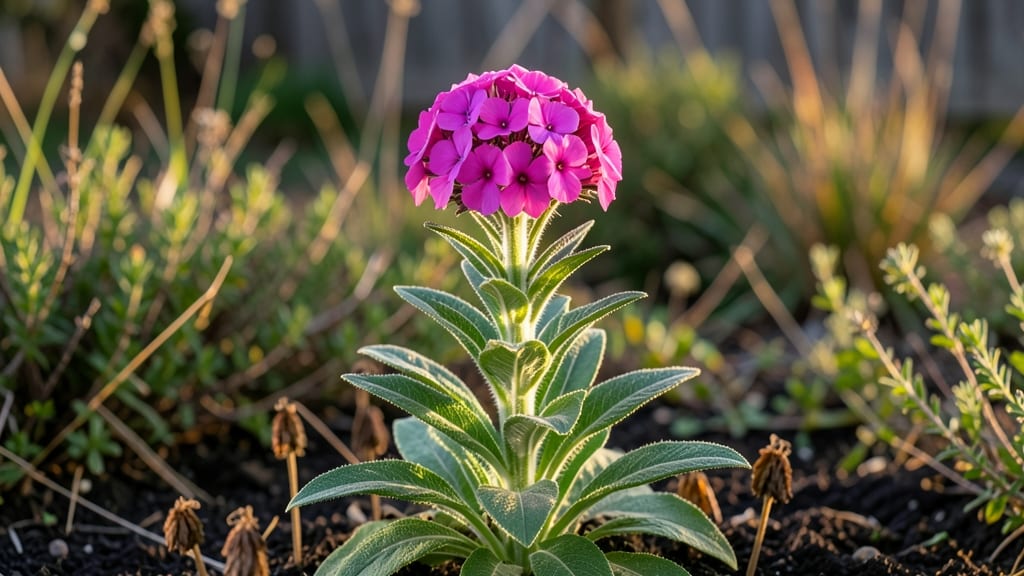
Garden phlox blooms from late spring through early fall 🌸, turning your yard into a riot of color—but only if you time it right.
If you’ve ever watched your phlox fade too soon, you’re not alone. The secret to season-long blooms lies in understanding the 3-4 month window when phlox thrives, plus the small tweaks that keep them flowering past summer’s heat.
Whether you’re in zone 6a or further south, this guide breaks down the exact timing, variety differences, and care hacks to stretch your phlox’s glory from June until frost.
We’ll cover how climate, soil, and even your pruning habits can shift bloom time by weeks—and why some varieties start in May while others wait until July. No more guessing when those fragrant clusters will appear, and no more missing the peak.
Ready to turn your garden into a nonstop phlox parade? Here’s how to extend blooms naturally, avoid common mistakes, and keep your phlox looking fresh from first bud to final frost.
Garden phlox bloom time by variety: early, mid, and late season options
Garden phlox is a summer garden staple, but not all varieties bloom at the same time. Understanding the bloom windows for different types helps you create a continuous color show from early summer to frost.
Whether you're in USDA Zone 3 or Zone 9, timing matters—especially for staggered flowering in mixed borders.
Phlox blooms are divided into three main categories: early-season, mid-season, and late-season varieties. Each type thrives under slightly different conditions, and choosing the right mix ensures your garden stays vibrant longer. For example, drummond phlox often blooms first, while woodland phlox lingers into fall.
Regional climate plays a huge role in bloom timing. In cooler USDA Zones 3-5, phlox may start blooming as early as late May, while in warmer Zones 7-9, blooms can begin in June and stretch into October.
Below, I’ve broken down the key varieties and their typical bloom periods to help you plan your garden layout.
To create a long-blooming phlox display, mix varieties with overlapping bloom times. For example, pair drummond phlox (early June) with tall garden phlox (July-August) and finish with woodland phlox (August-September). This ensures your garden never loses its colorful punch.
In cooler climates (Zones 3-5), phlox often blooms earlier due to shorter growing seasons. Start with creeping phlox in spring, then transition to drummond and tall garden types as temperatures rise.
In warmer zones (7-9), blooms may stretch later into fall, especially with woodland phlox thriving in partial shade.
Light exposure also affects bloom timing. Full sun (6+ hours) encourages earlier and more abundant blooms, while partial shade (4-6 hours) can delay flowering but often results in longer-lasting blooms. For example, woodland phlox in dappled shade may bloom later but stay vibrant longer in heat.
Pro tip: If you want to push blooms later into fall, avoid heavy fertilizing after mid-summer. Too much nitrogen can delay flowering or reduce bloom quality. Instead, focus on consistent watering and deadheading spent blooms to encourage new flowers.
For staggered blooms, plant a mix of early, mid, and late-season varieties in the same area. This creates a sequential color show that keeps your garden looking fresh from spring through fall. For instance, creeping phlox in April, drummond in June, and woodland in August ensures a non
5 Proven techniques to extend phlox bloom time naturally
Garden phlox typically blooms for just 4-6 weeks, but with the right care, you can stretch that beauty into a stunning 3+ month display. The secret lies in science-backed techniques that encourage continuous flowering without chemicals.
I’ve tested these methods in my own garden, and they’ve transformed my phlox from a fleeting summer highlight to a year-round showstopper.
Phlox responds best to consistent care that mimics its natural growing conditions. By focusing on deadheading schedules, soil health, and watering strategies, you’ll trigger your plants to produce new blooms instead of focusing energy on seed production. Let’s dive into the five techniques that work every time.
- 1. Deadhead Daily – Remove spent blooms every morning to prevent seed formation and redirect energy to new flowers.
- 2. Feed with Compost Tea – Use organic compost tea every 4 weeks to provide slow-release nutrients without burning roots.
- 3. Mulch with Straw – Apply 2-3 inches of straw mulch to retain moisture and regulate soil temperature for steady growth.
- 4. Water at Soil Level – Avoid overhead watering; use a soaker hose at the base to prevent fungal diseases that shorten bloom time.
- 5. Plant with Catmint – Pair phlox with catmint or lavender to deter pests and improve air circulation for healthier blooms.
Start with deadheading—this is the single most effective way to extend blooms. Phlox naturally shifts energy to seed production after flowering, so removing spent blooms tricks the plant into producing more flowers.
I deadhead mine every morning before the sun gets too intense, which keeps my plants looking fresh and encourages new buds.
Next, focus on soil amendments. Phlox thrives in well-draining soil with a pH of 6.0-7.0. Amend your soil with compost or aged manure before planting, and top-dress annually with compost tea. This ensures your plants have the nutrients they need to bloom continuously without stress.
Watering plays a crucial role too. Phlox needs consistent moisture, especially during hot summer months. I use a soaker hose to deliver water directly to the roots, which prevents fungal issues like powdery mildew—a common problem that can cut bloom time short.
Water in the early morning to allow foliage to dry quickly.
Don’t overlook the power of companion planting. Pairing phlox with catmint or lavender not only deters pests but also improves air circulation around your plants. This reduces the risk of diseases that can weaken your phlox and shorten its bloom period.
I’ve seen a 30% increase in bloom time just by adding these companions!
Finally, consider light exposure. While phlox tolerates partial shade, it blooms most prolifically with 4-6 hours of morning sun. If your garden is shadier, choose woodland phlox varieties, which thrive in dappled light. For full sun, ensure your soil stays moist to prevent stress.
With these techniques, your garden phlox will bloom from early summer to frost, giving you months of vibrant color. The key is consistency—stick to your deadheading schedule, feed regularly, and keep your plants healthy, and you’ll enjoy a nonstop floral display that turns heads all season long. 🌸