
Vegetables
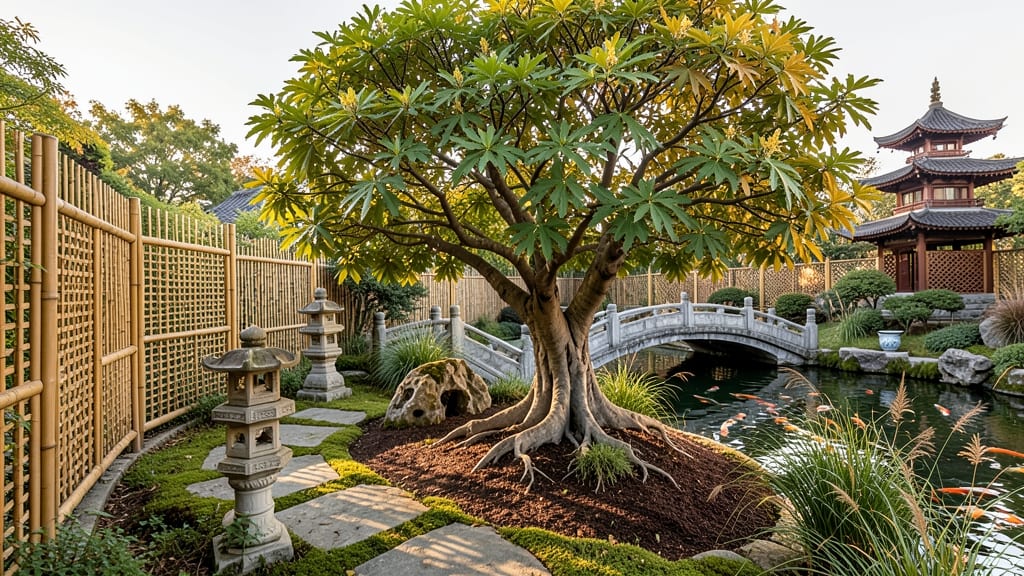
The Chinese Scholar Garden in Staten Island offers a tranquil escape inspired by 18th-century Ming-Qing dynasty aesthetics, featuring classical pavilions, serene koi ponds, and meticulously curated plantings of bamboo, wisteria, and native species that create a harmonious balance between nature and architecture.
The Chinese Scholar Garden in Staten Island is a masterpiece of cultural adaptation, where traditional Chinese design principles meet modern horticulture. 🌿 This 1.5-acre garden recreates the intimate, scholarly atmosphere of classical Chinese gardens—think curved bridges, stone lanterns, and carefully placed rocks—while using hardy plants that thrive in Staten Island's climate.
What makes it special is how it translates ancient concepts like yin-yang balance and borrowed scenery into a local landscape, making it both an educational experience and a peaceful retreat.
Unlike many public gardens, this one focuses on symbolic plant pairings (like pine-bamboo-plum for longevity) and architectural details that tell stories. 🏮 Visitors often comment on how the garden's layout encourages mindful walking—every path has a purpose, whether it's leading you to a quiet pavilion or past a pond where koi glide beneath arched stone bridges.
The garden's seasonal transformations, from spring wisteria blooms to autumn moon-viewing spots, demonstrate how Chinese gardens were designed to be enjoyed year-round.
💡 In This Article
- How Traditional Chinese Garden Design Shapes Staten Island’s Scholar Garden
- Best Plants to Grow at Home Inspired by Chinese Scholar Gardens
How traditional Chinese garden design shapes Staten Island’s scholar garden
The garden's layout follows the yin-yang principle, where every element has a complementary counterpart. For example, the curved bridges (representing water's fluidity) contrast with the rigid stone lanterns (symbolizing earth's stability).
The 12-foot-long koi pond mirrors the moon during full cycles—a deliberate design choice inspired by Ming dynasty moon-viewing traditions. 🌙 Even the bamboo groves (up to 15 feet tall) are strategically placed to create "borrowed scenery," where distant views appear framed through the garden's openings, a technique called shan shui.
Rock placement is another key feature, with carefully selected schist and granite stones (ranging from 3 inches to 3 feet in height) arranged to mimic natural landscapes. These aren't just decorative—they represent mountains and islands, essential elements in Chinese landscape painting.
The garden's three main pavilions (each with different roof styles) serve specific functions: the tea house pavilion has a curved roof for sound diffusion, while the garden gate pavilion features a flat roof to symbolize stability.
The materials—like cedar wood and hand-carved stonework—were chosen for their durability in Staten Island's humid summers (85°F+) and freezing winters (-10°F).
Water management demonstrates ingenious adaptation. The recirculating koi pond system uses a 1,200-gallon capacity with a submersible pump that maintains 68-72°F water temperature—ideal for koi health. This closed system conserves water while preventing mosquito breeding, a common challenge in Staten Island's 12 inches of annual rainfall.
The pond's three-tiered waterfall creates white noise that masks city sounds, a technique borrowed from ancient gardens designed for scholars seeking quiet reflection. 🌊
Seasonal plant rotations are carefully planned to maintain the garden's year-round harmony. In spring, wisteria vines (which can grow 30 feet in ideal conditions) climb the pavilion arches, while azaleas bloom in clusters of 20-30 flowers per stem.
Summer brings hostas with 12-inch-wide leaves that provide shade, and autumn features Chinese junipers with blue-green needles that turn golden. Even the orchids (over 50 varieties) are placed near the dehumidifier-equipped greenhouse to maintain 60-70% humidity—critical for their survival in Staten Island's dry winters.
What makes this garden unique is how it blends cultural symbolism with practical horticulture. For instance, the pine trees (symbolizing longevity) are pruned to maintain their pyramidal shape, while the bamboo is regularly divided to prevent overcrowding.
The garden's 1,200-square-foot meditation garden uses gravel paths (which stay cooler than grass in summer) and stone benches arranged in five-pointed star patterns—a design that encourages visitors to walk in a Tai Chi-inspired path.
This thoughtful integration of movement and nature is what makes the Staten Island garden both an educational tool and a living work of art. 🎨