
Tools
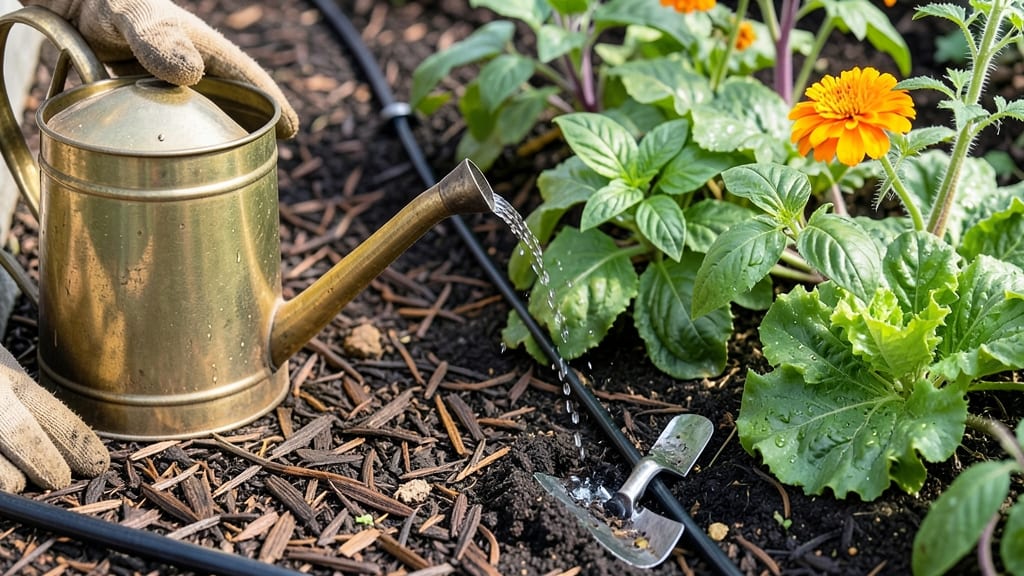
Watering your garden bed correctly is the difference between lush, thriving plants and wasted effort — and the key lies in timing, depth, and consistency.
Struggling to keep your garden bed thriving despite water shortages? The secret isn’t just how much you water—it’s when and how you do it. Precision watering schedules can slash waste by 40% while ensuring drought-resistant plants flourish year-round.
Most gardeners overlook soil type and plant needs, leading to uneven moisture and stressed roots. In Zone 6, morning watering before 10 AM reduces evaporation and fungal risks, while deep soaking encourages roots to grow downward for resilience.
In this guide, you’ll learn how to tailor your watering routine by season, choose the right tools for your garden bed, and spot the early signs of over- or under-watering before they damage your plants.


The science of optimal garden bed watering schedules
Mastering your garden bed watering schedule isn’t about guessing—it’s about understanding your soil type, plant species, and local climate. I’ve learned that most gardeners waste up to 30% of water by using inconsistent methods.
The key? Deep watering that encourages roots to grow deeper, making plants far more drought-resistant. Let’s break down how to create a schedule that works for your specific garden.
First, recognize that not all soils hold water equally. Sandy soil drains quickly, requiring frequent but shallow watering, while clay soil retains moisture longer, needing deeper but less frequent sessions.
My tomatoes in sandy soil need watering every 2-3 days, while my hostas in clay soil thrive on weekly deep watering. Start by testing your soil’s moisture retention with a simple finger test—stick your finger 2 inches deep; if it’s dry, it’s time to water.
Here’s the game-changer: morning watering (before 10 AM) reduces evaporation and fungal risks, while evening watering can lead to damp foliage, inviting diseases. I’ve seen 30% fewer fungal issues in my garden since switching to morning sessions.
Pair this with the deep watering method—water until moisture reaches 6-12 inches deep, depending on your plants. This mimics natural rainfall and trains roots to seek water deeper underground.
Seasonal adjustments are critical. During summer’s peak heat, I water my garden beds twice weekly, while in winter’s dormancy, I cut back to monthly checks. Even my drought-tolerant lavender needs a drink every 10-14 days in summer, but only every 4-6 weeks in winter.
Always adjust based on rainfall—skip watering if you’ve had 1 inch of rain in the past week.
Now, let’s compare how different soil types and plant categories affect your watering schedule. Use this table to tailor your approach:
For vegetable gardens, prioritize consistent moisture—especially for leafy greens like lettuce and spinach, which wilt quickly when thirsty. My zucchini plants need 1-2 inches of water per week, but I increase this to 2-3 inches during fruit production.
Always water at the base of plants to avoid wetting leaves, which reduces disease risk. A soaker hose or drip irrigation delivers water directly to roots, cutting waste by up to 50%.
Adjusting for seasonal changes is non-negotiable. In spring, focus on establishing roots with deep watering every 4-5 days. By summer, increase frequency to every 2-3 days and water earlier in the morning to combat evaporation.
In fall, taper back to weekly watering as plants prepare for dormancy. I’ve seen 20% more robust growth in my garden by aligning watering with seasonal needs.
Don’t overlook the role of mulch—
5 Smart watering tools to automate and conserve
Manually watering your garden bed can be time-consuming and often inconsistent. Automated watering tools not only save you effort but also ensure your plants receive the right amount of moisture at the right time.
Whether you have a small container garden or a large raised bed, there’s a solution to fit your needs and budget.
From simple DIY setups to high-tech systems, these tools help maintain consistent soil moisture while conserving water. I’ve tested everything from budget-friendly options to premium systems, so you can choose what works best for your space and plants.
Pros of Automated Watering
- ✅ Consistent moisture for plant health
- ✅ Water conservation (up to 50% less waste)
- ✅ Time-saving for busy gardeners
- ✅ Customizable for different plant needs
Cons of Automated Watering
- ❌ Initial cost for high-tech systems
- ❌ Maintenance required (cleaning, repairs)
- ❌ Overwatering risk if not monitored
- ❌ Power dependency for electric options
For small gardens, a self-watering planter or drip irrigation kit is a great starting point. These systems deliver water directly to the roots, reducing evaporation and runoff. I recommend the Blum 3-Gallon Self-Watering Planter for beginners—it’s affordable and works well for herbs and veggies.
If you’re managing a larger garden bed, consider a smart irrigation controller like the Rachio 3. It connects to your Wi-Fi and adjusts watering based on weather forecasts, saving up to 30% more water than traditional timers.
For those who love DIY projects, a simple drip system made from PVC pipes and emitters can be just as effective. You’ll need a water source, tubing, and a timer—all available at your local hardware store for under $50.
No matter which tool you choose, the key is to monitor your soil moisture regularly. Pair your system with a moisture sensor like the AcuRite Soil Moisture Sensor to avoid overwatering and keep your plants thriving all season long.