
Tools
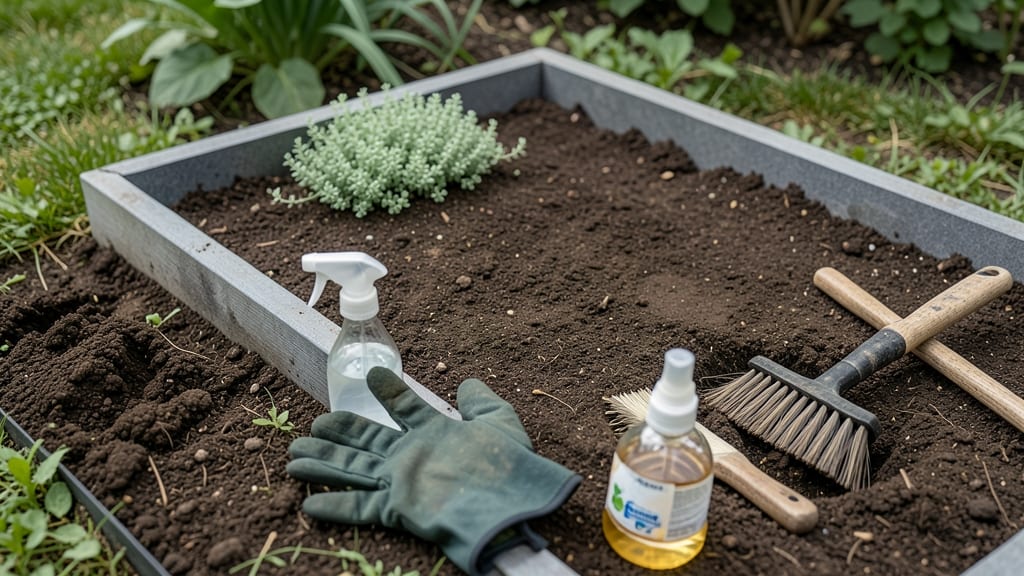
Selecting the right garden bed sealant requires matching your soil type, plant requirements, and local climate. Natural choices such as wood chips or straw enhance soil fertility over time, while artificial barriers like black plastic or landscape fabric control weeds and preserve moisture without changing soil composition.
Your garden's success starts with the right soil barrier. Organic sealants like straw or shredded leaves break down gradually, feeding your plants while improving drainage and aeration. Synthetic options, on the other hand, create a moisture barrier that's ideal for drought-prone areas but may require removal before planting.
For example, landscape fabric lets water through while blocking weeds—perfect for perennial beds. Climate matters too: in hot regions, mulch keeps roots cool, while in wet areas, plastic prevents soil compaction. 💫
Pro tip: Test your soil first. Sandy soils benefit from organic matter to retain moisture, while clay soils often need synthetic barriers to prevent erosion. Always leave gaps around plant stems to avoid suffocating roots during installation.
💡 In This Article
- Types of Garden Bed Sealants: Organic vs Synthetic
- How to Select the Right Sealant for Your Garden Plants
Types of garden bed sealants: organic vs synthetic
Organic sealants like straw, wood chips, or shredded leaves work by slowly decomposing into the soil, adding nutrients and improving its structure over time. This process, called decomposition, releases organic matter that feeds beneficial microbes and earthworms, creating a thriving ecosystem for plant roots.
For example, a 3-inch layer of straw mulch can reduce soil temperature fluctuations by 10-15°F, protecting shallow-rooted plants like lettuce or strawberries from heat stress during summer. 🌱
Synthetic sealants, such as landscape fabric or black plastic sheeting, operate differently—they create a physical barrier that blocks weeds while regulating moisture. Landscape fabric, made from woven polypropylene, allows water and air to pass through its 0.04-inch pores, preventing compaction while suppressing weeds by up to 95%.
Black plastic, on the other hand, works by absorbing sunlight and warming the soil, which speeds up germination for crops like tomatoes or peppers. However, it traps heat, making it unsuitable for heat-sensitive plants like basil or cilantro.
The choice between organic and synthetic depends on your goals. Organic sealants are ideal for long-term garden beds where you want to build soil fertility, like vegetable patches or perennial flower gardens.
Synthetic options shine in temporary setups, such as raised beds or container gardens, where weed control is critical but soil health isn't a priority.
For instance, a 6-month tomato bed lined with landscape fabric will stay weed-free but won't improve soil quality, while straw mulch in a perennial border will enrich the soil over years.
One key difference lies in how each affects root growth. Organic materials break down, creating air pockets that encourage deep root penetration, which is vital for vegetables like carrots or potatoes.
Synthetic barriers, however, can restrict root expansion if installed too close to plants—always maintain a 2-inch gap between the sealant and stems to avoid stunting growth. 🌿
Consider the environmental impact too. Organic sealants are biodegradable and reduce plastic waste, but they require replenishing annually. Synthetic options last longer (3-5 years for fabric, 1-2 years for plastic) but contribute to landfill waste if not recycled.
For sustainable gardening, opt for certified compostable plastic or natural fibers like jute, which decompose without harming soil microbes.
Another factor is cost. Organic mulches like wood chips cost $3-$8 per cubic yard, while landscape fabric runs $0.50-$2 per square foot. Black plastic is the cheapest at $0.10-$0.30 per square foot, but its single-use nature makes it less economical over time.
Weigh these factors against your garden's needs—short-term savings might not justify long-term soil degradation.
For a balanced approach, many gardeners use a hybrid system: landscape fabric as a weed barrier topped with organic mulch. This combo blocks weeds while improving soil health, making it perfect for mixed gardens with both vegetables and ornamentals. 🌟