
Tools
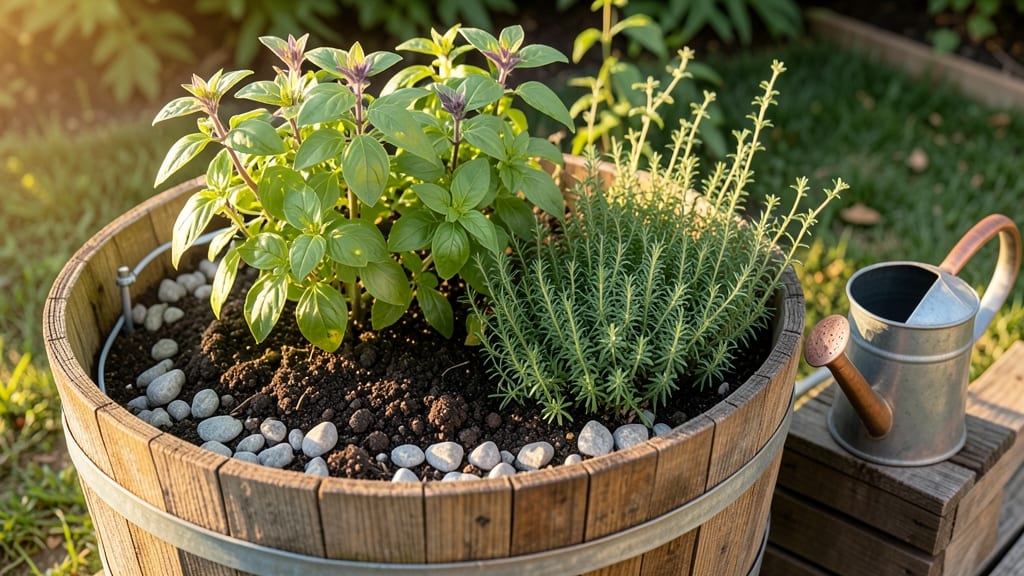
A garden tub is a large decorative planter designed for outdoor gardening, typically holding 10+ gallons and perfect for growing herbs, vegetables, or small shrubs in patio landscapes.
A garden tub stands out from regular planters because of its size and functionality.
These containers are built to handle substantial root systems, making them ideal for plants that need more space to thrive, like tomatoes or rosemary bushes. 🌿 The deeper soil capacity also helps maintain moisture levels better than shallow planters, which is especially helpful in hot climates.
Plus, their larger footprint allows for better stability, so they won't tip over easily when filled with soil and plants.
Unlike raised garden beds, garden tubs are portable and come in a variety of stylish designs that can elevate your outdoor space. Whether you're growing edibles or ornamental plants, these containers offer both practicality and aesthetic appeal.
The key is choosing one with proper drainage holes and a sturdy base to prevent waterlogging and ensure longevity.
💡 In This Article
- Materials and Design Features of Garden Tubs
- Best Plants for Garden Tubs and Care Tips
Materials and design features of garden tubs
Garden tubs are engineered with specific materials to balance durability, weight, and functionality. Resin is the most popular choice because it's lightweight yet strong, resisting cracking from freeze-thaw cycles and weighing about 10-20 pounds when empty.
Fiberglass offers a similar weight advantage but with a smoother finish that's easier to clean, though it can degrade under prolonged UV exposure without protective coatings. 🌿 For a more natural look, untreated cedar or redwood tubs provide excellent insulation for plant roots but require annual sealing to prevent rot—these can weigh 30-50 pounds when filled.
The drainage system is where design truly matters. Most quality garden tubs feature 1-3 drainage holes at the base, often covered with mesh to prevent soil loss while allowing excess water to escape.
Some premium models include self-watering reservoirs at the bottom, which can hold 1-2 gallons of water to keep roots hydrated for 3-5 days between waterings. This is particularly valuable for busy gardeners or during hot summers when evaporation rates climb to 0.25 inches per day for exposed soil.
Ergonomic features make all the difference in usability. Many garden tubs incorporate built-in handles on the sides or top edges, designed to fit two hands comfortably while lifting 50-100 pounds of filled weight. Some even have non-slip feet made from rubber or metal to prevent shifting on patios or decks.
The depth of these containers—typically 12-18 inches—allows for deeper root systems, which is crucial for vegetables like tomatoes that need 6-12 inches of soil depth to support their growth.
Material choice directly impacts maintenance needs. Metal tubs, often made from galvanized steel or copper, offer a sleek industrial look but require regular painting to prevent rust—especially in coastal areas where salt air accelerates corrosion.
Meanwhile, ceramic or concrete tubs provide excellent insulation but can weigh 100+ pounds when empty, making them impractical for frequent moving. The trade-off between weight and durability is why resin remains the gold standard for most home gardeners.
Design innovations extend beyond basic functionality. Some modern garden tubs include integrated trellises for climbing plants or modular stacking systems that let you create tiered arrangements. The best designs also consider water retention—look for tubs with sloped bottoms that channel water toward drainage holes, preventing root rot.
For example, a 20-gallon resin tub might hold 15-18 gallons of soil when planted, demonstrating how capacity numbers can vary based on material density and design.
One often-overlooked feature is the saucer tray that catches drainage water. A well-designed tray should hold at least 1-2 gallons to prevent water from pooling around your plants' roots. Some premium models even include overflow spouts to direct excess water away from your patio.
This detail becomes especially important in rainy climates where poor drainage can lead to fungal diseases like root rot, which affects 30% of container-grown plants annually.
For gardeners in colder climates, consider tubs with insulated walls that protect roots from temperature fluctuations. The ideal material thickness varies by region—1/4-inch walls work for mild winters, while 1/2-inch insulation is better for zones with 10°F or lower winter temperatures.
This attention to detail ensures your plants thrive year-round, whether you're growing heat-loving basil or cold-hardy kale.