
Tools
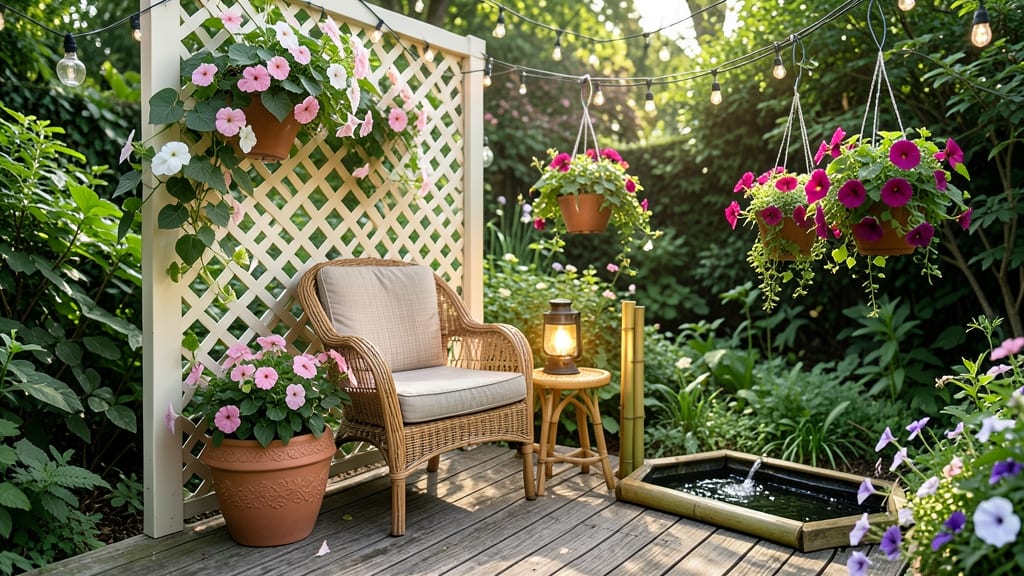
A screened-in garden blends outdoor beauty with indoor comfort, creating a private retreat where you can garden, dine, or relax—no bugs, no wind, just year-round enjoyment.
Picture this: a cozy corner where herbs grow within arm’s reach of your morning coffee, or a shaded nook where flowering shrubs bloom without a single pest in sight.
The magic lies in choosing the right plants—ones that thrive in enclosed spaces while keeping your space lush, fragrant, and visually stunning.
In Zone 6, where spring planting kicks off in March, the key is selecting fast-growing, low-maintenance 🌿 Screened-In Garden Plants (General) that layer height, texture, and seasonal color.
Whether you’re shielding a patio or framing a dining area, the right plant mix transforms a simple screen into a vibrant, functional oasis.
Below, I’ll share five top picks that deliver privacy, beauty, and minimal upkeep—plus how to arrange them for maximum impact. Ready to design your perfect screened-in escape?
Top 5 privacy plants for screened-in gardens that thrive year-round
A screened-in garden offers the perfect blend of outdoor charm and protection from pests, wind, and harsh weather. The key to maximizing privacy while keeping your space lush and inviting lies in selecting the right plants.
I’ve curated five fast-growing, low-maintenance options that deliver year-round privacy without overwhelming care. These plants thrive in enclosed spaces, offering height, texture, and seasonal color to transform your screened garden into a serene retreat.
When choosing plants for screened gardens, prioritize hardiness, growth speed, and adaptability to confined spaces. The plants below were selected for their ability to thrive in partial shade to full sun—common conditions in screened environments—and their resilience to humidity fluctuations, which can occur in enclosed areas.
Whether you’re aiming for a tall, dense hedge or a textured, layered look, these options deliver.
Comparison Table: Top 5 Privacy Plants for Screened Gardens
At the top of my list is clumping bamboo, a powerhouse for rapid privacy. Unlike running bamboo, clumping varieties like Fargesia robusta stay contained and grow 1-3 feet per year. They thrive in partial to full sun and add a tropical, lush feel to screened gardens.
For a low-maintenance evergreen option, arborvitae is unbeatable. This needle-leaved shrub grows steadily and provides year-round coverage with minimal pruning. Its disease resistance makes it ideal for enclosed spaces where airflow can be limited.
Hydrangeas bring seasonal color and soft texture to screened gardens. Varieties like Endless Summer hydrangeas bloom from summer to fall and tolerate partial shade, making them perfect for areas with filtered light. Their large flower clusters add visual interest while providing moderate privacy. If you prefer a neat, structured look, boxwood is a classic choice. These evergreen shrubs grow slowly but can be pruned into hedges or topiaries, offering versatility in design. They thrive in partial shade to full sun and require only occasional trimming to maintain shape.
For movement and texture, ornamental grasses like Miscanthus sinensis or Pennisetum are game-changers. These grasses grow 1-2 feet per year and add dynamic visual interest with their plumes and swaying foliage.
They’re drought-tolerant once established and thrive in full sun to partial shade, making them ideal for screened gardens with varying light conditions. Plus, their winter interest keeps your space looking vibrant year-round.
When selecting plants for your screened garden, consider layering heights and textures for a natural, full look. For example, pair tall bamboo or arborvitae at the back with hydrangeas or boxwood in the middle, and ornamental grasses in the front.
This creates depth and visual appeal while maximizing privacy. Remember, container gardening is also an option for screened spaces with limited ground area—just ensure your pots have drainage holes and use lightweight, well-draining soil.
One common mistake I see is overcrowding plants
How to layer plants for maximum privacy and seasonal interest
A screened-in garden thrives when you strategically layer plants by height, texture, and bloom cycles. This approach ensures year-round privacy while keeping your space visually dynamic. Start with tall evergreens as your foundation, then add mid-height shrubs, and finish with cascading plants or ground covers.
This vertical gardening technique maximizes space and creates a lush, layered look.
Evergreens like arborvitae or bamboo form the backbone of your privacy screen. They provide year-round coverage and block views without sacrificing sunlight. Pair them with seasonal bloomers like hydrangeas or roses to add color and interest. Finally, incorporate ornamental grasses or ferns for movement and texture.
- Top Layer (6-12 ft): Tall evergreens (e.g., arborvitae, leucothoe) for instant privacy
- Mid Layer (3-6 ft): Flowering shrubs (e.g., hydrangeas, azaleas) for seasonal color
- Lower Layer (1-3 ft): Ground covers (e.g., ivy, hostas) to fill gaps and prevent weeds
- Vertical Accents: Climbing plants (e.g., clematis, jasmine) on trellises for height without bulk
- Seasonal Swaps: Replace summer annuals (e.g., petunias) with winter pansies for year-round interest
When selecting plants, consider their mature size and growth rate. Fast growers like bamboo or privet hedges deliver quick privacy, while slower growers like boxwood offer refined structure. Mix broadleaf evergreens with needle-leaved varieties to create visual contrast. For example, pair holly bushes with arborvitae for texture variety.
Don’t overlook foliage color—purple-leaf plumbago or golden barberry add vibrancy without flowers. These plants shine in low-light conditions, perfect for screened-in spaces. Place them near windows or under taller plants to brighten shady corners.
For extra drama, add variegated plants like dwarf mondograss to create visual interest at ground level.
Plan your bloom cycles to ensure continuous color. Spring bloomers like azaleas transition to summer hydrangeas, followed by fall mums and winter hellbores. This seasonal rotation keeps your garden lively year-round.
Group plants with similar water needs together to simplify maintenance. For instance, place drought-tolerant lavender near rosemary and moisture-loving hostas with ferns.
Finally, incorporate scented plants like jasmine or gardenia to enhance your screened-in experience. Their fragrance adds another sensory layer to your private retreat. Prune regularly to maintain shape and encourage bushier growth. With this layered approach, your screened-in garden will be a private, vibrant sanctuary in every season.