
How To
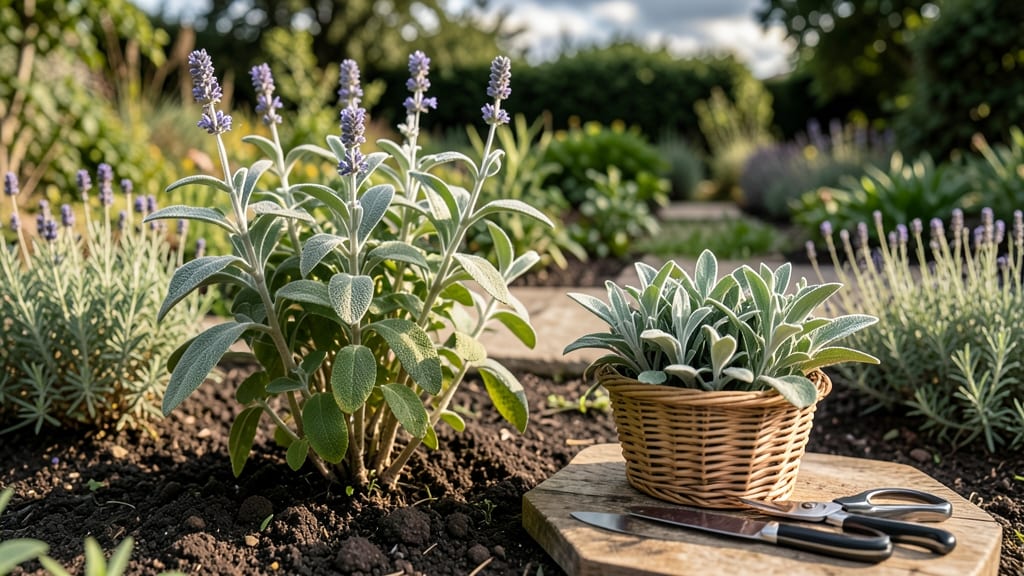
To harvest garden sage at its peak flavor and keep your plant thriving, focus on timing, technique, and pruning—each step makes all the difference.
Picture this: You’ve spent months nurturing your 🌿 sage, and now the moment has arrived to pick the perfect leaves. But if you harvest too early or too late, you’ll either ruin the flavor or stunt future growth.
Worse, you might even kill the plant if you’re too aggressive. The secret? Knowing exactly when to cut and how to do it without harm.
Sage thrives in USDA Zone 6a and loves late summer to early fall for harvesting—when the leaves are fully developed and fragrant. But even then, you’ve got to prune just right to encourage bushier regrowth.
Skip the guesswork and learn the 3-step method that keeps your sage lush year after year.
From culinary uses to medicinal benefits, harvested sage can elevate your dishes and even boost your health. Below, I’ll walk you through the best time to harvest, the sharpest pruning techniques, and how to store your bounty so it stays fresh and flavorful for months.
Best time to harvest sage for maximum flavor and plant health
Timing your sage harvest is everything—cut too early, and the flavor won’t develop fully. Harvest too late, and you risk bitter leaves or stunted regrowth.
The best time to harvest garden sage is when the plant is mature but hasn’t yet flowered, typically in late summer or early fall (August–October in most climates). This window ensures peak essential oils and aromatic compounds, which fade once flowers appear.
For perennial sage varieties, like Salvia officinalis, the ideal harvest stage is when stems reach 6–12 inches tall and leaves are deep green and fragrant.
Rub a leaf between your fingers—if it releases a strong, earthy scent, it’s ready. Climate plays a role: In warmer regions (USDA Zones 8–10), you might harvest as early as July, while cooler zones (Zones 5–7) should wait until September.
Here’s a quick reference to help you plan your harvest based on your sage’s growth stage and local climate:
| Growth Stage | Best Harvest Time | Climate Notes | Flavor Impact |
|---|---|---|---|
| Early Spring (New Growth) | Avoid harvesting | Tender leaves lack flavor | Mild, underdeveloped |
| Late Spring (6–12" Stems) | Light trimming only | Cool climates: Wait until June | Moderate, improving |
| Summer (Pre-Flowering) | Prime harvest window | Warmer zones: July–August | Peak flavor, aromatic |
| Early Fall (Post-Flowering) | Harvest sparingly | Cooler zones: September–October | Slightly bitter, reduced oils |
| Winter (Dormant) | No harvesting | Plant rests; regrowth halts | Stale, no regrowth |
If you miss the pre-flowering window, don’t panic—you can still harvest sage after flowers appear, but the flavor will be less intense. Focus on younger stems and lower leaves, as these retain more essential oils.
For culinary use, prioritize harvesting in the morning after dew has evaporated. This ensures the highest concentration of volatile oils, which give sage its signature aroma.
For perennial sage plants, regular harvesting actually encourages bushier growth. I recommend harvesting no more than one-third of the plant at a time to avoid stress. Use clean, sharp pruners or scissors to cut just above a leaf node.
This promotes new growth from the base and keeps your sage looking full and healthy year after year.
In drier climates, sage may go dormant earlier, so adjust your harvest timeline accordingly. Watch for brown leaf edges or stunted growth, which signal the plant is conserving water. Reduce harvesting in these conditions and focus on watering deeply (but not excessively) to support recovery.
Mulching with straw or wood chips can also help retain moisture and protect roots during dry spells.
One common mistake is harvesting woody stems that have already flowered. These stems are past their prime and won’t regrow as vigorously. Instead, target tender, green stems with fully opened leaves.
If your sage plant is over 2 years old, it may produce more woody growth—consider rejuvenating pruning in early spring to encourage fresh, flavorful shoots.
Pro tip: Label your sage plants if you’re growing multiple varieties, like Salvia officinalis (common sage) or Salvia nemorosa (purple sage). Each has slightly different harvest windows and flavor profiles.
For example, Salvia officinalis is best harvested in late summer, while Salvia nemorosa may yield better in early fall due to its later flowering cycle.
Finally, remember that sage is a hardy perennial in many climates. With the right harvesting schedule and aftercare, your plant can thrive for decades, providing fresh herbs for cooking, teas, or even ornamental use.
The key is balance: harvest often enough to enjoy the flavor, but not so much that you weaken the plant.
🌿
Step-by-step sage harvesting and pruning techniques
Harvesting your garden sage correctly ensures a steady supply of flavorful leaves while keeping the plant healthy and bushy. The key is to use the right cutting techniques and avoid over-harvesting, which can stress the plant.
I’ve found that timing your cuts just before flowering—when leaves are fully developed—gives the best flavor and encourages new growth.
Start by selecting healthy stems with at least 4-6 mature leaves. Cut just above a leaf node (where leaves meet the stem) to promote branching.
This simple technique encourages your sage to grow fuller over time. Always use clean, sharp pruning shears to avoid damaging the plant and spreading disease.
How to Harvest Garden Sage
- Step 1: Choose stems with 4-6 mature leaves and a slight woody texture.
- Step 2: Use clean pruning shears to cut just above a leaf node at a 45-degree angle.
- Step 3: Harvest no more than 1/3 of the plant at once to avoid stressing it.
- Step 4: Focus on outer stems first to encourage bushier growth toward the center.
- Step 5: Remove flowering stems immediately to redirect energy to leaf production.
After harvesting, give your sage plant a little TLC to encourage regrowth. Prune any dead or yellowing leaves to keep the plant healthy. I like to water deeply after pruning to help the plant recover and stimulate new growth.
This is especially important during hot, dry periods when sage can become stressed.
To maintain a bushier shape, I recommend pinching back the tips of new growth occasionally. This encourages the plant to branch out instead of growing tall and leggy.
Regular pruning also prevents woody stems from forming too quickly, keeping your sage productive for years. Just remember: less is more—over-pruning can weaken the plant.
For year-round harvests, I plant sage in a location with full sun and well-draining soil. This ensures it thrives even in cooler months. In late fall, reduce watering slightly as the plant prepares for dormancy, but avoid heavy pruning until early spring.
With the right care, your sage will reward you with abundant, flavorful leaves season after season.
Pro tip: Store freshly harvested sage in the fridge for up to a week or dry it for long-term use. Hang bundles upside down in a dark, dry place for 1-2 weeks until crispy. This preserves the flavor and makes it easy to use in cooking or crafts.