
Tools
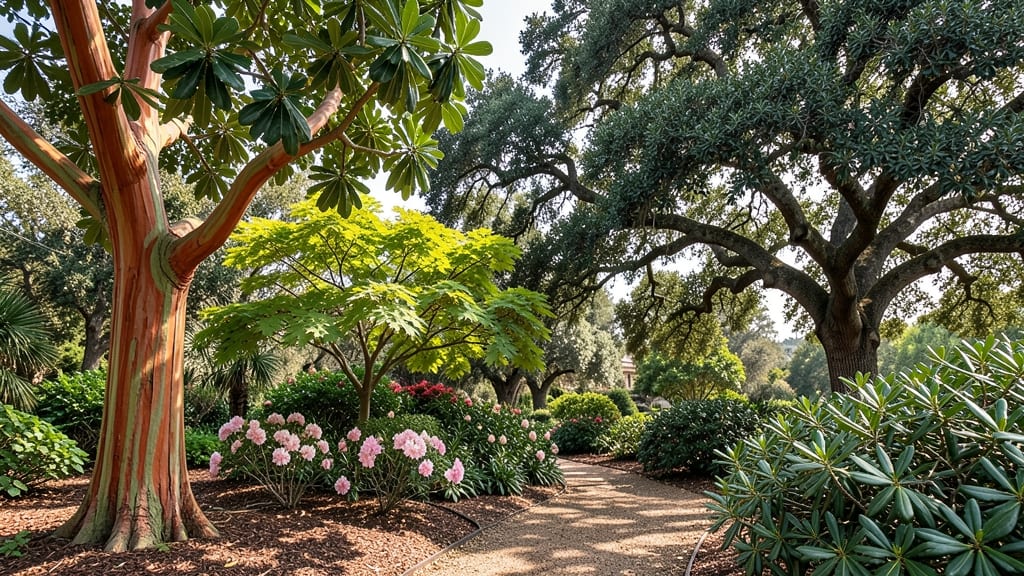
Visiting Filoli Garden in Redwood City reveals a breathtaking 555-acre estate where historic architecture meets meticulously designed gardens, featuring rare plant collections, ever-changing seasonal displays, and tranquil woodlands ideal for nature enthusiasts and photographers.
This 1915 estate isn't just about its famous gardens—it's a living museum of California horticulture, where every path tells a story. 🌿 The property's 20+ themed gardens (like the Japanese Tea Garden and Children's Garden) showcase rare camellias and native flora, while the historic mansion offers a glimpse into the Gamble family's legacy.
What sets Filoli apart is its seasonal transformations: spring's azaleas, summer's roses, and autumn's golden foliage create ever-changing photo opportunities.
The estate also hides secret pathways connecting lesser-known areas, perfect for quiet exploration. Whether you're admiring the 19th-century conservatory or wandering through the woodlands, Filoli delivers a full sensory experience that goes beyond typical botanical gardens.
Pro tip: Weekday mornings offer the best light for photography, while late summer reveals the estate's most vibrant displays.
💡 In This Article
- Filoli’s Historic Gardens and Plant Collections
- Hidden Gems and Seasonal Highlights at Filoli
Filoli’s historic gardens and plant collections
Filoli’s gardens were meticulously designed by the Gamble family in the early 20th century, blending European landscaping traditions with California’s native flora. The estate’s 20+ gardens showcase rare plant varieties like 100+ camellia species, some dating back to the 1800s, alongside 1,500+ roses from historic cultivars.
The Japanese Tea Garden, a 1915 addition, features carefully pruned maples and koi ponds arranged according to traditional wabi-sabi principles, emphasizing natural imperfection in harmony with stone and water.
The gardens’ seasonal transformations rely on scientific plant pairings—cool-season blooms like daffodils and tulips (March-April) give way to hydrangeas and lavender (May-July), while autumn’s goldenrod and asters extend the color palette.
The conservatory’s controlled humidity (60-70%) preserves tropical plants like orchids and ferns year-round, demonstrating how 19th-century greenhouse technology still thrives today. 🌸 What’s fascinating is how the estate’s native California plants, such as Ceanothus (wild lilac) and Manzanita, are integrated into the design, creating a seamless transition between cultivated and wild landscapes.
This horticultural legacy extends beyond aesthetics—the estate’s 1915 plant catalog (now digitized) reveals the Gambles’ obsession with documenting every specimen. The Camellia Walk, a 1920s addition, features 40 varieties blooming from November to March, while the Rhododendron Dell bursts with color in April.
What makes this preservation unique is Filoli’s role in reintroducing heirloom plant varieties that were nearly lost, like the 'Belle of Nashville' magnolia, a pre-1900 cultivar.
For visitors, the gardens offer a sensory journey—camellia petals release a lightly floral, slightly citrusy aroma when crushed, while the Japanese Tea Garden’s powdered green tea scent lingers in the air.
The Children’s Garden’s interactive elements, like the scented herb spiral, teach kids (and adults) how plants connect to all five senses. Even the woodland trails, covering 30+ acres, feature native grasses and wildflowers that change with the seasons, creating a dynamic backdrop for birdwatching and photography.
The estate’s horticultural team maintains these collections using historically accurate techniques—like hand-pruning 100-year-old trees—while incorporating modern sustainability practices. For example, the drip irrigation system (installed in 2010) reduces water usage by 40% without compromising the gardens’ health.
This balance of tradition and innovation is what makes Filoli’s plant collections both a living museum and a working garden.
Pro tip: The Camellia Festival (February-March) and Rhododendron Festival (April) offer the most vibrant displays, but even off-season, the evergreen topiaries and winter-blooming hellebores provide year-round interest. The estate’s free self-guided maps highlight these seasonal shifts, helping visitors plan their visit around the blooms they’ll love most.