
Tools
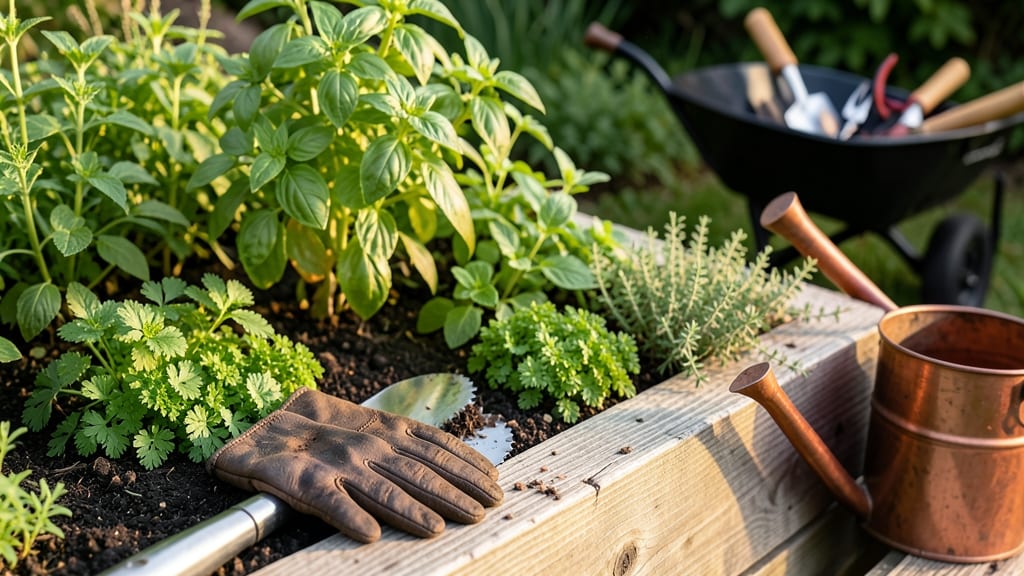
Gardening counts as moderate exercise because it engages multiple muscle groups, elevates heart rate, and burns calories—comparable to light jogging or brisk walking. Digging, lifting, and bending provide strength and endurance benefits, though intensity varies by task and duration.
When you think of exercise, gardening might not be the first activity that comes to mind—but it absolutely qualifies as physical activity with real fitness benefits. 🌱 The repetitive motions of digging, pulling weeds, and carrying soil or plants engage your legs, core, and upper body simultaneously, creating a full-body workout.
Studies show that even 30 minutes of gardening can burn between 150-300 calories, depending on the intensity, which aligns with the CDC's guidelines for moderate exercise.
What makes gardening unique is how it blends strength training with cardiovascular benefits. Tasks like raking leaves or pruning branches elevate your heart rate, while squatting to plant seeds or lifting bags of compost builds muscle endurance.
Unlike traditional workouts, gardening also offers mental health perks—reducing stress and improving mood—making it a double win for your body and mind.
💡 In This Article
- How Gardening Burns Calories and Boosts Fitness
- Maximizing Gardening’s Exercise Benefits: Techniques and Tools
How gardening burns calories and boosts fitness
Gardening qualifies as moderate exercise because it triggers your body's energy systems in ways similar to structured workouts. When you dig into the soil, your legs and glutes engage in repetitive motions that can burn up to 200-300 calories per hour, depending on intensity.
The act of pulling weeds or pruning plants requires controlled movements that work your arms, shoulders, and core—comparable to resistance training. These activities elevate your heart rate to 50-70% of your maximum, meeting the CDC's criteria for moderate physical activity.
The key lies in how gardening combines strength and cardio. For example, lifting a 20-pound bag of soil repeatedly engages your upper body and back, while bending to plant seeds strengthens your lower back and hamstrings.
Even tasks like raking or pushing a wheelbarrow can increase your heart rate to levels seen in brisk walking. 🌱 The continuous movement—especially in larger gardens—creates an aerobic effect, much like jogging but with added muscle activation.
What sets gardening apart is its ability to provide a full-body workout without equipment. Unlike gym sessions that isolate muscle groups, gardening naturally works multiple areas simultaneously.
Research from the University of Utah found that gardening can improve grip strength by 15-20% over time, while the bending and reaching motions enhance flexibility. The variability in tasks—from digging to watering—keeps your body adapting, similar to circuit training.
However, the intensity varies dramatically based on task and effort. A leisurely stroll through the garden with minimal activity might burn only 100-150 calories per hour, while vigorous digging or hauling heavy materials can push calorie expenditure toward 300-400 calories per hour.
The key difference from traditional exercise is that gardening's benefits accumulate over time, making it a sustainable way to stay active daily.
Consider this comparison: 30 minutes of weeding burns roughly the same calories as 30 minutes of light jogging, but with added muscle engagement. The rhythmic nature of tasks like raking or hoeing creates a meditative flow state that many find more enjoyable than structured workouts.
This mental engagement further enhances the physical benefits, making gardening a uniquely effective form of exercise.
For those tracking fitness metrics, gardening can improve VO2 max—the measure of cardiovascular fitness—by 5-10% over several weeks, similar to effects seen from consistent walking programs. The combination of strength, endurance, and flexibility gains makes it a well-rounded activity that complements traditional exercise routines beautifully.