
Tools
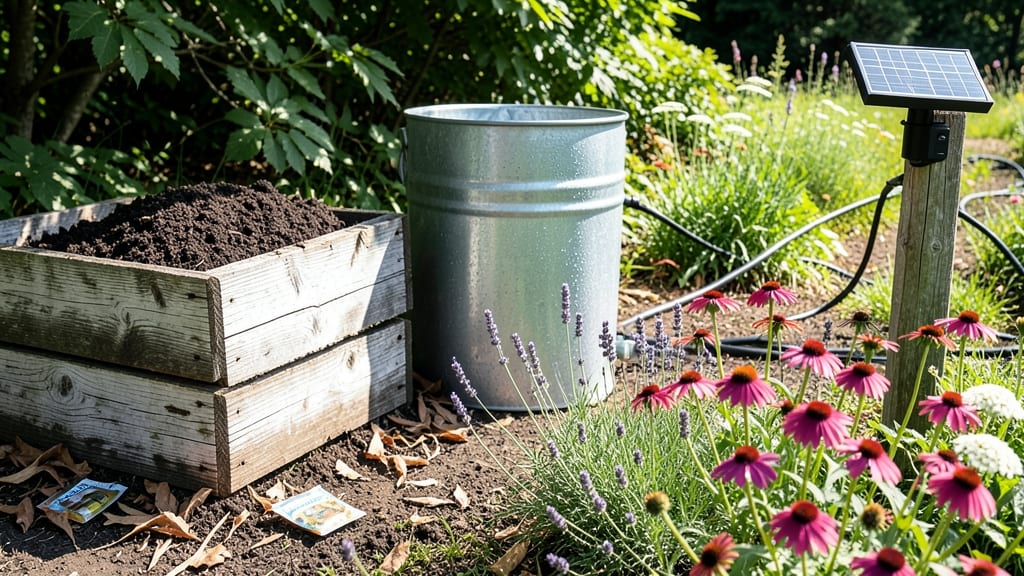
Gardening and the environment thrive together when sustainable practices—like native plant selection, organic pest control, and composting—create habitats that support pollinators, reduce water waste, and restore soil health, directly boosting biodiversity and ecosystem resilience.
Sustainable gardening doesn't just beautify your yard—it actively repairs local ecosystems.
Native plants, for example, provide food and shelter for bees, butterflies, and birds, while their deep roots prevent erosion and improve water filtration. 🌿 Organic pest control methods like companion planting and neem oil reduce chemical runoff, protecting aquatic life downstream.
Even small changes—like mulching or installing a rain barrel—can cut water usage by up to 50% while replenishing groundwater. The science is clear: every garden becomes a mini-ecosystem when designed with nature's needs in mind.
What's fascinating is how these practices create a feedback loop. Healthier soil stores more carbon, mitigating climate change, while diverse plantings attract beneficial insects that naturally suppress pests. This interconnected approach turns your garden into a self-sustaining habitat that thrives without external inputs.
The best part? You don't need a large space—even a balcony garden with herbs and pollinator-friendly flowers makes a measurable difference.
💡 In This Article
- How Sustainable Gardening Directly Enhances Ecosystem Health
- Practical Steps to Design an Eco-Friendly Garden
How sustainable gardening directly enhances ecosystem health
At its core, sustainable gardening acts like a biological amplifier for local ecosystems. Take native plants, for instance—their deep root systems can absorb up to 30% more water than non-native species, reducing runoff that carries pollutants into waterways.
These roots also create microhabitats for soil microbes, which break down organic matter 3-5 times faster than in depleted soils. This microbial activity isn't just about decomposition; it's the foundation of nutrient cycling that keeps plants and wildlife thriving.
The real magic happens in the pollinator pathways created by diverse plantings. A single acre of well-designed native gardens can support 10,000+ bees in peak season, compared to just 1,000 in conventional lawns. These insects aren't just busy—they're ecosystem engineers.
For every 1 pound of honey produced, bees pollinate 2 million flowers, ensuring fruit and seed production for birds and mammals.
The scent of blooming native wildflowers in late summer becomes a dinner bell for migrating monarch butterflies, whose populations have declined by 80% in 20 years—until gardens stepped in.
Soil health takes center stage here too. Composting garden waste boosts soil organic matter by 1-2% annually, which increases water retention by 50 gallons per 100 square feet during droughts.
The dark, crumbly texture you feel when working with healthy soil contains 1 billion microbes per teaspoon, each playing a role in breaking down toxins and building plant resilience.
This microbial network also sequesters carbon—gardens with 30% soil organic matter can store 3 tons of CO₂ per acre, equivalent to taking one car off the road for a year.
Water conservation becomes a two-way street. Drip irrigation systems paired with mulch reduce evaporation by 40% compared to overhead sprinklers, while also preventing the 23 million gallons of water wasted daily through runoff in average lawns.
The water that does penetrate becomes groundwater recharge, replenishing aquifers that sustain rivers and wetlands. Even rain barrels, collecting just 1 inch of rain from a 1,000 sq ft roof, yield 600 gallons—enough to water a garden for months without municipal supplies.
What's often overlooked is the climate regulation aspect. Trees and shrubs in sustainable gardens can reduce local temperatures by 5-10°F through shade and transpiration, creating cooler microclimates that protect heat-sensitive species.
The combination of shade trees, ground covers, and windbreaks also reduces energy use for heating and cooling by 20-30% in nearby homes, thanks to natural insulation. This isn't just good for wildlife—it's a tangible contribution to urban heat island mitigation.
The most compelling evidence comes from long-term studies. Gardens using integrated pest management (IPM) reduce chemical use by 90% while maintaining crop yields, preventing 1.2 million pounds of pesticides from entering waterways annually.
The result? Cleaner streams that support fish populations and healthier soils that require 30% less fertilizer over time. Every sustainable gardening practice creates this ripple effect—where small actions multiply into measurable ecological benefits.