
Tools
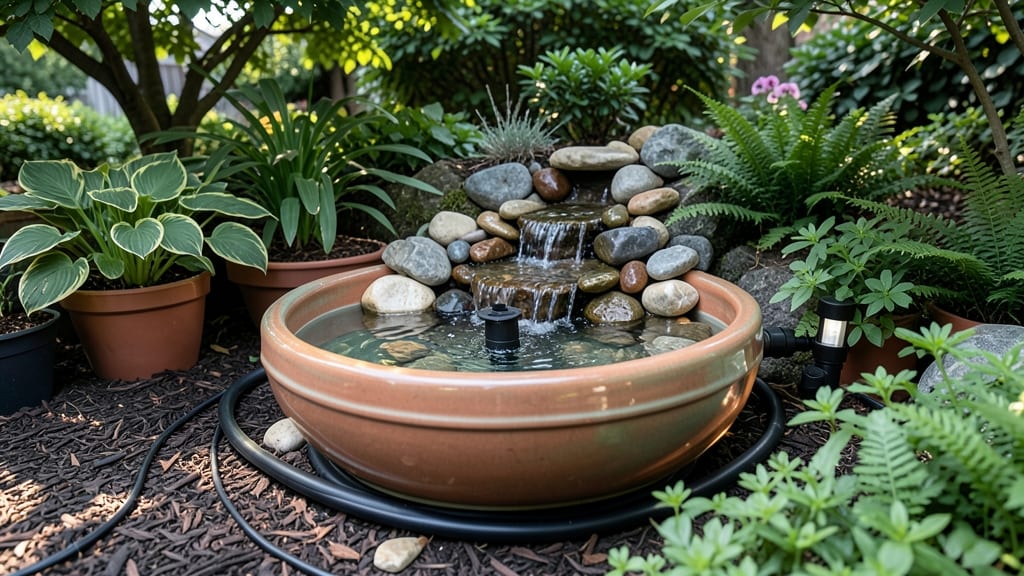
Building a DIY garden fountain transforms your yard into a serene oasis without breaking the bank, using affordable materials like PVC pipes, a submersible pump, and decorative rocks to create a soothing water feature.
A DIY garden fountain isn't just about aesthetics—it's a practical way to add movement and tranquility to your outdoor space. 💫 The beauty of this project lies in its flexibility; you can scale it to fit any budget or yard size, whether you're using repurposed containers or brand-new supplies.
I've found that starting with a simple design helps beginners avoid common pitfalls like pump placement or waterproofing issues, while still delivering that satisfying "water feature" effect. Plus, the sound of flowing water instantly creates a calming atmosphere for relaxation or entertaining.
For best results, focus on three key elements: a sturdy base, proper pump selection, and creative layering with rocks or plants. A submersible pump (around $30-$50) handles most small-scale projects, while PVC pipes ($10-$20) serve as both structure and water conduit.
The real magic happens when you customize the upper layers—smooth river rocks, driftwood, or even broken pottery can turn a basic setup into a stunning focal point. Remember, the goal is to blend functionality with your garden's natural beauty, not just create another decorative object.
💡 In This Article
- Essential Materials and Tools for a Budget-Friendly Garden Fountain
- Step-by-Step Assembly Guide for a Sturdy, Waterproof Fountain Base
Essential materials and tools for a budget-friendly garden fountain
The foundation of any successful DIY garden fountain starts with selecting the right components. A submersible pump (typically $30-$50) is the heart of your fountain—it circulates water and creates that soothing sound.
Look for models with a flow rate of 1,000-2,000 gallons per hour (GPH), which works perfectly for small to medium-sized fountains. These pumps are designed to run continuously, so energy efficiency matters—opt for one with a low wattage (around 40-60 watts) to keep electricity costs minimal. 💫
For the structure, PVC pipes (4-6 inches in diameter) are an ideal choice because they're lightweight, affordable ($10-$20 for a 10-foot section), and easy to cut or modify. You'll also need flexible tubing (½-inch diameter) to connect the pump to your pipes—this allows for easy adjustments in placement.
Don't overlook the importance of a waterproof liner, which can be as simple as a heavy-duty plastic pond liner ($15-$30) or even a repurposed trash bag for smaller projects. The liner prevents water from seeping into the soil and keeps your fountain stable.
Decorative elements transform a functional fountain into a stunning garden feature. Smooth river rocks ($5-$15 per bag) or pebbles create natural-looking layers, while larger stones or broken pottery add texture and visual interest. For a rustic touch, driftwood or bamboo stakes can frame the fountain's edges.
The key is to balance aesthetics with practicality—heavier materials at the base provide stability, while lighter decorations on top add movement when water flows. Pro tip: Collect free materials like flat stones or branches from your yard to cut costs further.
Basic tools make the assembly process smoother. A hacksaw or PVC cutter ensures clean cuts, while a measuring tape and level help maintain symmetry. For sealing joints, use waterproof silicone sealant ($5-$10) to prevent leaks.
If you're working with a pre-existing container (like a large pot or bucket), ensure it has drainage holes—drill them yourself if needed. The goal is to create a system where water flows freely without spilling, so precision in measurements and connections is critical. 🌟
One often-overlooked material is gravel or sand, which serves as a drainage layer beneath the liner. A 2-inch layer of gravel at the bottom of your basin prevents root intrusion and allows excess water to drain away.
For larger fountains, consider adding a perforated pipe at the base to distribute water evenly. This step is especially important in clay-heavy soil, where water retention can cause instability. The right combination of materials ensures your fountain not only looks beautiful but also functions reliably for years.
Where to source supplies affordably? Check local hardware stores for discounts on clearance PVC pipes or ask about their scrap bins for free or low-cost materials. Online marketplaces like Facebook Marketplace or Craigslist often have secondhand pumps or decorative stones at a fraction of retail price.
Thrift stores sometimes carry large planters or containers that can be repurposed with minimal effort. The beauty of DIY is that creativity often leads to the best solutions—don't hesitate to think outside the box with materials you already have at home.