
Aphids
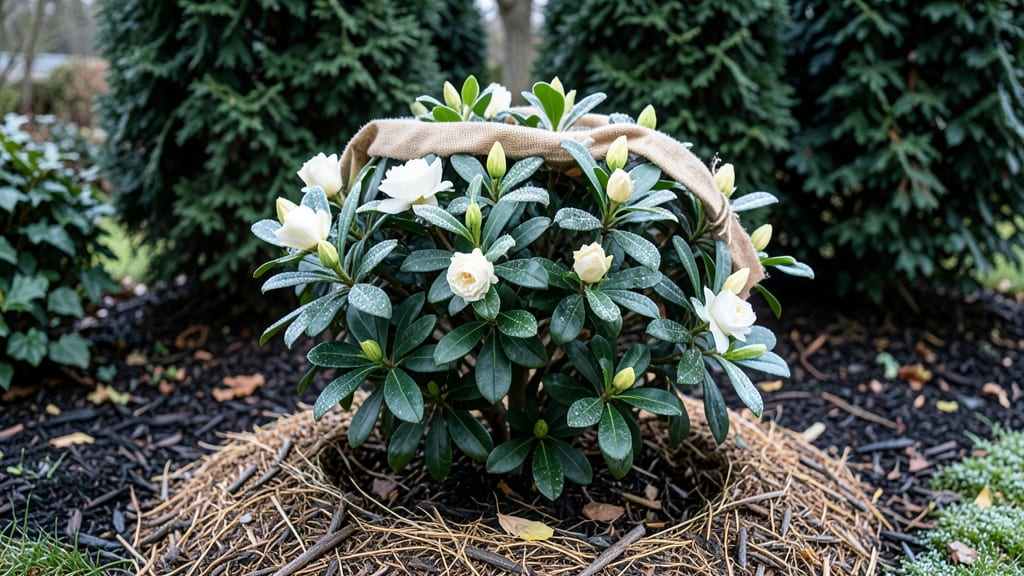
Gardenia plants are not winter hardy in most climates, typically surviving only in USDA Zones 10-12 where temperatures stay above 30°F (-1°C). With protection, some varieties may endure brief dips to 25°F (-4°C), but frost will kill most gardenias without shelter or indoor overwintering.
Gardenia plants are tropical by nature, which means their roots and leaves can't handle freezing temperatures. 🌱 Even a light frost can cause irreversible damage to the delicate foliage and buds, leading to poor blooming or plant death.
The key to keeping them alive in colder zones is creating a controlled environment that mimics their native warmth, whether through mulching, moving containers indoors, or using protective coverings during cold snaps.
For gardeners in colder climates, the secret lies in preparation. Start by moving potted gardenias to a sheltered spot before the first frost hits, and consider wrapping the pots in insulating materials like bubble wrap or burlap.
If you're dealing with in-ground plants, layering thick mulch around the base can provide some protection, though it's still not enough for extended cold periods. The goal is to keep the roots from freezing, as cold damage there can be just as devastating as frost on the leaves.
💡 In This Article
- Understanding Gardenia Cold Tolerance Limits
- Protecting Gardenias in Cold Climates: Step-by-Step
Understanding gardenia cold tolerance limits
Gardenia plants originate from tropical regions like Southeast Asia, where temperatures rarely drop below 60°F (15°C). Their leaves and stems contain high moisture content, making them highly susceptible to cold damage.
When exposed to temperatures below 30°F (-1°C), the cell walls in gardenia leaves begin to rupture, causing brown, crispy patches that spread rapidly. The roots, which are particularly vulnerable, can freeze solid if soil temperatures drop below 40°F (4°C) for extended periods.
The most cold-tolerant gardenia variety, Gardenia jasminoides, can handle brief dips to 25°F (-4°C) with proper protection, but its larger cousin, Gardenia augusta, struggles even at 32°F (0°C). 🌿 What makes this even more challenging is how temperature affects different growth stages: buds and flowers are the first to suffer when cold snaps hit, often blackening within hours.
Foliage may appear unaffected until the damage becomes irreversible, making early intervention critical.
Here's what happens during a cold snap: when temperatures fall below 45°F (7°C), gardenias enter a state of metabolic slowdown, conserving energy but also reducing their ability to recover.
Prolonged exposure to 32°F (0°C) or lower triggers ice crystal formation in the plant's vascular system, blocking nutrient flow and leading to wilting or death. The roots, being underground, are at even greater risk because soil retains cold longer than air.
Comparing gardenias to other tropical plants like hibiscus or bougainvillea reveals their extreme sensitivity. While hibiscus can tolerate brief freezes down to 28°F (-2°C), gardenias show visible damage at just 30°F (-1°C).
This is why gardeners in colder zones must treat them like delicate houseplants during winter, even when grown outdoors in summer.
What most people don't realize is how quickly damage occurs. A single night at 28°F (-2°C) can kill a gardenia's buds, while prolonged exposure to 35°F (2°C) weakens the plant's immune system, making it susceptible to fungal infections.
The key is maintaining temperatures above 40°F (4°C) at all times, which requires careful planning and protective measures.