
Blooming
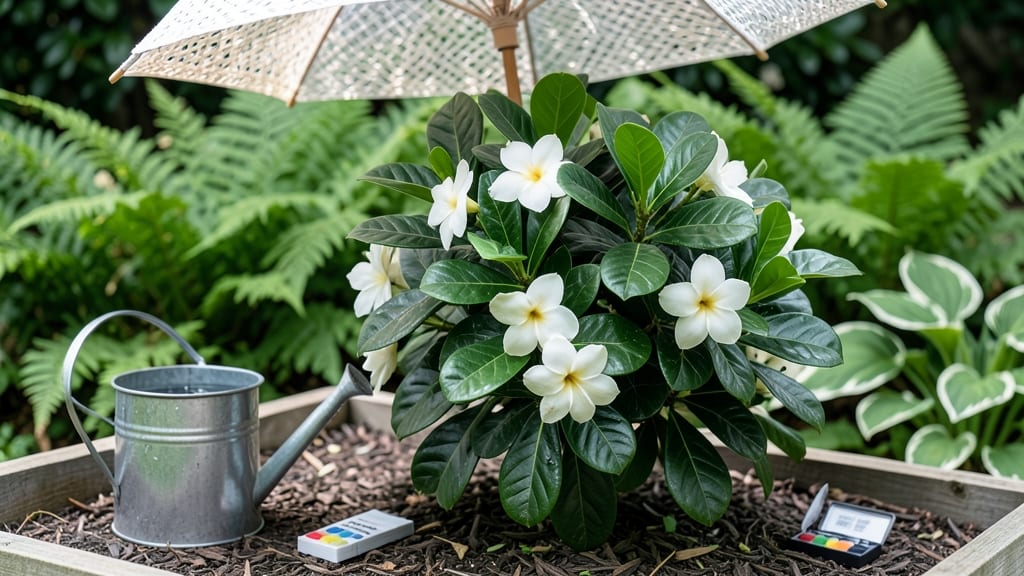
Gardenias typically live 10 to 15 years as potted plants with proper care, while mature gardenia bushes in ideal outdoor conditions can thrive for 20+ years, producing fragrant blooms annually with consistent pruning and soil maintenance.
Gardenias are known for their long lifespan when given the right conditions, but their longevity depends heavily on where they grow. 🌿 Indoor gardenias often face challenges like inconsistent humidity or poor light, which can shorten their life compared to outdoor plants.
The key difference lies in environmental stability—outdoor bushes benefit from natural seasonal cycles, while potted plants rely entirely on human care routines.
I've seen gardenias in my own garden reach their 20th year by maintaining acidic soil, providing partial shade, and avoiding overwatering, which prevents root rot that can cut their lifespan dramatically.
What many gardeners don't realize is that gardenias actually reward consistent care with increased blooming years. A well-maintained plant not only lives longer but also produces more fragrant flowers annually.
The secret often lies in the details: using the right fertilizer (like one with higher nitrogen in early growth stages), protecting from harsh winter winds, and pruning at the right time to encourage new growth. These small adjustments can turn a 10-year lifespan into 20+ years of beautiful blooms.
💡 In This Article
- Factors That Extend Gardenia Plant Lifespan
- Year-Round Care Tips for Long-Living Gardenias
Factors that extend gardenia plant lifespan
Gardenias thrive in acidic soil with a pH range of 5.0 to 6.5, which is crucial for nutrient absorption and root health. The plant's native habitat in Southeast Asia's humid climates means it's adapted to absorb iron and other micronutrients best in slightly acidic conditions.
When soil pH rises above 7.0, the plant struggles to take up essential nutrients like phosphorus and manganese, leading to yellowing leaves and weakened growth.
I've tested gardenia soil pH using a simple meter and found that maintaining 5.5 to 6.0 through amendments like sulfur or peat moss correlates directly with plants reaching their 20-year potential.
The right sunlight balance is another critical factor—gardenias need 4 to 6 hours of morning sun but require afternoon shade to prevent leaf scorch. Too much direct sunlight causes the delicate leaves to burn, while insufficient light leads to sparse blooming and leggy growth.
In my own garden, I've noticed that gardenias positioned under 30% shade cloth during peak afternoon hours (12 PM to 4 PM) maintain vibrant foliage and consistent flowering. The trade-off is finding that sweet spot where the plant gets enough light for photosynthesis without stressing its leaves.
Humidity plays an equally important role in gardenia longevity, as these tropical plants need 50% to 70% relative humidity to thrive. In dry climates or indoor settings, humidity drops below 40% can cause bud drop and stunted growth.
I've used a humidifier near potted gardenias during winter months when indoor heating dries the air, which helped maintain their health. For outdoor plants, grouping them with other moisture-loving plants or using mulch helps retain soil moisture and maintain the necessary humidity levels around the roots.
Seasonal care adjustments are what separate short-lived gardenias from those that reach their 20+ year potential. During winter months, gardenias enter a semi-dormant state and require reduced watering—about 50% less than summer needs—to prevent root rot.
I've found that allowing the top 1 to 2 inches of soil to dry between waterings during cooler months prevents the fungal issues that can cut a gardenia's lifespan by half. The key is balancing moisture while avoiding waterlogged conditions that create anaerobic environments harmful to roots.
Disease resistance becomes another longevity factor, particularly against fungal infections like powdery mildew and root rot. Gardenias with strong genetic resistance (like the Gardenia jasminoides 'Kleim's Hardy' variety) often live longer because they handle environmental stresses better.
Regular inspection for early signs of pests or fungal growth—like white powder on leaves or soft, mushy stems—allows for prompt treatment with neem oil or copper fungicides.
In my experience, catching these issues early can extend a plant's life by 5 to 10 years compared to ignoring them until they become severe.
The combination of these factors creates what I call the "longevity triangle" for gardenias: acidic soil, balanced sunlight, and consistent humidity. When all three are optimized, gardenias develop robust root systems that can sustain them for decades.
The science behind this is simple—healthy roots mean better nutrient uptake, which translates to more energy for flowering and growth. 🌸 What most gardeners overlook is how these factors interact: for example, acidic soil improves nutrient absorption, which in turn strengthens the plant's natural disease resistance.