
Tools
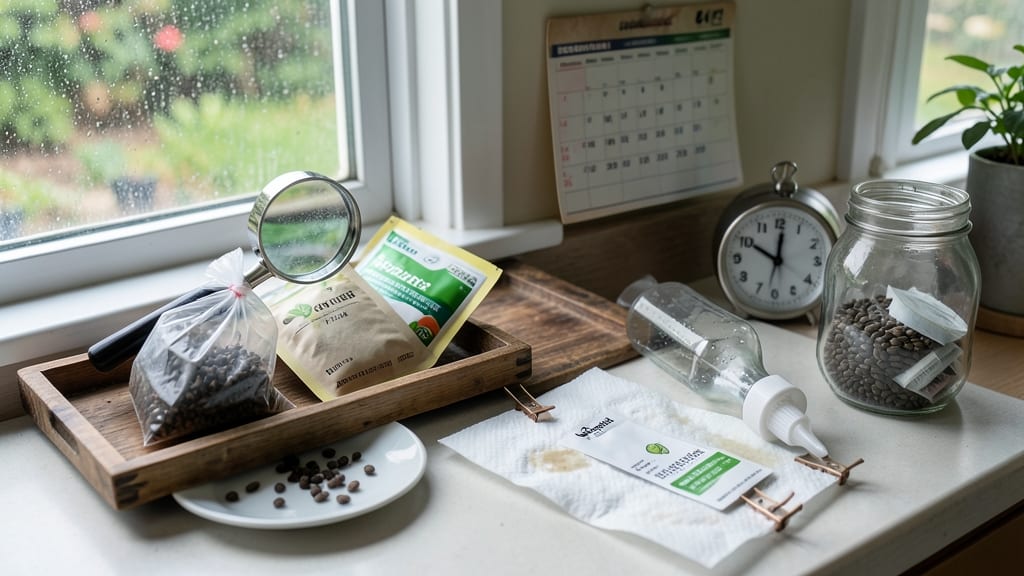
Garden seeds do expire, with their germination rates declining over time based on storage conditions and the specific plant species. Most seeds remain viable for 1-5 years, though delicate varieties like onions or leeks may only last 1-2 years, while hardy seeds like peas or beans can stay good for 5+ years when kept in cool, dry environments.
Seed expiration isn't just about the printed packaging date—it's about how well you've preserved them. 🌱 The key factors are moisture (which accelerates decay) and temperature (warmer conditions speed up enzyme breakdown).
For instance, lettuce seeds typically lose viability in just 1 year, while corn seeds often stay good for 3+ years. I've learned that proper storage—like using airtight containers with silica gel packets—can extend a seed's life by years, even for sensitive varieties.
Even "expired" seeds might still sprout if stored correctly. A simple paper towel germination test can reveal their true condition before you commit to planting. This method gives you a clear picture of what percentage of seeds will actually grow, saving you time and frustration in the garden.
💡 In This Article
- How Seed Longevity Varies by Plant Type
- Testing Seed Viability Before Planting
How seed longevity varies by plant type
Seed viability isn't one-size-fits-all—it's determined by each plant's biological makeup. 🌱 The biggest factor is moisture sensitivity: seeds with high oil content (like sunflower or pumpkin) degrade faster because their fats oxidize over time, while dry seeds (like beans or peas) last longer.
For example, sunflower seeds typically stay viable for just 2-3 years, while bean seeds often remain good for 5+ years when stored properly.
Temperature also plays a critical role through enzyme activity. Warmer storage accelerates metabolic processes that break down cell membranes, while cooler environments slow decay.
Lettuce seeds, for instance, contain delicate enzymes that make them lose viability in just 1 year, whereas corn seeds have tougher structures that keep them viable for 3-4 years.
Even within families, variations exist—carrot seeds last about 3 years, but their wild relatives can persist for decades in ideal conditions.
Another key factor is seed coat thickness. Thicker coats (like those on tomato or pepper seeds) provide natural protection against moisture and physical damage, extending shelf life to 4-5 years.
Thin-coated seeds, such as those from onions or leeks, dry out quickly and often lose viability within 1-2 years unless stored in controlled environments with 30-40% humidity and temperatures below 40°F.
Even within the same species, harvest maturity affects longevity. Seeds harvested at peak ripeness (when moisture content is ideal) last significantly longer than those harvested early or late.
For instance, fully matured tomato seeds stored in airtight containers can maintain 80% germination after 4 years, while underripe seeds may drop below 50% viability in just 2 years.
This explains why seed packets often include "best by" dates—those are based on average conditions, not your specific storage setup.
Oxygen exposure is another silent killer. Seeds stored in sealed, airtight containers (like Mylar bags with silica gel) can last 2-3 times longer than those in paper packets. The presence of oxygen triggers oxidative reactions that degrade cell structures, particularly in high-oil seeds.
For example, stored in ideal conditions, chia seeds (which contain 30% oil) might last 4 years, but in open packets, they could fail within 1-2 years.
Consider these key plant categories when planning your seed storage:
- Short-lived seeds (<1-2 years): Onions, leeks, lettuce, parsley (high moisture sensitivity)
- Moderate longevity (3-4 years): Tomatoes, peppers, carrots, beets (thicker coats but still vulnerable)
- Long-lived seeds (5+ years): Beans, peas, corn, sunflower (hardy structures, lower oil content)