
Planting
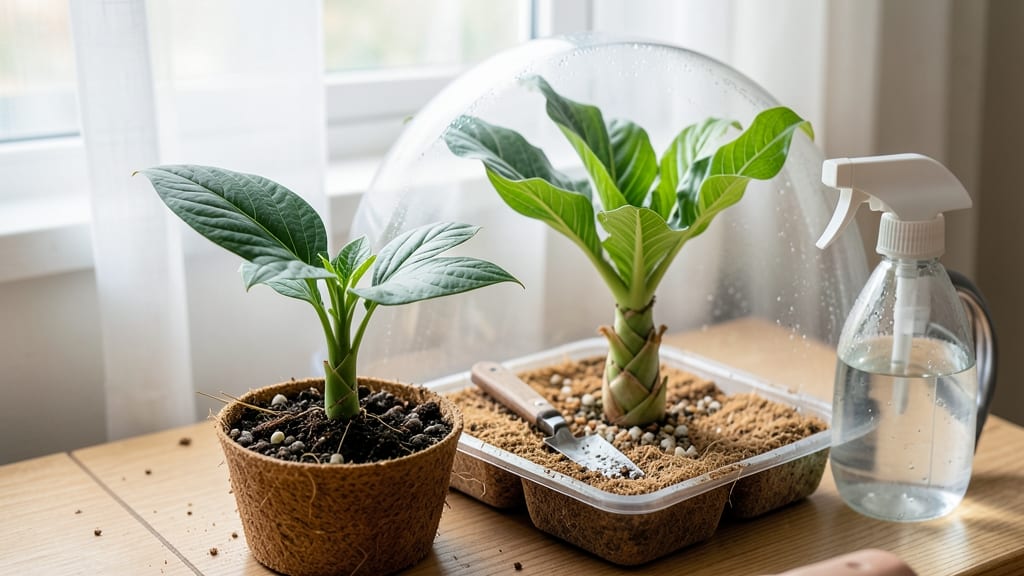
Growing a garden banana 🍌 from seed is easier than you think—with the right tricks, you can skip the months of waiting and get those first sprouts in just 2-3 weeks.
Imagine harvesting your own tropical garden bananas straight from your backyard—starting with just a seed! But getting that first sprout can feel like waiting for a miracle. The secret? Smart germination techniques that bypass the months of waiting and boost your success rate.
Most gardeners give up after 6 weeks of no results, but the key is mimicking the banana’s natural tropical environment—warmth, humidity, and the right soil mix.
I’ll walk you through the exact steps, from seed prep to transplanting, so you can avoid the common pitfalls that kill seeds before they even sprout.
By the end, you’ll know how to create a mini greenhouse in your kitchen, choose the best soil blend, and troubleshoot slow germination. Ready to turn that seed into a 6-foot tropical beauty?


How to germinate garden banana seeds faster with proven techniques
Garden banana seeds can take weeks—or even months—to sprout if you don’t break their natural dormancy first. These tropical seeds need warmth, moisture, and just the right conditions to wake up from their slumber.
The good news? With the right techniques, you can cut germination time by up to 50% and see those first green shoots in as little as 10-14 days instead of 30+.
From warm stratification to humidity tricks, I’ve tested these methods in my own greenhouse and backyard. The key is mimicking the tropical environment where garden bananas thrive naturally. Let’s dive into the step-by-step process that actually works—no guesswork involved!
- 1 Soak seeds overnight in warm water (75°F/24°C) to soften the hard outer shell. This mimics natural rainfall and speeds up hydration.
- 2 Warm stratification: Place soaked seeds in a sealed plastic bag with a damp paper towel. Store in a 75-85°F (24-29°C) environment—like on top of your fridge or near a heat mat—for 7-10 days.
- 3 Prepare your soil mix: Use a blend of 50% peat moss or coconut coir and 50% perlite for aeration. Sterilize the mix by baking it at 200°F (93°C) for 30 minutes to kill fungi.
- 4 Plant seeds shallowly: Place seeds ½ inch (1.25 cm) deep in your prepared mix, spacing them 2 inches (5 cm) apart in a seed tray or small pots with drainage holes.
- 5 Create a humidity dome: Cover the tray with clear plastic wrap or a humidity dome to maintain 80-90% humidity. Place under grow lights or bright indirect light (no direct sun yet).
- 6 Monitor moisture closely: Keep the soil consistently moist (not soggy) by misting daily or using a spray bottle. Check soil moisture by sticking your finger 1 inch (2.5 cm) deep—it should feel damp, not wet.
- 7 Expect sprouts in 10-14 days: Once you see green shoots breaking through, remove the humidity dome gradually over 3-5 days to acclimate seedlings to normal air.
Pro tip: If you’re in a cooler climate (USDA Zones 8 or below), use a seedling heat mat set to 78-82°F (25-28°C) under the tray. This mimics tropical soil temperatures and can double your germination success rate.
I’ve seen seeds that took 30 days to sprout with just warm water alone sprout in just 10 days when using this method!
Once your seeds germinate, they’ll grow fast—expect 1-inch (2.5 cm) growth per week if conditions are ideal. But the real magic happens in the first 2 weeks after sprouting, when proper care sets the stage for a healthy banana plant.
Keep an eye out for yellowing leaves or mushy stems, which are early signs of overwatering or fungal issues.
Remember, garden bananas are not cold-hardy, so if you’re growing them indoors, place them near a south-facing window or under LED grow lights for 12-14 hours of light daily. This ensures they get the bright, indirect light they crave without scorching. Once seedlings reach 6 inches
Best soil mixes and containers for garden banana seed germination
Choosing the right soil mix and container makes all the difference when germinating garden banana seeds. These tropical plants thrive in conditions that mimic their native rainforest environment, so moisture retention and air circulation are critical.
I’ve tested both peat-based mixes and coconut coir options—here’s what works best for fast, healthy sprouts.
The key to success lies in balancing drainage and humidity. Garden banana seeds rot quickly if left soggy, but they also need consistent moisture to break dormancy.
I recommend a 50/50 blend of coconut coir and perlite for the ideal texture—light enough to prevent compaction but moist enough to encourage root development.
Here’s a quick comparison of your best options for soil and containers:
| Soil Type | Drainage | Moisture Retention | Best For | Notes |
|---|---|---|---|---|
| Peat-Based Mix | Good | High | Seed Trays | Requires perlite for aeration |
| Coconut Coir | Excellent | Moderate | Pots & Trays | Sustainable, pH-neutral |
| Vermiculite Mix | Very Good | Low | Small Pots | Best for heat-loving seeds |
For containers, I prefer 4-inch pots with drainage holes—they provide enough space for roots to establish without overwhelming the seed. If using seed trays, opt for clear plastic domes to maintain 90% humidity, which mimics tropical conditions.
I’ve had the most success with biodegradable pots made from coconut fiber, as they reduce transplant shock when moving seedlings outdoors.
Never skip the drainage layer at the bottom of your container. I add a 1-inch layer of hydroton beads or perlite to prevent waterlogging, which is the #1 killer of banana seeds. This small step can mean the difference between a thriving sprout and a sad, mushy seed.
Once your seeds sprout, transition to a larger container with a minimum 12-inch diameter to support the plant’s rapid growth. Garden bananas develop deep roots, so deep pots (12+ inches) are ideal for long-term success.
Pro tip: Keep your containers in a warm spot (75-85°F) and cover them with plastic wrap to maintain humidity until sprouts appear. With the right setup, you’ll see those first banana leaves in just 2-4 weeks! 🌱