
Pests
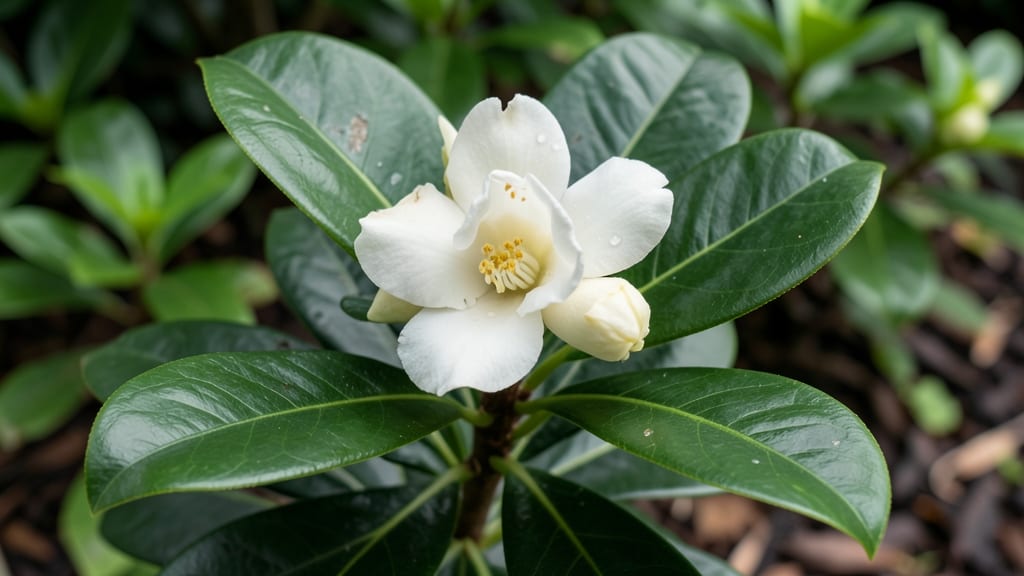
Deer do eat gardenia plants, particularly the leaves and tender new growth, though they rarely consume the flowers or fruit. These plants are moderately attractive to deer due to their soft foliage and aromatic scent, making them vulnerable in untreated gardens.
Gardenias rank as a deer favorite because their tender leaves and fresh shoots offer an easy, nutrient-rich meal. 🌿 Deer typically avoid the tougher flowers and fruit, but when hungry, they’ll strip entire branches bare—especially in spring and summer when new growth is most plentiful.
The plant’s sweet fragrance, which humans adore, actually signals to deer that it’s a good food source. If you’ve noticed chewed leaves or missing foliage, you’re likely dealing with deer activity rather than other pests.
To protect your gardenias, focus on physical barriers like 8-foot fencing or deer-resistant plant companions like boxwoods and lavender.
Pruning to remove tender new growth can also deter deer, but the most effective strategy is combining repellents with seasonal monitoring—deer behavior shifts with food availability, so what works in summer may need adjustment in winter.
💡 In This Article
- Why Deer Target Gardenia Leaves and Young Shoots
- Effective Deer-Resistant Gardenia Protection Methods
Why deer target gardenia leaves and young shoots
Deer are drawn to gardenias primarily because their tender leaves and fresh shoots provide an easily digestible, nutrient-rich meal. The plant’s soft foliage has a high moisture content and moderate protein levels—ideal for deer, especially during spring and summer when their diet needs to support rapid growth.
Unlike mature leaves, which contain more tannins and become tougher, the new growth is virtually defenseless against hungry deer. 🌱
The gardenia’s aromatic scent, which humans find intoxicating, actually acts as a feeding signal for deer. While the fragrance comes from volatile organic compounds like linalool and geraniol, these same compounds can indicate to deer that the plant contains easily accessible sugars and proteins.
Studies show deer rely heavily on scent cues to identify food sources, and gardenias emit strong aromatic signals that stand out in a garden setting. Additionally, the glossy, dark green leaves contrast sharply against deer’s natural camouflage, making them more noticeable.
Seasonal patterns play a critical role in deer feeding behavior. During spring and summer, when gardenias produce their most tender new growth, deer are far more likely to target them. In winter, when food sources dwindle, deer may resort to gardenias even if they’re not their first choice.
However, deer typically avoid the flowers and fruit because they contain higher levels of bitter compounds and are structurally tougher to consume. The flowers’ waxy coating and the fruit’s hard shell make them less appealing compared to the soft leaves.
What makes gardenias particularly vulnerable is their slow regrowth rate after damage. Unlike fast-growing plants like clover, gardenias take time to recover from deer browsing. A single deer can strip an entire branch in minutes, leaving the plant stressed and susceptible to disease.
This is why gardeners often notice chewed edges on leaves or missing foliage on lower branches—telltale signs of deer activity rather than other pests like caterpillars or beetles.
To understand the full picture, consider deer’s natural foraging habits. They prefer plants that offer high nutritional value with minimal effort, and gardenias fit this profile perfectly. The plant’s vertical growth habit also makes it easier for deer to access leaves without bending down, a behavior that conserves energy.
Unlike ground-level plants, gardenias are within a deer’s natural browsing height of 3-5 feet, making them an easy target during nighttime feedings.
One surprising detail is how deer’s sense of taste plays a role. While they avoid bitter or toxic plants, gardenias fall into a "safe but delicious" category. The leaves contain enough nutrients to be worthwhile but lack the defensive compounds that would deter deer.
This balance makes gardenias a moderately attractive food source—enough to draw deer in, but not so appealing that they’d risk toxic side effects like with oleander or foxglove.