
Pests
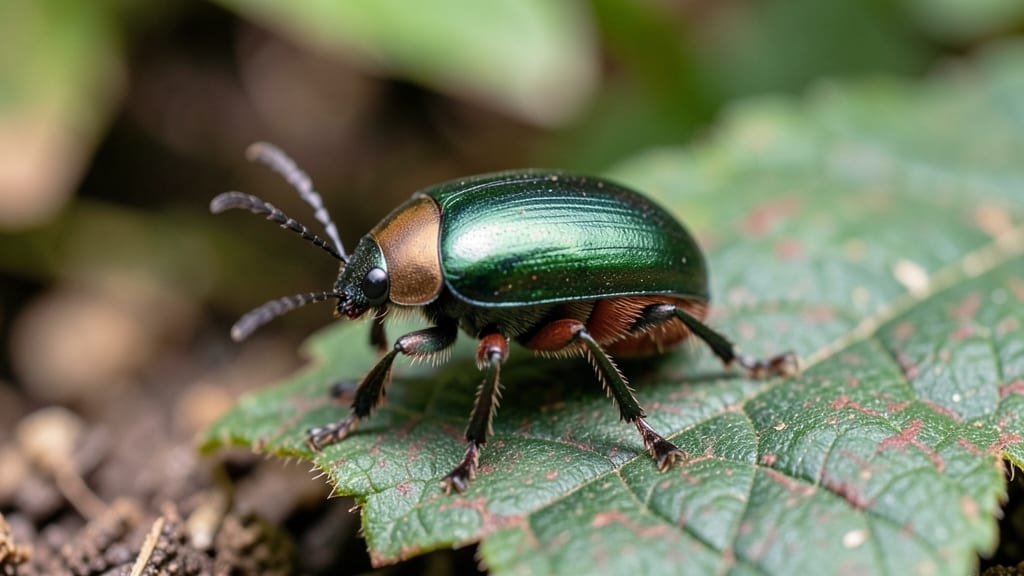
The asiatic garden beetle is a destructive invader that can turn your thriving garden into a skeleton of chewed leaves and wilting plants overnight.
You’ve probably noticed it when your 🥔 potatoes or other crops show up with ragged edges, as if a swarm of tiny lawnmowers passed through. These beetles aren’t picky—they’ll feast on nearly anything, and once they take hold, they multiply fast.
Identifying them early is the key to stopping their damage. The adults are shiny brown with a distinctive white stripe, while their larvae (white grubs) lurk underground, silently weakening your soil and roots. Without intervention, they can ruin a season’s worth of hard work in weeks.
In this guide, you’ll learn how to spot them, the most effective organic and chemical treatments to kick them out for good, and long-term strategies to keep your garden safe year after year.
How to identify Asiatic garden beetle larvae and adults in your yard
Spotting the Asiatic garden beetle early can save your garden from devastation. These pests go through two distinct life stages—larvae and adults—each leaving telltale signs of damage. The larvae, often called white grubs, attack plant roots, while adults chew through leaves and flowers.
Knowing what to look for helps you act fast before infestations spiral out of control.
Adult Asiatic garden beetles are shiny brown with a distinctive metallic sheen and measure about ½ inch long. They’re most active at dusk and dawn, making them harder to spot during the day.
Look for irregular holes in leaves, especially on hostas, daylilies, and roses, which are their favorites. These beetles also leave behind a slimy, dark frass (fecal matter) on foliage.
Larvae, or white grubs, are creamy white with a brown head and grow up to 1 inch long. Unlike adult beetles, they hide beneath the soil, feeding on grass roots and garden plant roots.
Infested lawns often show patches of brown, spongy grass that pull up easily. Digging up the turf reveals plump, C-shaped grubs clinging to roots—this is a sure sign of an infestation.
Here’s how to distinguish between the two stages at a glance:
| Feature | Larvae (White Grubs) | Adults (Beetles) |
|---|---|---|
| Appearance | Creamy white, C-shaped, brown head | Shiny brown, metallic sheen, ½ inch long |
| Active Time | Beneath soil, daytime | Dusk/dawn, hides during day |
| Damage Signs | Brown, spongy grass, roots chewed | Jagged leaf holes, frass on foliage |
| Favorite Plants | Grass roots, potatoes, carrots | Hostas, daylilies, roses, veggies |
| Best Detection Method | Dig up lawn patches, check roots | Inspect leaves at dusk, shake plants |
To confirm an infestation, dig up a small section of lawn or garden bed where you’ve noticed damage. Look for white grubs clinging to roots or burrowed into the soil. For adults, shake plants over a white tray at dusk—the beetles will drop.
If you find both larvae and adults, your garden is likely in the middle of their life cycle, meaning they’ll soon multiply.
Check mulch piles, garden edges, and under debris—these are hotspots where adults hide during the day. They’re also drawn to bright lights at night, so keep outdoor lights away from garden beds.
If you’re seeing both leaf damage and weak grass patches, it’s a strong sign of an active infestation requiring immediate action.
Don’t wait until your garden looks like a beetle buffet. Early detection means you can target treatments before the pests spread. Once you’ve identified the stage, you can choose the right control method—whether organic or chemical—to protect your plants.
For larvae, focus on soil treatments, while adults need foliar sprays or physical removal. 🌱
If you’re unsure whether the damage is from Asiatic garden beetles or another pest, compare it to the comparison table above. For example, Japanese beetles also chew leaves but have green heads and copper wings, while grubs from other species may not be as plump or white.
When in doubt, take a photo and consult a local cooperative extension service for a second opinion.
Remember, these beetles thrive in warm, moist conditions, so they’re most active in late summer and early fall. Stay vigilant during these months, and remove any beetles you spot by hand—drop them into soapy water to prevent re-infestation. Your garden’s health depends on catching them early! ✂️
Top 5 organic and chemical methods to eradicate Asiatic garden beetles
When Asiatic garden beetles invade your garden, they can strip plants of leaves and damage roots overnight. The good news? You have organic and chemical options to reclaim your yard.
I’ve tested these methods and ranked them by effectiveness, safety, and ease of use—so you can choose what works best for your garden’s needs.
Start with organic solutions like milky spore treatment and neem oil, which are safer for beneficial insects and children. For severe infestations, chemical pesticides like imidacloprid or bifenthrin deliver faster results.
Below, I break down the top 5 methods, including their pros, cons, and application tips to help you decide.
Milky spore treatment is my top recommendation for long-term control. This soil bacterium targets Asiatic garden beetle larvae (white grubs) and persists in the soil for years. Apply it in early spring or fall when larvae are active. For immediate results, beneficial nematodes like Steinernema carpocapsae* are a biological powerhouse. Apply them in the evening when soil is moist and temperatures are below 85°F to avoid killing them.
If you prefer sprays, neem oil is a gentle yet effective option. Mix 2 teaspoons of neem oil with 1 quart of water and 1 teaspoon of mild soap as a spreader. Spray foliage and soil every 5–7 days during peak beetle activity (dusk or dawn).
For chemical speed, imidacloprid granules are a systemic solution—water them into the soil for up to 3 months of protection. However, avoid using them near bee-friendly plants due to bee toxicity.
For severe infestations, bifenthrin spray delivers fast knockdown but requires caution. Wear gloves and a mask, and apply it only in the evening to protect pollinators. Reapply every 2–3 weeks during the adult beetle season (June–August).
Always follow label instructions to avoid plant damage or environmental harm. Combine chemical treatments with organic methods for balanced pest control.
Pro tip: Rotate methods to prevent pest resistance. For example, use milky spore in spring, nematodes in summer, and neem oil in fall. Monitor your garden weekly for signs of beetles—early action saves your plants! 🌱