
Picking
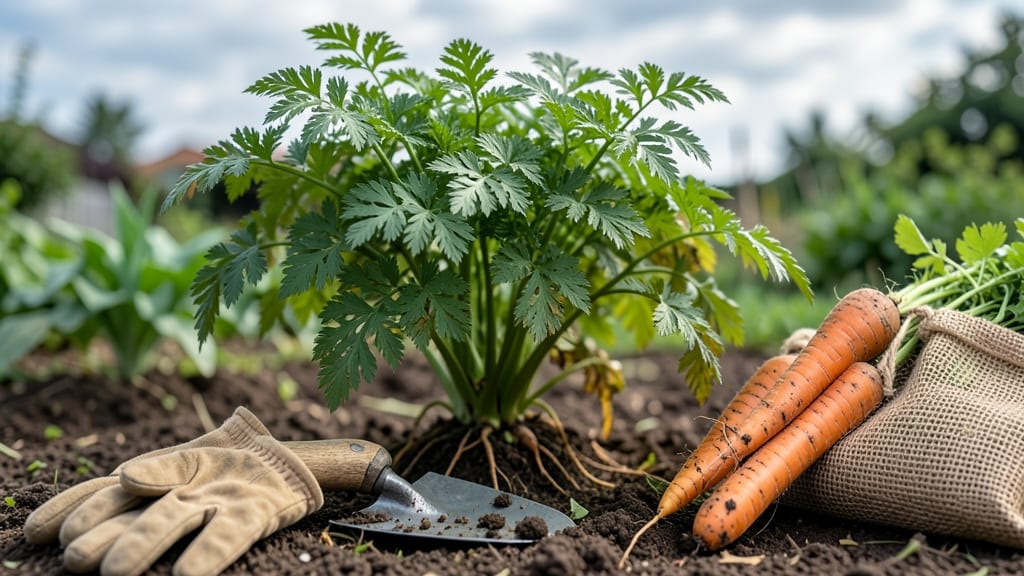
Harvesting carrots from your garden at the right time means the difference between a sweet, crisp reward and a tough, woody disappointment 🥕.
Patience is key—pull them too early, and they’ll taste bland; too late, and they’ll become tough and bitter. The exact moment to harvest depends on size, soil conditions, and even the time of day, which most gardeners overlook.
You’ll want to check for roots that are 1-3 inches in diameter, vibrant color, and healthy foliage that’s 4-6 inches tall. But there’s more to it than just size—seasonal factors like frost sensitivity and soil moisture play a role too.
In this guide, I’ll walk you through the visual cues, seasonal timing, and soil checks to ensure you harvest your carrots at peak sweetness—without a single one going to waste.
How to check carrot size and soil depth for perfect harvest timing
Harvesting carrots at the right time ensures you enjoy their sweetest, crispest flavor. The ideal carrot size for most varieties is between 4-6 inches tall with roots reaching 1-3 inches in diameter.
But size alone isn’t enough—you’ll also need to check the soil depth and leaf health to confirm readiness. Skipping these checks can lead to underdeveloped roots or tough, woody textures.
Start by examining the carrot tops. Healthy foliage should be 4-6 inches tall with vibrant green leaves. If the tops are shorter than 3 inches or showing signs of yellowing, the roots likely need more time.
The leaves act as a natural indicator of root development, so pay close attention to their growth pattern. Uneven leaf growth can signal uneven soil conditions or competition for nutrients.
Next, assess the root size and soil depth. Gently brush away the soil around the base of the plant to expose the root. The ideal harvest size is typically 1-3 inches in diameter, but some varieties like Paris Market or Danvers can be harvested smaller for baby carrots.
If the soil is too shallow (less than 6-8 inches deep), roots may fork or grow unevenly due to obstacles like rocks or hardpan.
Here’s a quick soil depth check: Use a trowel to dig down 6-8 inches near your carrot plants. If you encounter hard soil layers or rocks, your carrots may fork or split.
Loose, well-draining soil is key for straight, smooth roots. If the soil is compacted, consider amending it with compost or sand before planting next season.
| Harvest Cue | Description | Action |
|---|---|---|
| Leaf Height | Tops reach 4-6 inches | Check root size |
| Root Diameter | 1-3 inches (or preferred size) | Harvest immediately |
| Soil Depth | At least 6-8 inches deep | Loosen soil if compacted |
| Leaf Color | Vibrant green, no yellowing | Proceed with harvest |
| Root Shape | Straight, smooth, no forking | Harvest or thin plants |
Forking is a common issue when carrots grow in rocky or uneven soil. If you notice roots splitting or bending, it’s a sign the soil needs improvement. To prevent forking, remove rocks and clumps from the planting area before sowing seeds.
Adding organic matter like compost can also create a looser soil structure for straighter roots. If forking occurs, harvest the usable portions and consider growing shorter varieties like Little Finger next time.
For baby carrots, harvest when roots reach 1/2 to 1 inch in diameter. These can be pulled earlier for a tender, sweet flavor. Use a garden fork or hands to gently lift them from the soil, being careful not to damage nearby plants.
Baby carrots are perfect for salads or quick cooking, while larger carrots hold up better for storage or roasting.
Timing your harvest also depends on the carrot variety. Some, like Nantes or Chantenay, are best harvested smaller, while Danvers or Imperator types can grow larger.
Always check the seed packet recommendations for specific guidance. If you’re unsure, a simple taste test can confirm readiness—peel a small section and check for sweetness and crispness.
Finally, avoid harvesting in extreme heat or cold, as this can stress the plant. Early morning is the best time of day to harvest, as the soil is cooler and the carrots are at their crispest.
After pulling, trim the tops to about 1 inch to preserve moisture and store in a cool, dark place for up to 3 weeks. Proper timing and handling ensure your carrots stay fresh and delicious.
With these checks in place, you’ll never miss the perfect harvest window again. Happy digging! 🥕
Signs of overripe or underripe carrots: flavor and texture clues
Carrots at their peak ripeness deliver a perfect balance of sweetness and crisp texture, but timing is everything. A taste test is your best tool—bite into a carrot and feel for that satisfying snap.
If it’s too soft or bland, it’s underripe; if it’s tough and fibrous, it’s overripe. Pay attention to these subtle clues to avoid common harvesting mistakes.
Color changes are another key indicator. Orange carrots should have a deep, even hue, while purple or yellow varieties should be vibrant. Dull or uneven coloring signals overmaturity.
The leafy tops also tell the story—healthy green foliage means your carrots are ready, but yellowing or wilting tops mean they’ve passed their prime.
Texture is your next clue. A perfectly ripe carrot should have a firm yet tender feel when squeezed gently. If it feels rubbery or shriveled, it’s overripe. Underripe carrots, on the other hand, will be small and still quite hard.
Run your fingers along the skin—smooth and taut means ready to harvest; rough or cracked skin means it’s been in the ground too long.
⚠️ Harvest Too Late = Woody Nightmare
Leaving carrots in the ground past their prime transforms their sweet flavor into a woody, bitter experience. The longer they stay, the more fibrous and tough they become. Even if they look big, taste is the ultimate test—if your carrot sounds hollow when tapped or feels dry, it’s past its peak. For storage-friendly carrots, harvest when they’re slightly smaller than ideal rather than risking overripeness.
Sweetness is the final judge. Sugar content peaks when carrots are fully mature but not overripe. A quick test: slice a carrot in half and let it sit for 10 minutes—if the exposed flesh darkens slightly, it’s ripe.
Overripe carrots will turn mushy or develop a dry, stringy texture. For the best flavor, harvest in the morning when sugars are at their highest.
If you’ve already harvested overripe carrots, don’t toss them! Peel and slice them, then blanch and freeze for soups or stews. Their flavor may be mellowed, but they’re still usable.
For underripe carrots, leave them in the ground for another 1-2 weeks—they’ll sweeten up with time, provided the weather stays mild.
Remember, carrot varieties vary in size and sweetness. Heirloom types like ‘Nantes’ or ‘Danvers’ are best pulled when 1-2 inches thick, while larger varieties like ‘Chantenay’ can wait until 3 inches. Always check the seed packet for guidance, but trust your senses above all.