
Pests
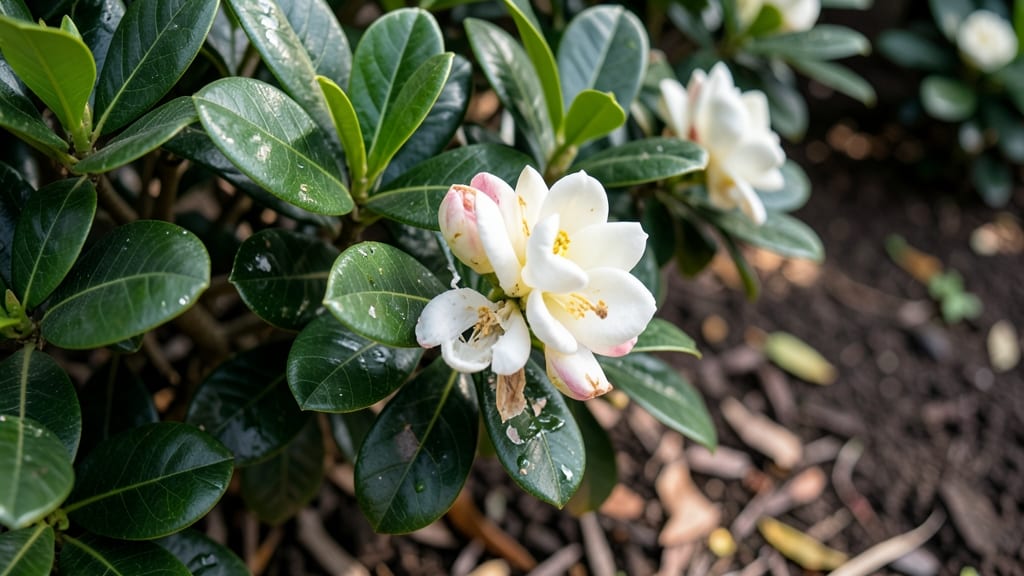
Deer do eat gardenia bushes, especially targeting the fragrant flowers and tender new shoots. Their sweet scent and soft foliage make these plants irresistible during spring and summer when growth is most active. Protecting them effectively requires a mix of physical barriers and natural deterrents.
Gardenias aren't just deer's favorite snack—they're practically an all-you-can-eat buffet during peak growing seasons. 🌿 The rich floral aroma acts like a dinner bell, while the high moisture content in young leaves makes them an easy, nutrient-rich meal.
I've seen deer completely strip gardenias down to bare branches in a single night, especially in areas where natural food sources are scarce.
The key to protection lies in understanding their behavior: deer prefer browsing at dawn and dusk, so timing your deterrents matters just as much as the method you choose.
Physical barriers like 6-foot tall fencing or individual plant guards work best when combined with motion-activated sprinklers, which startle deer without harming them. Natural repellents like rotten eggs or commercial deer sprays can help, but they need reapplication every few weeks—especially after rain.
The good news? Gardenias are resilient and will bounce back if you catch the damage early. Regular pruning to encourage thicker growth also makes them less appealing targets.
💡 In This Article
- Why Deer Are Drawn to Gardenia Bushes
- Effective Deer-Resistant Gardenia Protection Methods
Why deer are drawn to gardenia bushes
Gardenias emit a powerful, sweet fragrance that deer find irresistible—similar to how humans are drawn to ripe fruit or fresh-baked bread. 🌸 The scent comes from volatile organic compounds like linalool and geraniol, which are not only appealing but also signal to deer that the plant contains high moisture and nutrients.
New shoots and flowers are particularly rich in these compounds, making them the first targets when deer browse. In fact, studies show that deer prefer plants with strong aromas because these often correlate with tender, nutrient-dense foliage.
The tender, young growth of gardenias is another major attraction. Deer have a preference for plants with a high water content and soft texture, which requires less chewing effort. 🌱 Gardenias fit this profile perfectly, especially during spring and summer when new shoots emerge.
Unlike mature leaves, which are tougher and less palatable, these tender shoots provide an easy, energy-rich meal. This is why you'll often see deer focusing on the outer edges of gardenia bushes, where the newest growth appears first.
Seasonal patterns play a huge role in deer behavior.
During spring and summer, when gardenias are in full bloom and actively growing, deer are more likely to browse because their natural diet shifts toward fresh, green vegetation. 🌿 This is also when gardenias produce the most flowers, which deer find particularly appealing.
In contrast, during fall and winter, deer tend to focus more on woody plants or stored food sources, making gardenias less of a target. Understanding this seasonal rhythm helps explain why damage spikes during warmer months.
Comparing gardenias to other shrubs, you'll find they're more vulnerable than many alternatives.
For example, deer often avoid boxwoods or holly due to their tougher leaves and thorns, while gardenias offer little physical defense. 🌿 The lack of protective structures, combined with their appealing scent and texture, makes them a deer's dream snack.
Even deer-resistant plants like lavender or rosemary have strong aromas that deter deer, whereas gardenias' fragrance attracts them instead.
Another factor is the gardenia's high sugar content, especially in its flowers. Deer have a natural preference for sweet-tasting plants, which provide quick energy. 🍯 This is why you'll often see them targeting gardenias even when other plants are available.
The combination of scent, texture, and nutritional value creates a perfect storm of attractiveness for deer, making gardenias one of their favorite garden targets.
Finally, deer are creatures of habit. If they discover a gardenia bush in your yard, they'll likely return to it repeatedly, especially if it's easily accessible. 🦌 This is why early intervention—like installing barriers or repellents—is critical.
Once deer establish a pattern, they're less likely to be deterred by new obstacles, making prevention the best strategy.